
Last updated October 30, 2026
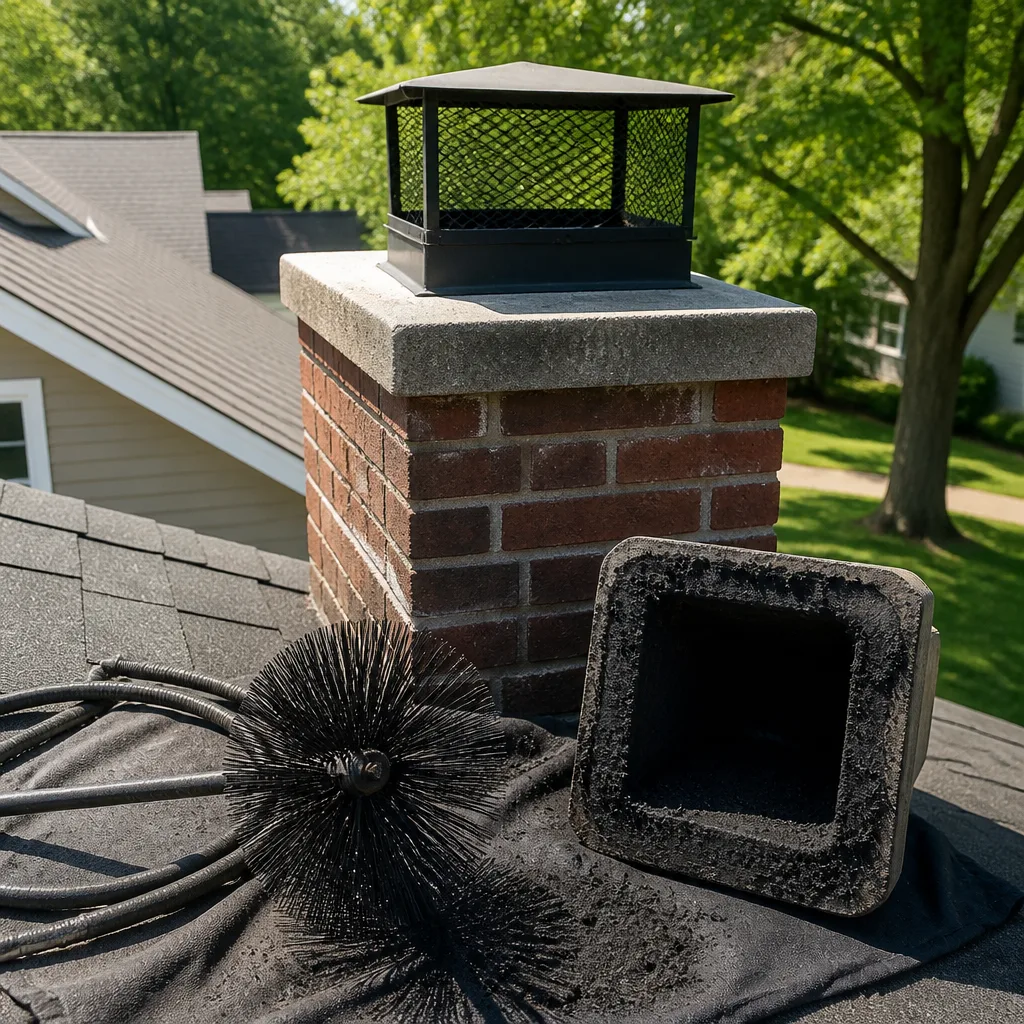 Sweep & inspection
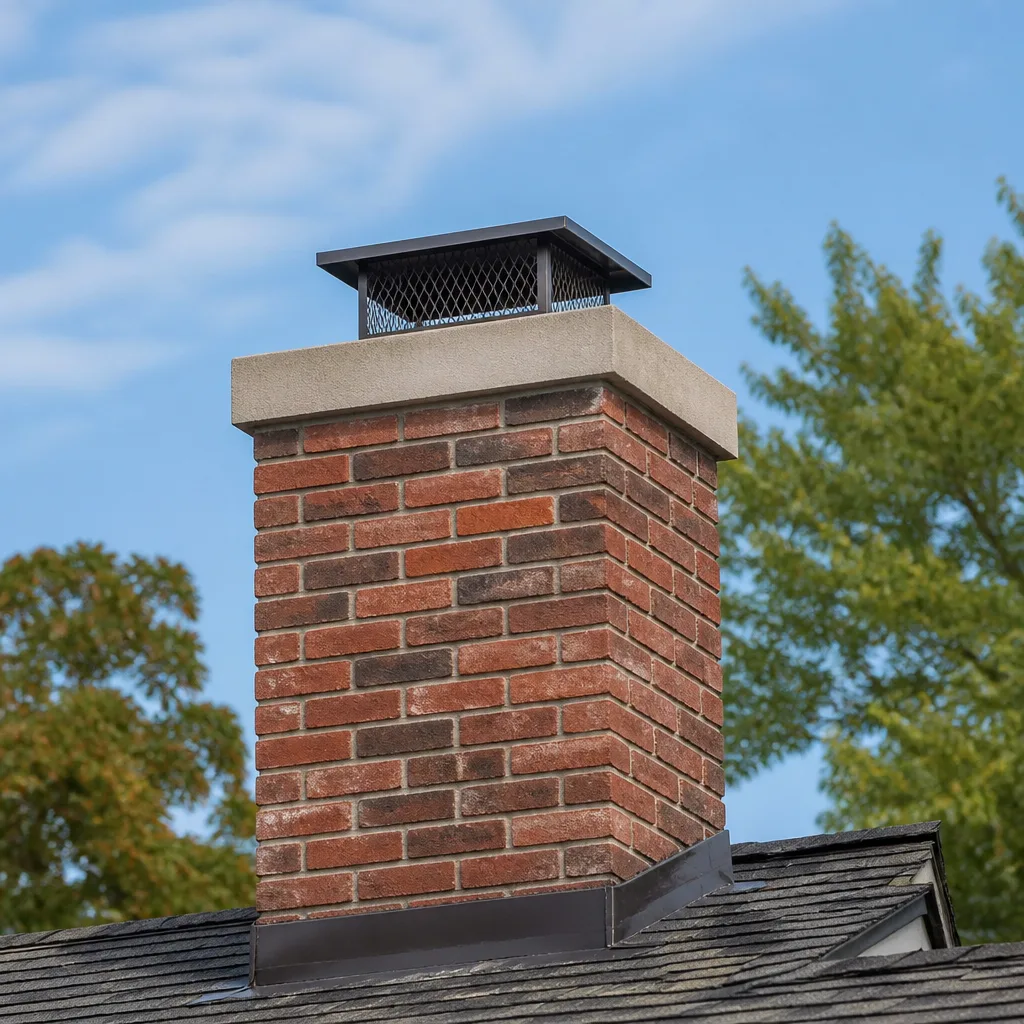 Caps & crowns
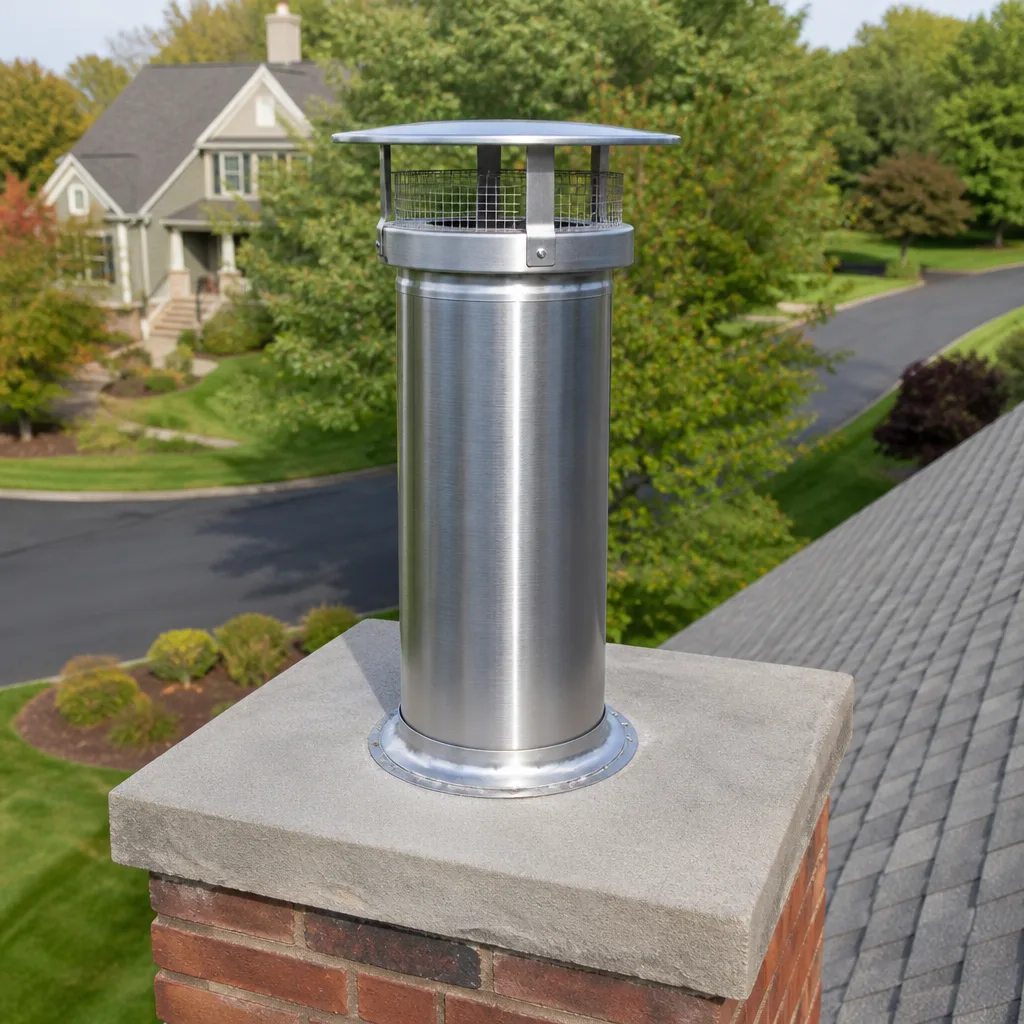 Flue relining
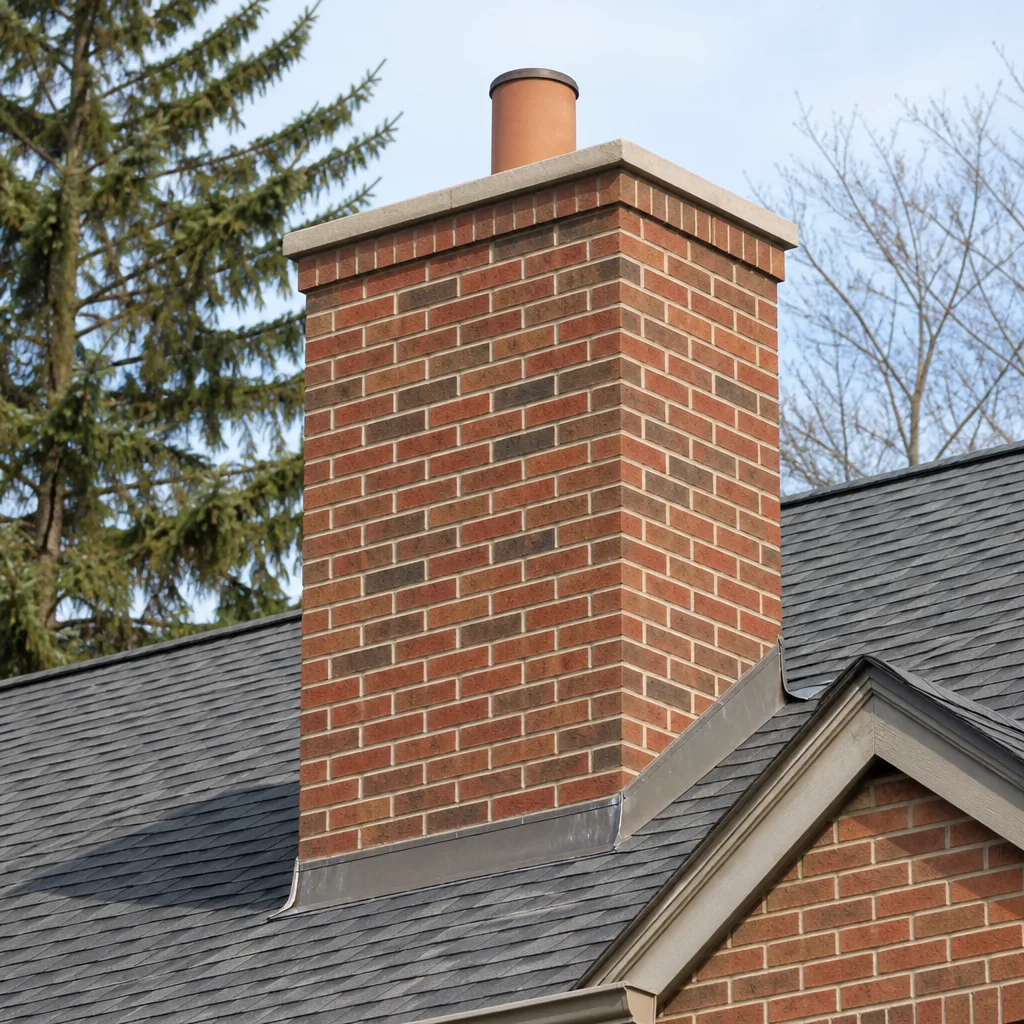 Masonry repair
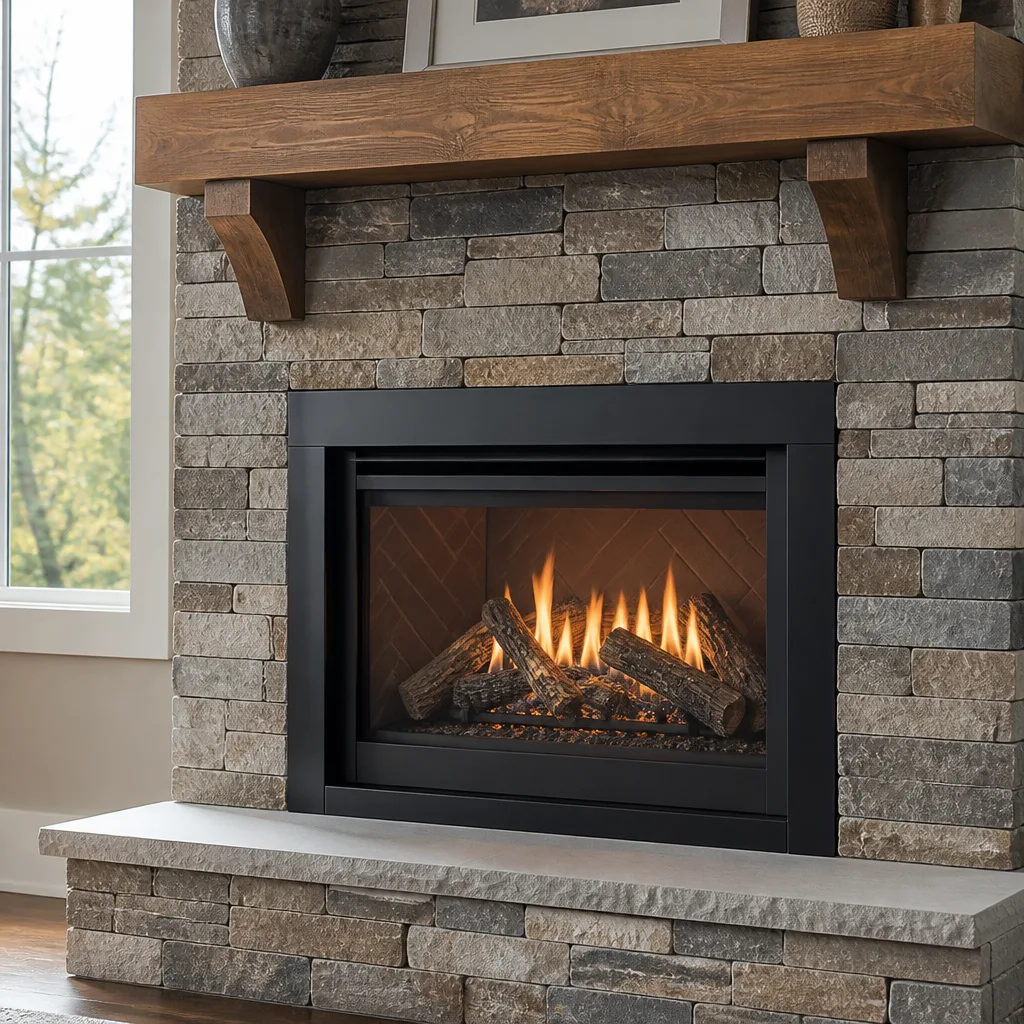 Gas fireplace service
Level 1 sweep and inspection to the NFPA 211 annual standard - flue, crown, cap, and flashing checked and photographed
Chimney sweep logs do not sweep chimneys. They loosen some creosote - which then falls where a brush and vacuum still have to collect it.
Seasonal Chimney Cleaning Care for Ontario: Year-Round Homeowner’s Guide
Most chimney care advice you’ll find online was written for New England, where homeowners burn wood five months a year and the off-season is a frozen, dormant stretch. Ontario’s climate doesn’t work that way. Here, the burning season might be eight weeks long, but the damaging conditions run year-round: summer heat that bakes chimney crowns until sealant cracks, Santa Ana winds that sandblast exposed masonry and drive debris into flues, and a wet winter season that forces moisture into every hairline fracture. This guide rebuilds the chimney maintenance calendar specifically for Ontario, CA, so you’ll know exactly what to check, when to check it, and what can safely wait.
Styles & brands we work with
- Sweep & inspection
- Caps & crowns
- Flue relining
- Masonry repair
- Gas fireplace service
Quick Answer
In Ontario, CA, the most important chimney maintenance happens in late summer and early fall, before the short winter burning season begins, because summer heat expansion cracks mortar and crown sealant while Santa Ana winds wedge debris into the flue. Schedule a professional inspection and sweep in September or October, burn only through the December – February window, then book any structural repairs in early spring when winter moisture damage is visible and creosote is at its thickest. A year-round approach means checking the chimney cap, crown, and exterior mortar at least twice a year, even if you barely use the fireplace.
Table of Contents
- Why Ontario’s Climate Breaks the Standard Chimney Calendar
- A Month-by-Month Chimney Care Plan for Ontario, CA
- What Summer Heat Does to Your Chimney (and Why It Matters)
- Preparing an Unused Chimney Before the First Fire of the Season
- Spring Tasks After the Burning Season: Clean, Inspect, Repair
- Santa Ana Winds, Debris, and Animal Intrusion in Ontario
- How Often Should a Chimney Be Swept in Ontario, CA?
- Common Mistakes to Avoid
- When to Call a Professional
- Frequently Asked Questions
- The Bottom Line
Why Ontario’s Climate Breaks the Standard Chimney Calendar
The traditional advice, “clean your chimney every fall before fireplace season,” assumes a climate where fall means crisp air, falling leaves, and a five-month stretch of regular burning. In Ontario, fall is often just an extension of summer, with October temperatures still reaching into the 90s. The actual burning season, when most Inland Empire homeowners light fires regularly, runs from about mid-December through late February. That’s eight to ten weeks of use, not five months.
Following the Northeast calendar creates a specific problem: your chimney gets inspected and swept in early fall, you burn for two months, and then the system sits unexamined for ten months. During that long off-season, the real damage occurs. Ontario’s summer temperatures routinely exceed 100°F, causing masonry to expand. When temperatures drop at night, sometimes by 30 degrees or more, the masonry contracts. This thermal cycling is relentless, and it’s exactly what cracks chimney crowns, separates mortar joints, and loosens flashing around the roofline.
Then there’s the Santa Ana season. From October through March, dry offshore winds gust through the Inland Empire at 40 to 70 miles per hour. These winds carry fine dust, tumbleweeds, leaves, and occasionally embers from brush fires. A chimney without a properly fitted cap collects this debris, which can block the flue, attract pests, or become a fire hazard when you finally light the first log. We’ve pulled birds’ nests, tennis balls, and thick layers of wind-driven dust from uncapped chimneys across Ontario.
The fix isn’t more frequent sweeping. It’s a calendar that matches how your chimney actually lives in Southern California: a pre-season safety check after the summer heat has done its work, responsible use during the short burning season, and a post-season assessment when winter moisture has exposed any structural weakness. If you’re looking for a comprehensive overview of what a sweep includes, our Chimney Sweep in Ontario page walks through the full process.
A Month-by-Month Chimney Care Plan for Ontario, CA
The calendar below is built for the Inland Empire’s actual weather patterns, not a generic national template. Here’s what we recommend for homeowners in Ontario, month by month:
January: Monitor During Peak Burning
This is the heart of Ontario’s burning season. If you use your fireplace regularly, watch for these signals each time you light a fire:
- Smoke entering the room instead of drafting up the flue
- A strong, sharp odor in the room, even when the fire is burning well
- Visible creosote buildup on the damper or firebox walls (dark, tar-like coating)
- Unusual popping or crackling sounds coming from the flue above the firebox
Any of these means the fire should be extinguished and the flue checked before you burn again. Creosote accumulation, the main chimney fire risk, builds fastest during cool, damp conditions when fires burn cooler and less completely.
February: Last Month of Regular Use
By late February, most Ontario homeowners are winding down their burning season. This is the time to note anything you observed during the winter: draft problems on windy days, moisture stains on the ceiling near the chimney chase, or unusual smells after rain. Make a list. You’ll use it in spring.
March: Post-Season Visual Check
Once you’ve stopped burning for the season, do a basic visual inspection from the ground. Look at the chimney crown, the visible mortar joints, and the flashing. Winter rains often reveal problems that weren’t apparent in the dry fall: efflorescence (white mineral deposits on brick), spalling (flaking or crumbling brick faces), or rust stains from the chimney cap.
April: Schedule the Post-Season Sweep
April and May are the ideal months to schedule a professional chimney sweep in Ontario. Creosote is at its thickest after the burning season, and removing it in spring means it won’t sit in your flue through the summer heat, where it can harden into a glassy, difficult-to-remove glaze. Spring is also when technicians are less booked than in the fall, so you’ll have more scheduling flexibility.
May – August: Off-Season Awareness
The summer months are when heat damage accumulates. You don’t need to do hands-on chimney work during this window, but there are two things worth noting:
- After any extended heat wave above 100°F, glance at the chimney crown and upper mortar. Fresh cracks in the crown sealant or hairline fractures in mortar joints will only widen when winter moisture arrives.
- Listen for animal activity. Squirrels, birds, and raccoons are active in Southern California chimney systems during the summer. Scratching sounds, chirping, or nesting material visible from the fireplace are all signs of intrusion.
September: Pre-Season Inspection and Cap Check
This is the most important month on the Ontario chimney calendar. Before the first Santa Ana event of the season, before the holiday burning begins, and before you’re in a rush to use the fireplace, have a professional assess the system. The inspection should cover the flue liner, the crown, the cap, the damper, and the firebox. Any repair found during this inspection can be completed in October, well before you want to light a fire.
October: Repair Month
October is the window for completing repairs identified in September. The weather is usually dry, temperatures have dropped enough for mortar and sealant to cure properly, and you’re still six to eight weeks away from regular use. This is also when Santa Ana season typically begins, so addressing cap and crown issues before the winds arrive prevents months of debris accumulation.
November – December: Final Prep and First Fire
By mid-November, your chimney should be clean, inspected, and repaired. The first fire of the season should be small, well-seasoned wood, lit on a day with normal atmospheric conditions. Avoid first fires during strong Santa Ana events, when pressure differentials can cause drafting problems even in a clean flue.
The key to this calendar is the shift in sequencing: sweep in the spring after burning ends, inspect in the early fall after summer heat exposure, and repair before the burning season begins. This is the opposite of the traditional “fall sweep, spring ignore” pattern, and it’s calibrated for how Ontario’s climate actually behaves.
What Summer Heat Does to Your Chimney (and Why It Matters)
When Ontario hits its summer peak, with weeks of 100°F-plus days and overnight lows that stay in the 70s, your chimney is undergoing constant thermal stress. Masonry expands as it heats. Different materials expand at different rates: brick, mortar, concrete crown, clay flue liner, stainless steel cap, metal flashing. Each material has its own coefficient of expansion, and at the joints where these materials meet, stress concentrates.
The most vulnerable point is the chimney crown, the concrete slab that caps the top of the masonry. Crowns are poured concrete or stone that sits directly exposed to the sun all day. In Ontario’s inland summer, crown surface temperatures can reach 140°F or higher on a 105°F day. When the crown expands and contracts daily for three consecutive months, the hairline cracks that were already present from winter moisture begin to widen. What starts as a crack too thin to notice becomes a channel for water intrusion by the following winter.
Mortar joints respond similarly. The National Parks Service has documented that thermal expansion and contraction is a primary driver of masonry deterioration in desert and semi-arid climates, which describes Ontario’s Inland Empire environment precisely. When mortar joints loosen, bricks shift microscopically, opening gaps that admit wind-driven rain during winter storms.
The other summer-specific factor in Ontario is UV degradation. The Inland Empire gets roughly 280 days of sunshine per year. UV radiation breaks down crown sealants and water-repellent coatings on masonry. A crown sealed five years ago may look intact from the ground, but its protective layer has been degrading steadily under sun exposure.
This is why the September pre-season inspection matters so much. It catches the summer’s damage before winter rain turns those hairline cracks into leak paths. A small crown sealant touch-up in October might cost a fraction of what a water-damaged flue liner or firebox repair costs the following spring. If your inspection finds flue damage, Chimney Repair in Ontario covers what’s involved in restoring a compromised system, from minor repointing to full relining with materials like DuraFlex stainless steel liners.
Preparing an Unused Chimney Before the First Fire of the Season
If you haven’t used your fireplace since February, here’s the sequence that gets it safely ready for the first burn:
- Open the damper and check for obstruction. Using a flashlight, look up the flue. You’re checking for visible debris, animal nesting material, or creosote accumulation. If you see anything other than clean flue walls, don’t light a fire until the flue has been professionally swept.
- Check the firebox for debris and signs of water intrusion. Look at the back wall and floor of the firebox. Moisture stains, efflorescence, or crumbled mortar indicate water has been entering the system. If you can see daylight around the damper frame or smell a strong musty odor from the fireplace, call a professional before using it.
- Verify the chimney cap is in place. From outside, visually confirm the cap is secure and the mesh screen isn’t torn. Ontario’s Santa Ana winds are hard on caps, and a cap that’s shifted or blown off entirely leaves the flue open to everything the wind carries.
- Test the draw before the first fire. On a day with normal weather, not during Santa Ana conditions, open the damper and light a small piece of newspaper in the firebox. The smoke should draw cleanly up the flue. If it lingers or pushes into the room, the flue needs attention before you burn anything larger.
- Start with a small, hot-burning fire. Use well-seasoned hardwood, split small. The first fire of the season should burn hot and clean for about 15 to 20 minutes, which helps burn off any light surface residue and confirms the draft is working correctly. Avoid a large, smoky first fire, which deposits creosote more quickly in a flue that hasn’t been heated in months.
One note specific to Ontario: if the first fire of your season coincides with the first Santa Ana event, defer it. Strong offshore winds create negative pressure inside homes, which can reverse the draft and pull smoke into the living space even in a properly functioning chimney. Wait for the winds to subside and the pressure differential to normalize.
Spring Tasks After the Burning Season: Clean, Inspect, Repair
Once you’ve stopped burning for the season, typically by late February or early March in Ontario, the spring window opens for the most important maintenance work of the year. Here’s why spring, not fall, is the right time for a sweep in our climate:
Creosote is at its thickest. The deposits from your eight to ten weeks of burning are sitting in the flue, and creosote becomes progressively more difficult to remove as it ages. Fresh creosote is soft and brushes away easily. Creosote that has sat through a hot Southern California summer can cure into a hard, glassy glaze that requires specialized rotary cleaning tools. Spring sweeping removes the deposit at its easiest stage.
Winter moisture damage is visible. Ontario’s winter rains, along with the occasional freeze at higher elevations in the Inland Empire foothills, force moisture into any crack in the crown, mortar, or flashing. That moisture causes spalling, staining, and loosening. In spring, before the heat of summer dries everything out and masks the evidence, the damage is obvious and the damage patterns are fresh.
Repairs can be done with time to spare. If your spring sweep finds a cracked flue liner, damaged crown, or deteriorated mortar, you have six months to plan and complete the repair without any pressure. Contrast that with discovering the same problem during a September inspection, when you have maybe eight weeks before you want to burn and every chimney company in the Inland Empire is booked solid.
Our spring recommendation for Ontario homeowners: between March and May, schedule a professional chimney sweep. The technician should note the condition of the flue liner, the firebox, the damper, the crown, and the cap. If you’re unsure whether a sweep is needed, see the section on sweeping frequency below.
Santa Ana Winds, Debris, and Animal Intrusion in Ontario
Santa Ana winds are the defining weather phenomenon of Southern California’s cooler months, and Ontario sits directly in their path. These winds blow from the northeast, descending from the high desert through the Cajon Pass and San Gorgonio Pass, which acts as a funnel that accelerates wind speeds through the Inland Empire. Gusts in Ontario regularly reach 50 to 60 miles per hour during strong Santa Ana events.
What does that mean for your chimney?
First, wind-driven debris. Santa Anas carry dust, leaves, small branches, and whatever else they can lift. A chimney without a proper cap, or with a cap whose mesh has torn or pulled away, collects this debris. The flue becomes a catch basin. Even a partially blocked flue reduces draft efficiency, and if enough material accumulates, it can create a dangerous situation when you light a fire and the combustion gases can’t escape properly.
Second, animal intrusion. Southern California’s mild climate means animals seek shelter in chimneys year-round, but the activity peaks in spring and summer, when nesting birds and squirrels are looking for protected cavities. A cap with intact mesh is the only reliable barrier. Missing or damaged caps allow birds to build nests in the flue, squirrels to chew through chase covers, and occasionally raccoons to take up residence. Once animals are in, removing them requires professional intervention, and the nesting material they leave behind is a serious fire hazard.
Third, wind-driven rain. Santa Ana events are dry, but winter storms in the Inland Empire can be intense and wind-driven. Rain that enters an uncapped or poorly capped flue saturates the masonry, accelerates mortar deterioration, and can pool in the smoke shelf or firebox, creating musty odors that persist for weeks.
The solution is a seasonal cap inspection. Check that the cap is present, securely attached, and that the mesh is intact with no gaps larger than about three-quarters of an inch. We use Gelco components for cap and damper applications because they’re specified by chimney professionals and hold up to the specific abuse that Southern California winds dish out. If your cap needs replacement, it’s a relatively quick fix that prevents a cascade of expensive problems.
How Often Should a Chimney Be Swept in Ontario, CA?
The industry standard from the Chimney Safety Institute of America (CSIA) is that chimneys should be swept when creosote reaches 1/8 inch of accumulation, regardless of time since the last sweep. For homeowners in Ontario who burn wood during the December – February season, that typically translates to an annual sweep, scheduled in the spring after the burning season ends.
But usage varies widely in the Inland Empire. Some Ontario homeowners light a fire on Christmas Eve and use the fireplace maybe a dozen times total. Others burn every evening from early December through February. Some have fireplaces that are purely decorative and never used. Here’s a practical breakdown for Ontario residents:
- Regular burners (30+ fires per season): annual sweep in the spring, plus a pre-season inspection in September.
- Occasional burners (10 to 30 fires per season): annual sweep in the spring is sufficient, but still do the September inspection to catch summer structural damage.
- Rare burners (under 10 fires per season): a sweep every two years is reasonable, but a professional inspection should still happen annually because of the off-season damage mechanisms described above.
- Never-used fireplaces (decorative only): no sweeping needed, but an annual cap and crown check prevents water damage and animal intrusion. A neglected chimney that’s never been used can still develop structural problems.
The February – March timing matters. A sweep right after the burning season removes creosote at its freshest, most easily removed stage, and positions the chimney clean for the entire summer off-season. A swept chimney is also less attractive to animals looking to nest, since there’s no accumulated debris to build on. Our Ontario Chimney home page has more context on what our sweeps include, and our technicians never leave you guessing about whether a sweep was actually needed: we show you what came out of your flue.
Common Mistakes to Avoid
- Scheduling the first inspection after the first fire. In Ontario, the summer heat has already done its work by the time you’re ready to burn. Waiting until after the first fire means you might be burning in a flue with cracked crown mortar or a damaged liner. Inspect before you burn, not after.
- Assuming a decorative fireplace needs no maintenance. Even if you never light a fire, your chimney is exposed to Ontario’s heat, Santa Ana winds, and winter rains. Cap, crown, and mortar issues develop regardless of use, and animals don’t check whether you burn before they nest. Annual exterior inspection is the minimum for unused fireplaces.
- Skipping the cap because “it’s just a metal cover.” In Santa Ana country, the cap is your first line of defense against debris, animals, and wind-driven rain. A missing or damaged cap is an open invitation for problems that cost far more than the cap replacement.
- Using the fireplace during Santa Ana events. Strong offshore winds can overwhelm a home’s internal pressure, reversing the draft and pulling smoke and combustion gases into the living space. If the wind is howling outside, skip the fire that evening.
- Burning unseasoned wood from the local big-box store. Green or wet wood burns cooler and produces more creosote per fire. Ontario’s short burning season means some homeowners never accumulate enough fires to think about wood seasoning, but every smoky, low-temp fire is laying down creosote in the flue. Use properly seasoned hardwood, and if you must buy from a store, look for kiln-dried labeling.
- Resealing a cracked crown with big-box caulk. Standard silicone or latex caulk breaks down under Ontario’s UV exposure and thermal cycling within a season or two. Crown repair materials need to be purpose-formulated for chimney applications, and the repair should seal the entire crown surface, not just the visible crack. What works for a bathroom window doesn’t work on top of a chimney.
- Treating the chimney sweep and structural inspection as the same thing. A sweep cleans the flue. An inspection assesses the condition of the liner, crown, cap, flashing, and firebox. Both are necessary, but they’re different tasks. A clean chimney with a cracked crown will still leak water. When you book a sweep, ask whether the technician is also assessing structural condition, not just brushing the flue.
When to Call a Professional
Some tasks you can handle from the ground: visual checks of the cap, watching for draft problems during your first fire, keeping a log of unusual smells or sounds. But these situations call for a professional, full stop:
- You see creosote accumulation on the damper or firebox walls, or you can’t see the flue walls clearly enough to assess them
- You hear animals in the chimney or see nesting material from the firebox
- Your last sweep was more than two years ago and you intend to burn this season
- You notice water stains on the ceiling near the chimney chase, or efflorescence on the exterior brick
- The chimney cap is missing, tilted, or has torn mesh
- Your fireplace smoked into the room during normal weather conditions
Ontario Chimney offers free estimates in Ontario, with technicians who handle the full scope from sweep to structural repair so you’re not coordinating between a cleaner and a contractor. Call (833) 467-7685 to book an assessment. We’ll tell you what we found, show you the evidence, and give you options.
Frequently Asked Questions
A standard chimney sweep in Ontario typically runs between $150 and $350 depending on the flue size, accessibility, and creosote condition. Fireplaces that haven’t been swept in several years or that show glazed creosote may cost more. Call (833) 467-7685 for an exact quote, and the estimate is free.
Not necessarily. A cracked clay tile liner is a genuine safety issue that must be addressed, but full tear-out and replacement isn’t the only solution. HeatShield ceramic resurfacing restores a compromised flue by applying a durable ceramic coating directly to the existing liner, sealing cracks and restoring structural integrity without the demolition and cost of a full reline. It’s a code-compliant option we use frequently in Ontario, and it often saves thousands of dollars compared to tear-out. Where relining is genuinely necessary, DuraFlex stainless steel liners are our standard because they navigate offset flues that rigid liners cannot. We’ll only recommend a liner solution after camera inspection shows what’s actually there, and we show you the footage.
Creosote accumulates in the flue, and in Ontario’s climate, it bakes through the hot summer into a hardened, glassy layer that’s significantly harder to remove than fresh creosote. The more creosote present, the higher the risk of a chimney fire, which burns hot enough to crack liners and ignite surrounding framing. Separately, years without inspection means whatever’s happening with your crown, cap, and flashing goes unnoticed until it manifests as a leak, an animal problem, or a draft failure. The annual inspection is the cheap insurance against problems that get more expensive with time.
Listen for scratching, rustling, or chirping sounds coming from the chimney, especially in the early morning or evening. Look for nesting material visible from the firebox or protruding from the top of the flue. A strong odor from the fireplace that isn’t smoke-related can also indicate an animal presence, whether a nest or an animal that didn’t make it out. In Southern California, squirrels, birds, and sometimes raccoons are the usual suspects. Ontario Chimney handles animal removal and exclusion as part of our chimney service, and we install caps that keep them out permanently.
Yes, with a caveat. The sweep itself might not be needed every year for light usage, but the annual inspection absolutely is. Ontario’s summer heat and Santa Ana winds work on your chimney whether you burn or not. The inspection catches structural issues early, the cap check prevents animal intrusion and debris, and the sweep ensures that when you do want a fire, the flue is clean. Light-use homeowners can often extend the interval between sweeps to two years, but the annual inspection should be non-negotiable.
You can buy a chimney brush at any big-box retailer, but DIY sweeping has real limitations and real risks. From the roof, you’re working at height on a ladder, and Southern California’s clay tile roofs are slippery and unforgiving. From the top down, you can’t see the condition of the flue liner, and you can’t tell whether your brushing actually removed the creosote or just knocked it loose to fall into the smoke shelf. From the bottom up, you’ll spread soot through your living room unless you set up proper containment. And in either direction, you miss the critical inspection component. A professional sweep includes assessment of the liner, crown, cap, and flashing, not just the brushing. For the cost of a sweep, you get evidence of what’s actually in your flue and what condition it’s in. That’s harder to put a price on than the brushing itself.
The Bottom Line
Ontario’s chimney care calendar is not the national one. Our burning season is short, our summer is brutal on masonry, and our Santa Ana winds are relentless on anything exposed. The chimney care rhythm that works here is: sweep in the spring after burning ends, inspect and repair in the early fall after summer heat exposure, burn safely through the short December – February season, and keep an eye on the cap year-round. That cycle catches the damage at its earliest stage, puts repairable problems in front of you with time and options, and keeps your chimney safe for the evenings when you actually want a fire. For homeowners across the Inland Empire who want that cycle handled by one company from inspection to repair, Ontario Chimney covers the full scope, including chimney sweeping, dryer vent cleaning, and chimney repair. Call (833) 467-7685 to schedule a free estimate and see what your flue actually looks like inside.
Written by the team at Ontario Chimney, serving Ontario since 2014.
See the difference
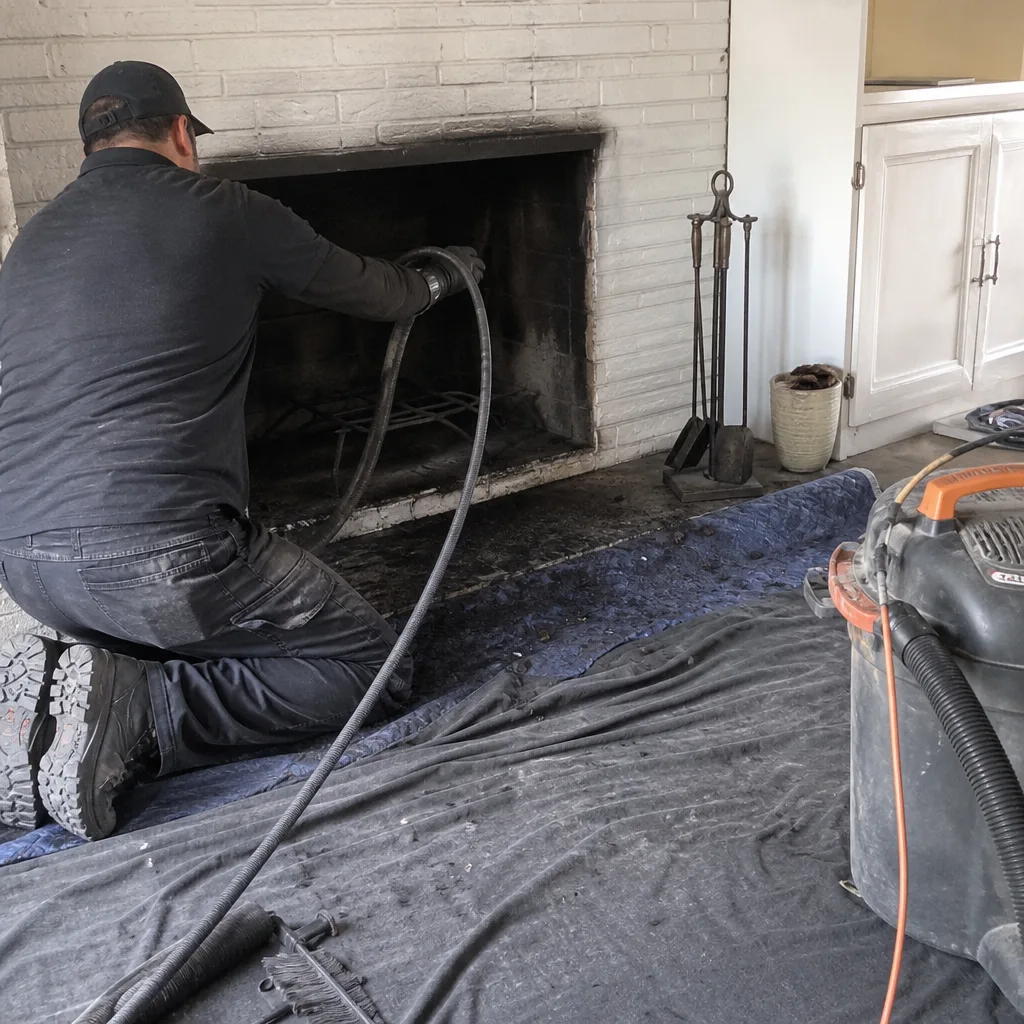 Before
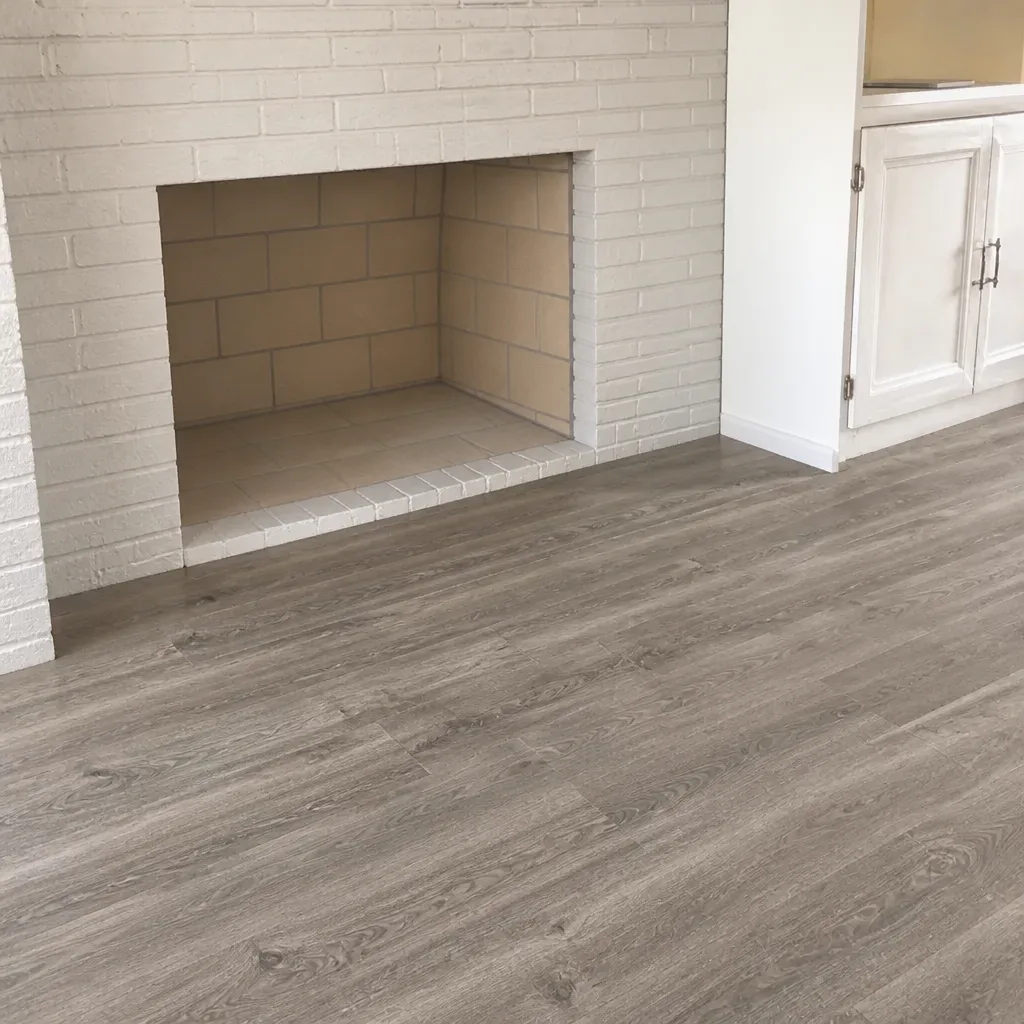 After
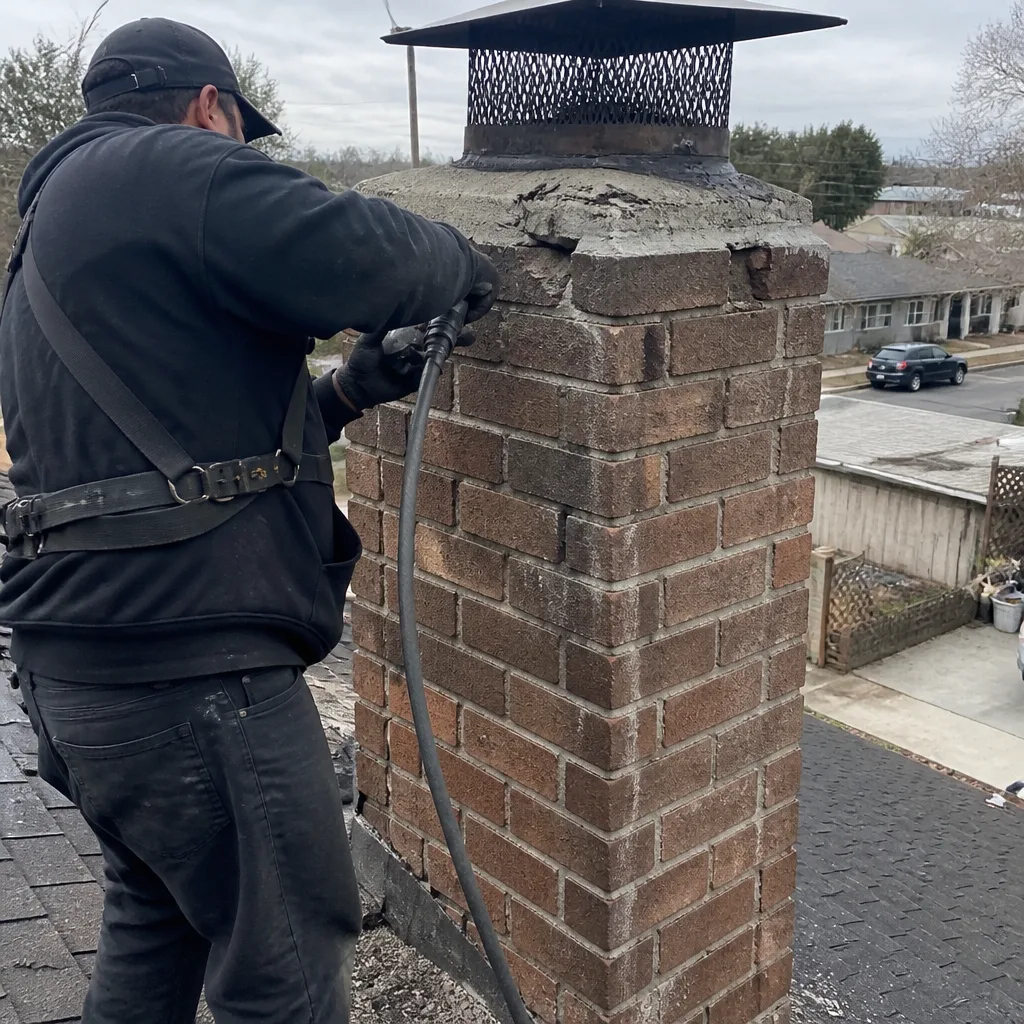 Before
 After
 Before
 After