
Last updated October 30, 2026
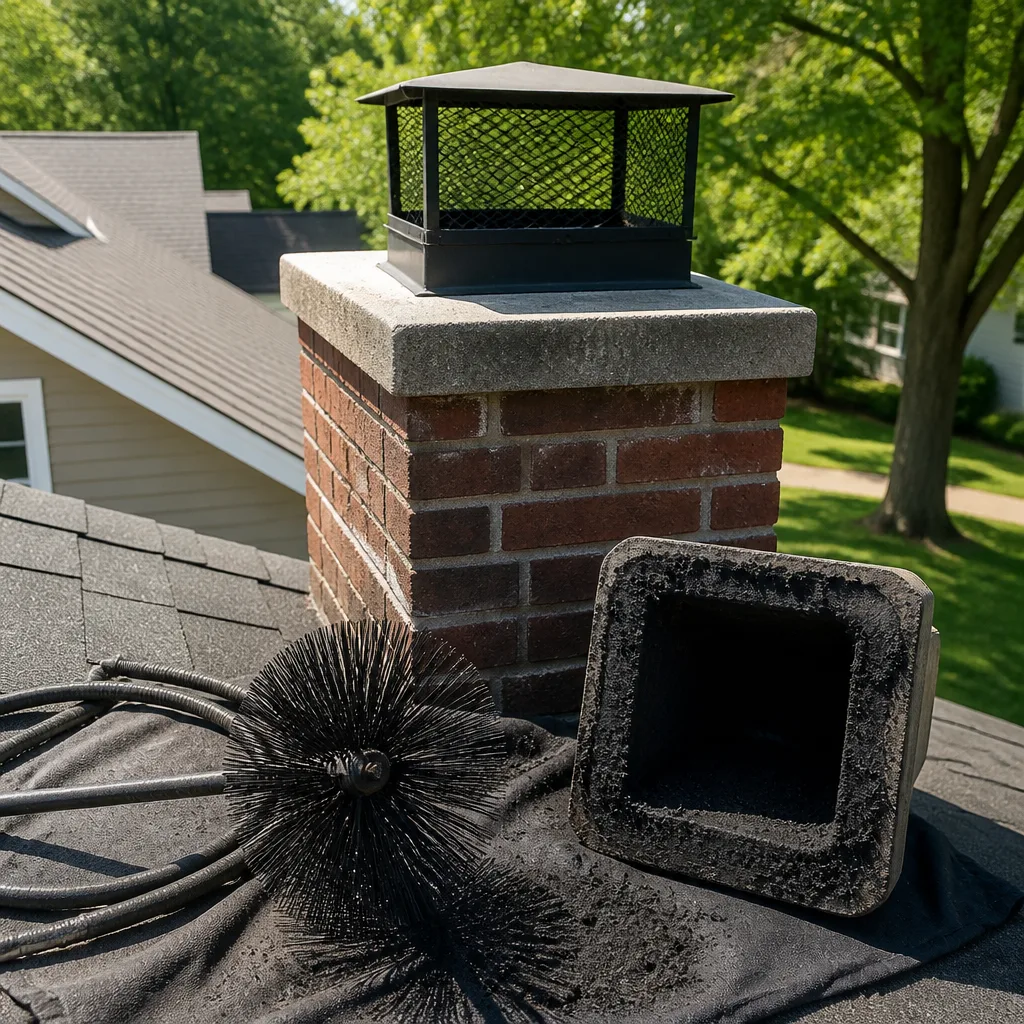 Sweep & inspection
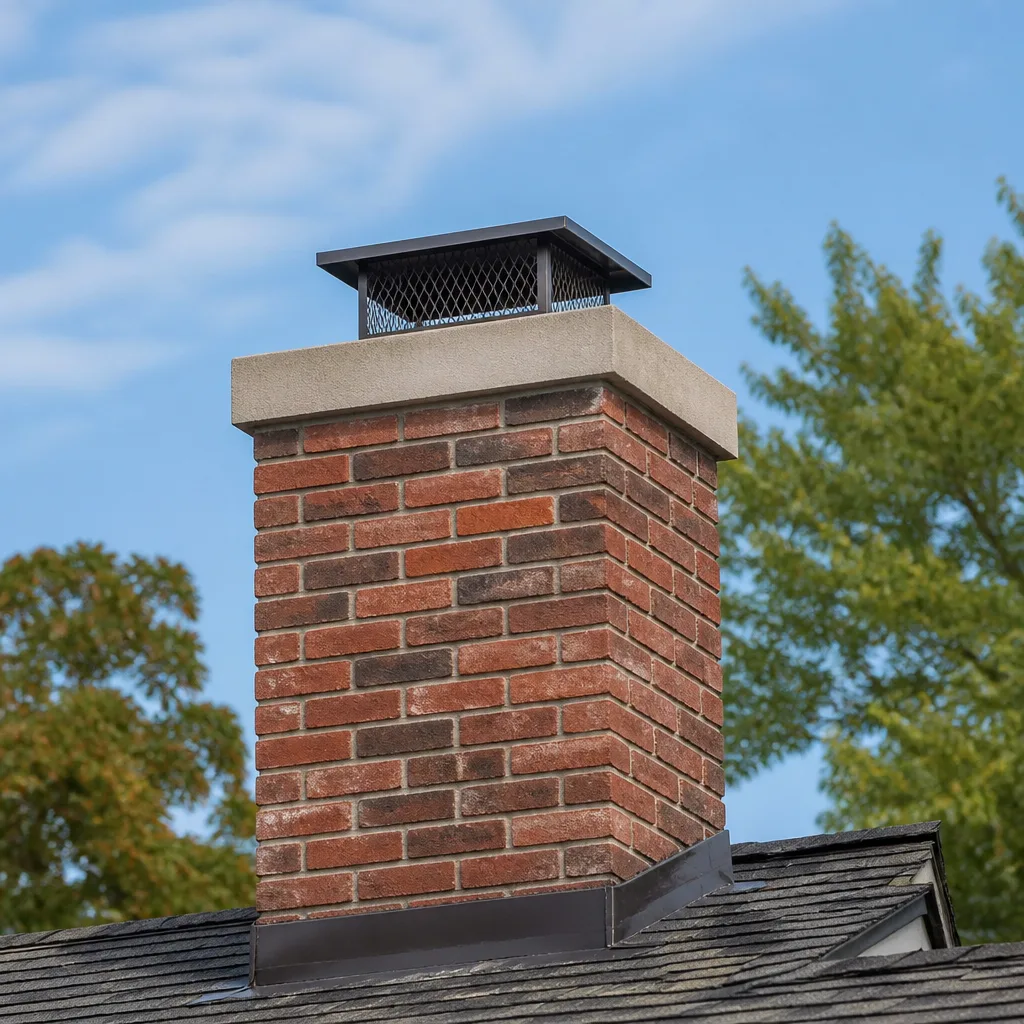 Caps & crowns
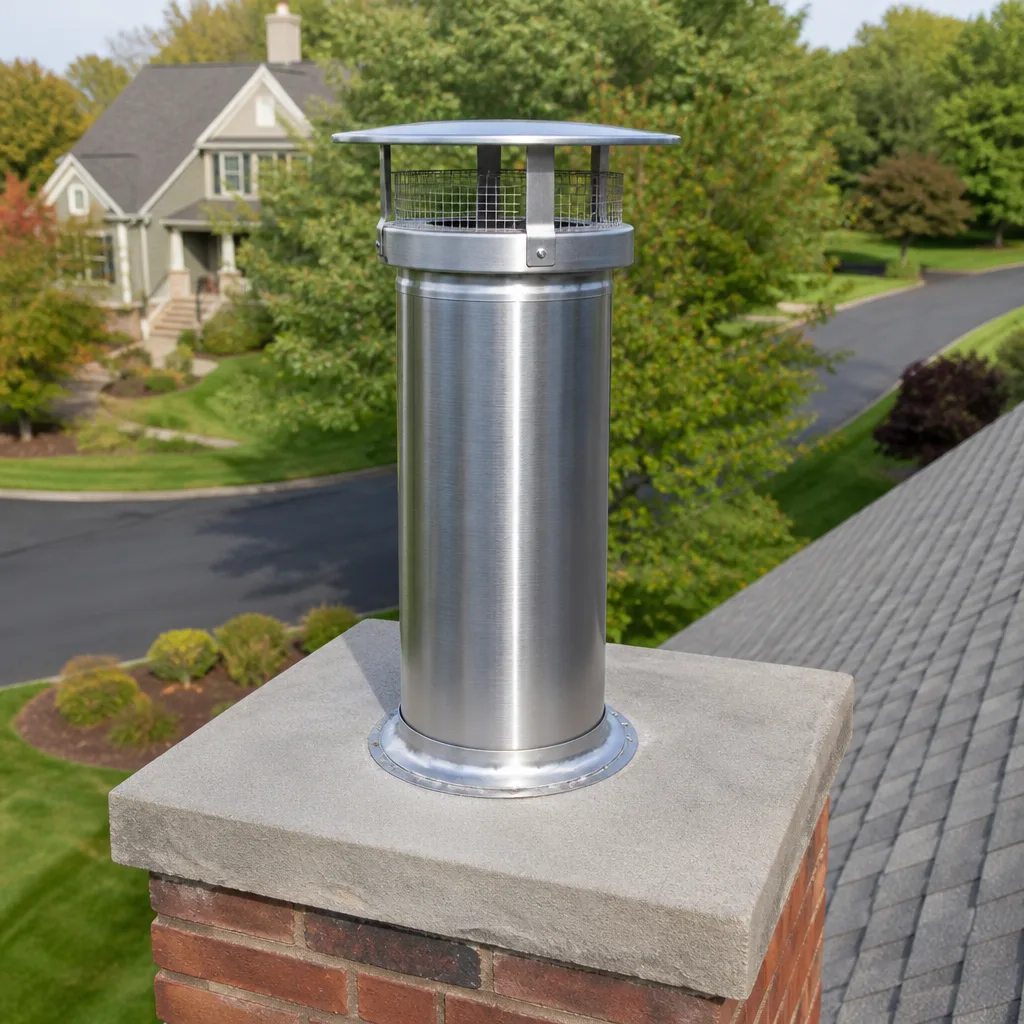 Flue relining
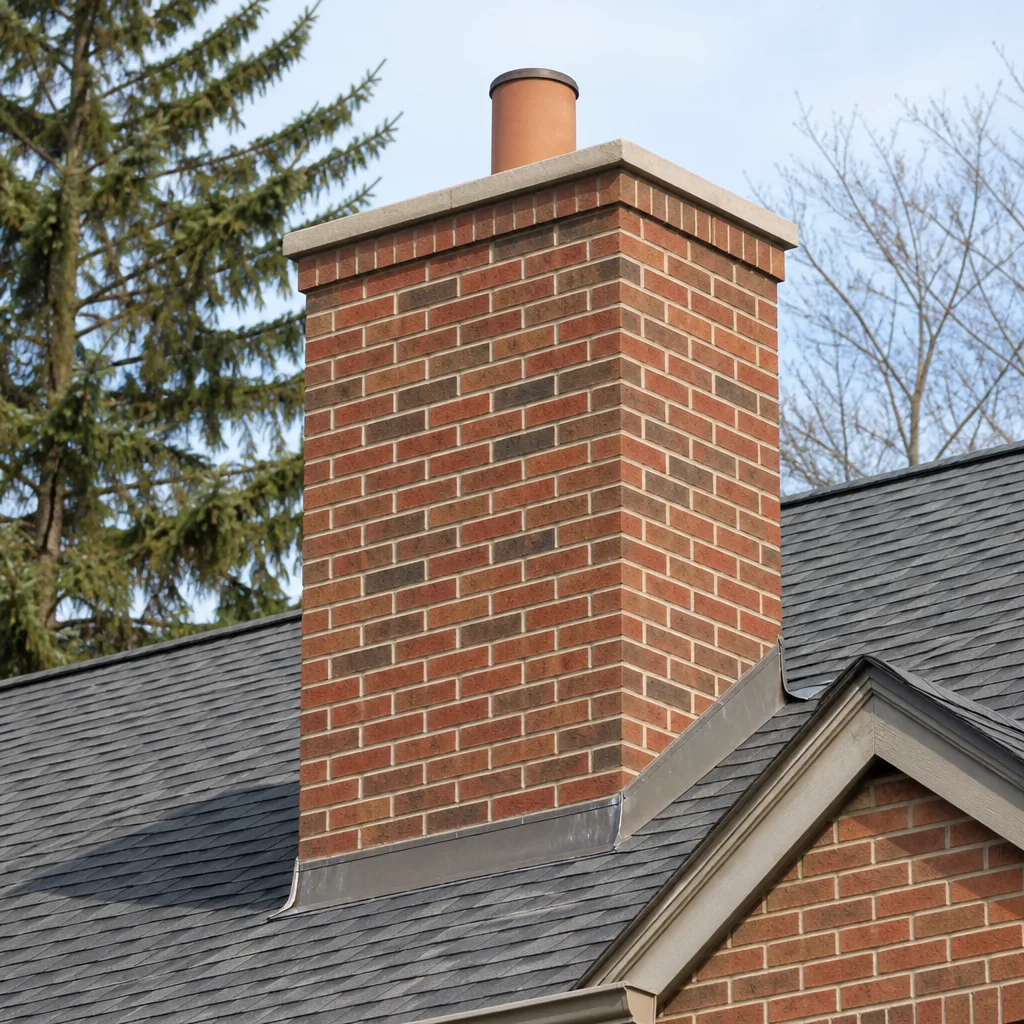 Masonry repair
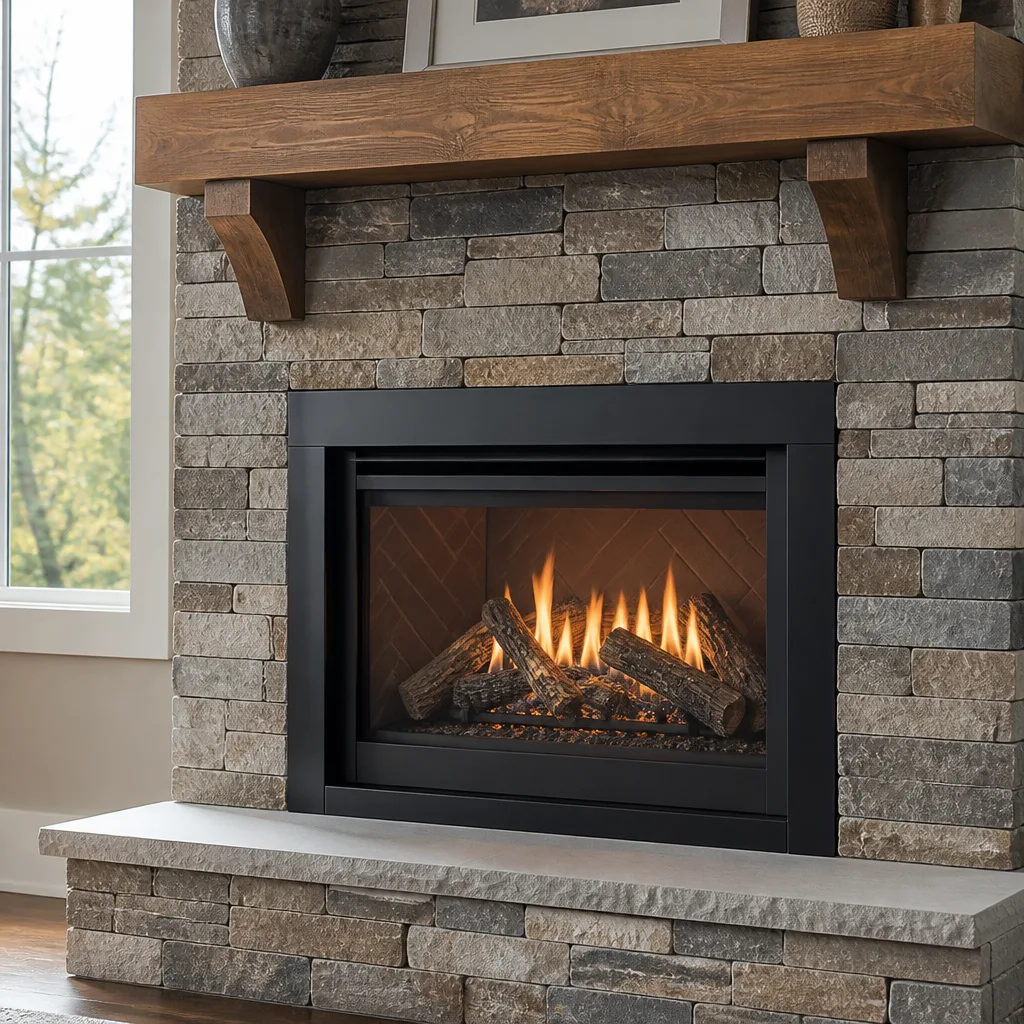 Gas fireplace service
Level 1 sweep and inspection to the NFPA 211 annual standard - flue, crown, cap, and flashing checked and photographed
Chimney sweep logs do not sweep chimneys. They loosen some creosote - which then falls where a brush and vacuum still have to collect it.
DIY vs Professional Chimney Cleaning: The Ontario Homeowner’s Decision Guide
According to NFPA data, the leading cause of chimney fires is simply a dirty flue – creosote buildup that ignites at around 451°F, a temperature a routine fire can easily reach. The question for Ontario homeowners isn’t whether the chimney needs cleaning. It’s whether you can see what you actually need to see once you’re done. This guide gives you a straight assessment of what DIY chimney work can and cannot accomplish, so your decision rests on facts rather than false confidence or unnecessary fear.
Styles & brands we work with
- Sweep & inspection
- Caps & crowns
- Flue relining
- Masonry repair
- Gas fireplace service
Quick Answer
You can absolutely clean the firebox and remove loose ash yourself with basic tools. What you cannot do without professional equipment is assess the condition of the flue liner behind the soot – hairline cracks, deteriorated mortar joints, or early-stage creosote glaze that will become a chimney fire. In Ontario, DIY chimney cleaning is appropriate as routine maintenance between professional inspections, never as a replacement for them.
Table of Contents
- What DIY Chimney Cleaning Actually Involves
- The Ontario Homeowner Capability Matrix
- What Professional Equipment Does That Consumer Tools Cannot
- Understanding Creosote: Why What You’re Cleaning Matters as Much as How
- When DIY Cleaning Is Genuinely Appropriate
- When DIY Creates a False Sense of Security
- The Liability and Insurance Implications of Self-Certification
- The Cost-Honest Comparison: DIY vs Professional
- Ontario-Specific Considerations: Climate, Construction, and Code
- Common Mistakes to Avoid
- When to Call a Professional
- Frequently Asked Questions
- The Bottom Line
What DIY Chimney Cleaning Actually Involves
The mechanics of sweeping a flue are straightforward. You buy a chimney brush set – typically wire or poly – with fiberglass rods that screw together, run the brush up and down the flue from either the firebox or the roof, and collect the dislodged debris. Homeowners in Ontario can find basic brush kits at hardware stores for $40 to $80, with heavier-duty kits running closer to $120.
But here’s what the YouTube tutorials rarely show: the actual assessment work that happens before and after the brushing.
A proper chimney cleaning starts with understanding what you’re dealing with. Is your flue lined with clay tile, stainless steel, or is it unlined masonry? Each material reacts differently to creosote adhesion. Clay tile develops spalling – flaking and cracking from heat cycling. Stainless steel liners resist creosote accumulation better but can still develop damage at seams. Unlined chimneys have no protective barrier at all between combustion gases and the masonry, which is why chimney sweep in Ontario work is about more than soot removal.
The brushing itself? That’s labor. The assessment? That’s where the danger hides.
The Ontario Homeowner Capability Matrix
What can a careful homeowner legitimately handle, and what genuinely requires a trained professional with specialized equipment? Here’s the distinction, broken down by task.
Appropriate for Careful DIY
- Firebox cleaning: Removing ash, clearing the grate, and wiping down the firebrick with a dry brush. This is basic maintenance, not chimney cleaning proper.
- Visual cap inspection from the ground: Using binoculars or a camera zoom to check whether the cap is present, attached, and free of visible debris. You can spot missing caps or obvious animal nesting material this way.
- Ash removal: Shoveling out cold ash into a metal container. Use a designated ash bucket with a tight-fitting lid, and wait at least 72 hours after your last fire before removal.
- Damper operation check: Opening and closing the damper to confirm it moves freely and seals adequately.
Requires Professional Equipment and Training
- Flue video inspection: Articulating camera systems can navigate offsets, spot hairline cracks in clay liners, and document what the eye can’t reach. Consumer borescopes lack the lighting, articulation, and durability for a full flue scan.
- Creosote stage assessment: Creosote exists in three distinct stages, and each requires different treatment. Stage 3 – the hard, glazed, tar-like deposits – cannot be removed by brushing alone and requires chemical treatment or rotary power sweeping.
- Liner integrity check: The liner is the most critical safety component in your chimney system. It contains combustion gases, prevents heat transfer to combustible materials, and protects the masonry from acidic condensate. A compromised liner turns a routine fire into a structure-fire risk.
- Structural inspection of the chimney crown and flashing: Water entry through a cracked crown or failed flashing causes freeze-thaw damage in Ontario’s winter temperatures, but the damage often starts invisibly.
What Professional Equipment Does That Consumer Tools Cannot
The difference between a $75 brush kit and professional chimney cleaning isn’t just the person holding the brush. It’s the equipment.
HEPA-Equipped Vacuums
A consumer shop vacuum – even one with a fine dust filter – cannot capture the submicron particulate matter that chimney sweeping releases. Creosote dust contains polycyclic aromatic hydrocarbons, many of which are carcinogenic. Professional chimney services in Ontario use HEPA filtration systems that trap 99.97% of particles down to 0.3 microns. This isn’t a preference. When a crew cleans a chimney in an occupied home, containment determines whether that home’s air quality degrades during the process.
Articulating Camera Systems
The camera is arguably more important than the brush. A professional-grade chimney camera system uses a flexible, articulating probe that can navigate offsets, pass through dampers, and deliver a clear view of every inch of the flue. What these cameras reveal changes decisions. A hairline crack between clay tiles. A separated mortar joint. A bird nest lodged 15 feet up. In our experience, roughly two in ten chimneys we inspect in Ontario show some form of liner compromise or structural concern that wasn’t visible from the rooftop.
Rotary Power Sweeping
For Stage 3 creosote – the shiny, glass-like deposits that no wire brush will dislodge – rotary power sweeping uses chains or whips attached to a drill that spins at high speed, chipping the creosote off the flue walls. This is not a tool available at the hardware store, and attempting to duplicate its effect with consumer tools is both futile and potentially dangerous. Improper aggressive scraping can damage clay tile liners, creating the very failure point you’re trying to prevent.
Understanding Creosote: Why What You’re Cleaning Matters as Much as How
Creosote is the condensation of unburned wood gases that cools and solidifies against the flue wall. It comes in three distinct stages, and identifying which stage you have in your Ontario fireplace determines everything about the cleaning approach.
Stage 1: Flaky Dust
This is the earliest accumulation – a fine, powdery, dark residue that brushes off easily. A simple wire brush cleaning can manage Stage 1 creosote effectively. Homes that burn well-seasoned hardwoods and maintain a hot fire will produce mostly Stage 1.
Stage 2: Porous Crunchy Flakes
By this point, creosote has condensed into flaky, brittle deposits with a texture like burnt toast. Stage 2 builds up in layers and is more difficult to remove with hand brushing. It also ignites more easily than Stage 1 because the porous structure creates more surface area for combustion.
Stage 3: Glazed Tar
This is the dangerous stage. Stage 3 creosote forms when flue temperatures stay chronically low – think smoldering fires, unseasoned wood, restricted air supply. The creosote condenses into a thick, shiny, tar-like coating that adheres tenaciously to the flue wall. Stage 3 can burn at temperatures exceeding 2,000°F. It cannot be brushed off. Professional treatment involves rotary power sweeping, chemical treatments, or both.
Here’s the key point for the DIY question: an untrained homeowner cannot reliably identify which stage of creosote they’re dealing with, especially in the upper third of the flue where deposits concentrate and visibility is worst. You can brush a Stage 2 flue and make visible progress while leaving Stage 3 deposits in place behind a soffit or offset. Then you light a fire with false confidence.
When DIY Cleaning Is Genuinely Appropriate
We’re not here to tell you that every chimney task requires a professional. That’s not true, and it’s not honest. Here are the scenarios where DIY chimney maintenance makes legitimate sense for an Ontario homeowner.
- You have a known-good system with a recent professional inspection: If you had a full video inspection within the past two years and the liner showed no defects, and you burned only seasoned hardwood, and you’re diligent about burning hot fires rather than smoldering ones, then an occasional DIY firebox cleaning plus visual cap check is reasonable mid-season maintenance.
- You’re maintaining an outdoor fire pit: Fire pits have no flue, no liner, no enclosed combustion chamber. Cleaning one is a basic ash-removal task with zero structural risk.
- You need to remove surface ash between professional visits: Ash removal is not chimney cleaning. But doing it regularly – waiting until everything is cold, using a metal bucket, wearing an N95 mask – keeps the firebox clean and reduces the crud that eventually finds its way up the flue.
In these situations, DIY saves you the cost of a service call and keeps you familiar with your system. That’s real value.
When DIY Creates a False Sense of Security
Now the other side. These are the scenarios where DIY cleaning is not just ineffective but actively dangerous because it creates the illusion that you’ve addressed a safety issue when you haven’t.
- You just bought the home and have no inspection history: A new-to-you house in Ontario may have years of deferred maintenance. The previous owners may have burned pine, used a Smokey Joe for a primary heat source, or never had the flue inspected. Buying the brush kit before the camera inspection is backwards.
- You smell something that wasn’t there before: A new odor during or after a fire – especially something acrid or chemical – is not going to be fixed by brushing. It could indicate creosote accumulation in a hidden area, an animal nest decomposing, or water entry leaching through the masonry.
- You see white staining on the exterior masonry: Efflorescence – white, chalky mineral deposits on the chimney brick – means water is moving through your masonry. That’s a structural repair issue, not a cleaning issue.
- Your chimney has an offset – and most Ontario two-story homes do: A flue that jogs to the side to accommodate a roofline or floor joist creates a blind spot. Consumer brush kits with fiberglass rods cannot reliably negotiate a tight offset, which means the creosote above that bend never gets cleaned. Meanwhile, you’ve created a clear path for air below it and the deposits above continue to build.
- You’ve had a chimney fire, even a small one: After any internal flue fire, the liner must be inspected by camera before the next fire. The thermal shock of a chimney fire can crack clay tiles instantly. Brushing a cracked liner does nothing but spread soot around the damage.
The Liability and Insurance Implications of Self-Certification
Here’s where the DIY calculation gets complicated: the difference between cleaning and certifying.
When a professional chimney service in Ontario cleans and inspects your chimney, you receive documentation. That report says what was found, what was done, and – critically – whether the system is safe to use. If a fire occurs after a professional cleaning, the homeowner can produce a record showing diligence. Some insurance companies offer premium reductions for documented annual inspections.
When you clean your own chimney, you have no documentation. You have no third-party record that the liner was assessed. If a chimney fire occurs, your insurance adjuster will ask questions. The phrase “I cleaned it myself and it looked fine” carries significantly less weight than “here’s the video inspection report from a certified chimney service dated March 2025.”
This doesn’t mean insurance companies require professional cleaning – most don’t. But it does mean the burden of proof shifts entirely to you after a fire. The small saving on a professional cleaning pales next to an uninsured or underinsured chimney-fire claim, especially when the cause is determined to be a condition that a camera inspection would have caught.
The Cost-Honest Comparison: DIY vs Professional
Let’s be straight about the numbers, because this is the part most guides fudge.
DIY Startup Costs
- Basic wire brush kit with fiberglass rods: $40 to $80
- Upgraded poly brush with more rods for two-story flues: $90 to $150
- HEPA-rated dust mask: $30 to $60
- Drop cloths, gloves, and tarp: $20 to $40
- Ladder if you don’t already own one: $150 to $400
All told, a legitimate DIY setup runs $130 to $730 before you even start. And here’s the thing: the brush kit doesn’t assess anything. It just cleans.
Professional Cleaning Costs in Ontario
- Basic sweep and visual inspection: $160 to $280
- Sweep with video inspection: $250 to $380
- Full inspection with written report: $300 to $450
When does DIY save real money? When you have a known-good system, you burned properly seasoned wood, and you maintain it regularly. In that scenario, you might go two or three years between professional visits and handle basic firebox cleaning yourself. That’s genuine savings.
When does DIY cost more? When deferred professional assessment misses a Stage 2 creosote accumulation that becomes Stage 3. Or a hairline liner crack that becomes a flue-tile collapse. Or moisture damage that becomes a $4,000 crown rebuild. In those scenarios, the $250 you saved turns into a five-figure repair.
Ontario-Specific Considerations: Climate, Construction, and Code
Ontario’s climate and housing stock create specific conditions that shape the DIY-vs-professional decision.
Freeze-Thaw Cycles
Ontario experiences temperatures that swing across the freezing point repeatedly through late fall and early spring. Each cycle causes masonry to expand and contract. Over a decade, this puts real stress on chimney crowns, mortar joints, and – critically – clay tile liners. A liner that looks fine in the summer may have a new hairline crack by January. This is why video inspection matters more in Ontario than in more temperate climates.
Housing Stock Age
Many Ontario homes date from the 1980s and 1990s, with a significant number built before 1970. Older chimneys were often built with clay tile liners and may not meet current code for clearance to combustibles. Some were constructed without a liner at all. A home built before 1980 needs professional assessment before any fire is lit – regardless of how clean the flue looks from the top.
Wood-Burning Frequency
Ontario winters produce genuinely cold nights, which means fireplaces in this region see real use from November through March. That’s four to five months of heat cycling, creosote accumulation, and liner stress. A chimney that’s borderline clean in October is genuinely dirty by February. Homes that we see in Ontario with a single fireplace used regularly through winter typically need professional attention more than once per season.
Code Requirements
Local building code in Ontario requires that chimneys be maintained in accordance with the manufacturer’s specifications and that repairs be completed to code. When you’re doing routine maintenance on a known-good system, code compliance is mostly a matter of not making things worse. But when you discover damage – a cracked tile, a failed cap, a damaged crown – you’re now in repair territory, and chimney repair in Ontario is not a DIY project under any reasonable reading of the rules.
Common Mistakes to Avoid
- Cleaning from the top without a partner on the ground: Roof work on a chimney is inherently dangerous. A fall from a second-story roof is a life-altering injury. If you’re going to clean from the top, have someone holding the ladder and a fall-arrest system if you’re on a steep pitch.
- Brushing a flue with no idea what’s in it: If an animal nest is lodged in the flue – common in Ontario raccoon country – brushing will just compact it further and create a plug. Camera first, brush second.
- Using the wrong brush for your liner type: Wire brushes can scar stainless steel liners. Poly brushes are required for metal liners, and you need to know what yours is made of before you start.
- Believing creosote logs replace cleaning: Creosote-sweeping logs can help reduce Stage 1 accumulation when used as directed. They do not remove deposits. They do not clean a flue. They are a supplement, not a substitute.
- Starting a fire in an inherited chimney without any professional assessment: This remains the single most common mistake we see in Ontario. New homeowners treat the fireplace as a feature rather than a combustion system. It’s both.
- Ignoring the dryer vent because it’s “not a chimney”: It’s a venting system with the same safety profile context as a chimney – heat, lint accumulation, and ignition risk. The NFPA identifies dryer vents as a leading cause of house fires annually. Ontario Chimney handles dryer vent cleaning in Ontario as a standalone fire-safety service because the mechanism is the same: buildup, restriction, ignition.
- Renting a camera and thinking you’ve done an inspection: A consumer-grade borescope from the big-box store cannot show you what a professional articulated camera sees. The lighting, resolution, and articulation don’t compare. More importantly, even with a good image, you need the experience to know what a Stage 2 glazed layer looks like versus normal soot staining.
When to Call a Professional
You should call for a professional chimney cleaning in Ontario if any of these apply: you’ve never had a video inspection done; the home is new to you; you smell something unusual during or after fires; you see white staining on exterior brick; you’ve used the fireplace through a full season without cleaning; you burn mixed or unseasoned wood; or you had a chimney fire, however small. If any one of those is true, the professional service is not a luxury – it’s the correct next step. Ontario Chimney offers free estimates in Ontario. Call (833) 467-7685 and we’ll tell you what we found, show you the evidence, and give you options.
Frequently Asked Questions
How much does a professional chimney cleaning cost in Ontario?
A professional chimney sweep and inspection in Ontario typically costs between $160 and $380, depending on whether a video inspection is included. Prices rise when the system has multiple flues, significant creosote buildup, or accessibility challenges. Call (833) 467-7685 for an exact quote – estimates are free.
How often should a chimney be swept in Ontario?
The general guideline is once per year, before the burning season, with additional cleanings if you burn unseasoned wood or use the fireplace heavily through Ontario winters. A chimney that sees fires four or more nights per week from November through March may need a mid-season assessment as well. A professional inspection will tell you where your usage pattern lands.
Can I clean my own chimney in Ontario without any special training?
You can remove ash and clean the firebox safely with basic tools. Whether you can clean the flue yourself depends on what’s in it and what liner you have. The brushing itself is learnable. The assessment – determining whether the liner is sound and identifying the creosote stage – requires training and camera equipment most homeowners do not have.
What actually happens if I skip chimney cleaning?
Creosote accumulates, becomes more dense, and eventually reaches ignition temperature. A chimney fire can burn at 2,000°F, crack the liner, ignite surrounding framing, and spread into the house. Less dramatic outcomes include diminished draft (smoke backing up into the room), water damage from cracked masonry, and carbon monoxide buildup if the flue becomes restricted.
Do I really need a chimney liner replacement, or can it be repaired?
Not every damaged liner needs full replacement. HeatShield ceramic resurfacing – which we apply as a certified applicator – can restore a damaged clay tile liner to a structurally sound, code-compliant condition without a full tear-out. The determining question is how much of the original liner remains intact and whether the surrounding masonry is sound. A camera inspection provides the evidence either way.
Does Ontario Chimney use professional-grade materials from brands I can trust?
Yes. We install and service DuraFlex stainless steel liner systems, apply HeatShield ceramic resurfacing, and source components like caps and dampers from Copperfield, Olympia Chimney, Famco, and Gelco – the same brands specified by certified chimney professionals, not hardware-store substitutes. When a repair calls for a liner, we offer an honest recommendation based on camera evidence, not a sales script.
The Bottom Line
The DIY chimney cleaning question for Ontario homeowners resolves to this: it’s not about the brushing. It’s about the assessment. A competent person with a brush kit can remove loose soot and light Stage 1 creosote from a known-good flue. What that person cannot do is look inside a clay tile liner and see the hairline crack that’s venting combustion gases into the wall cavity. The practical approach is a division of labor: handle basic firebox maintenance yourself, but let a professional with a camera tell you what’s actually happening above the damper. That one distinction – between what you can see and what the camera reveals – determines whether DIY is appropriate maintenance or a deferred bill. For an honest, evidence-based look at your chimney in Ontario, Ontario Chimney home has you covered from first inspection to final repair. Call (833) 467-7685 for a free estimate.
Written by the team at Ontario Chimney, serving Ontario since 2014. For more guides & resources, visit our blog.
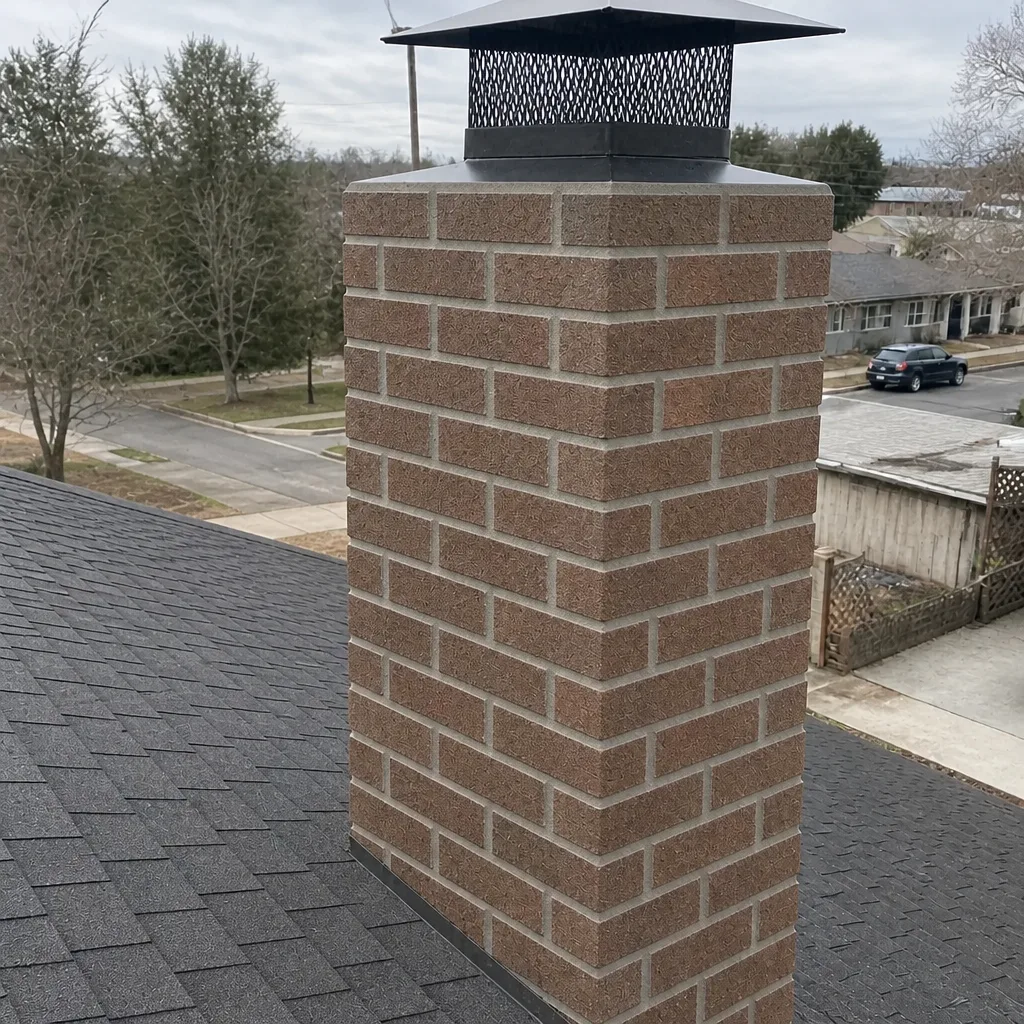
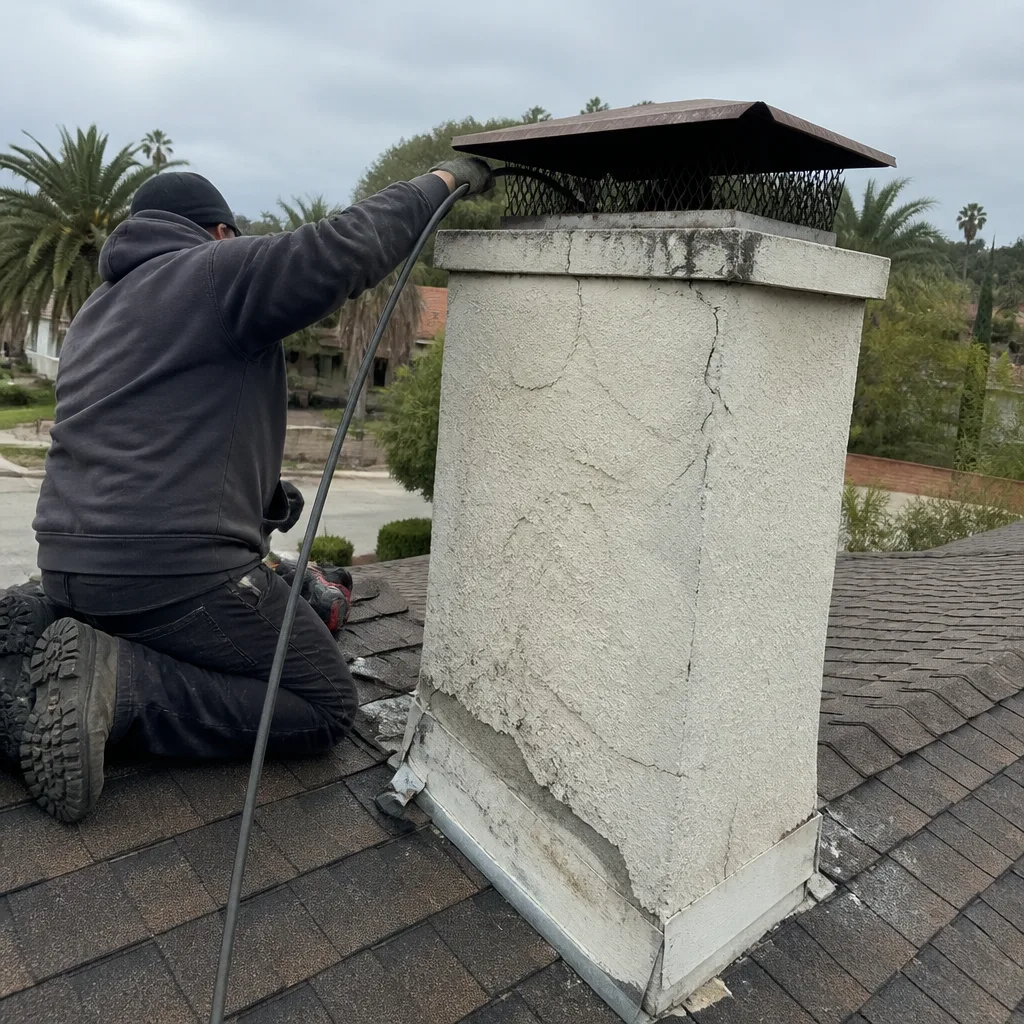
See the difference
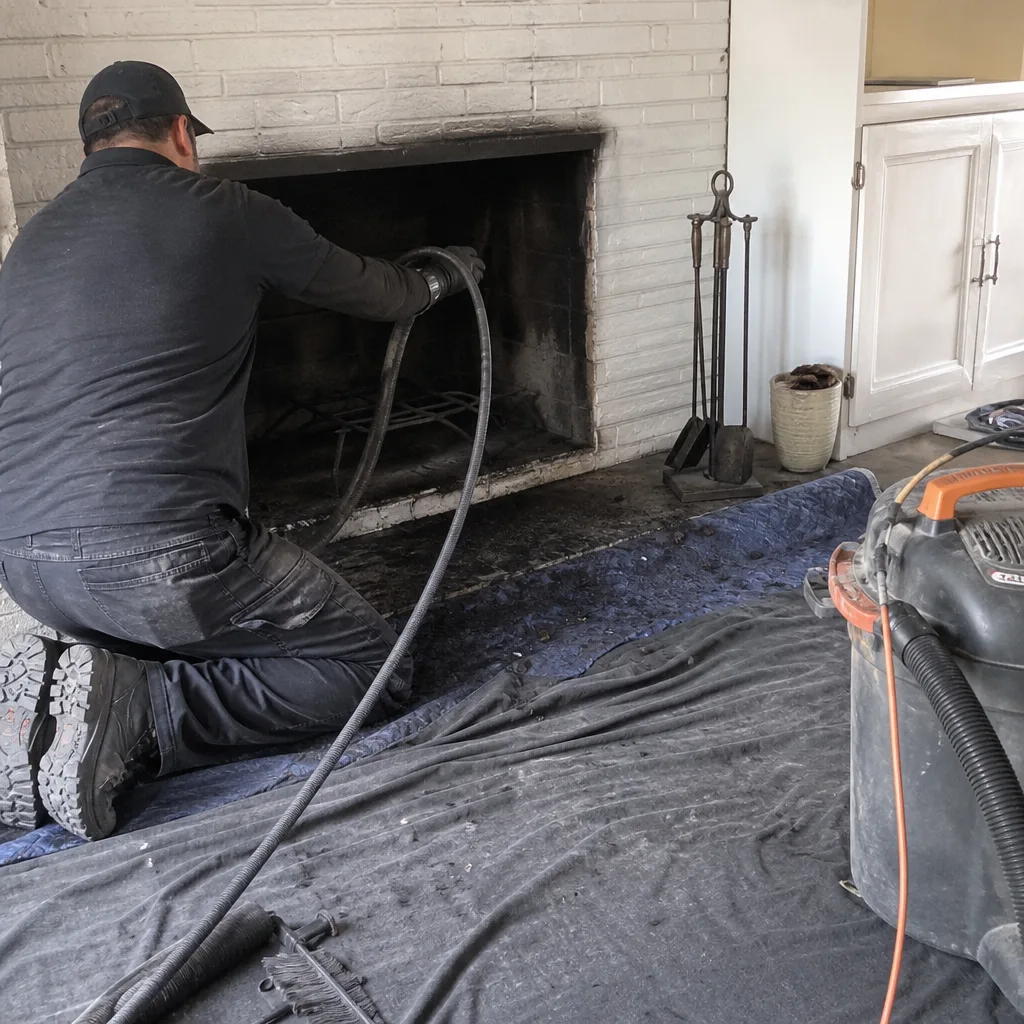 Before
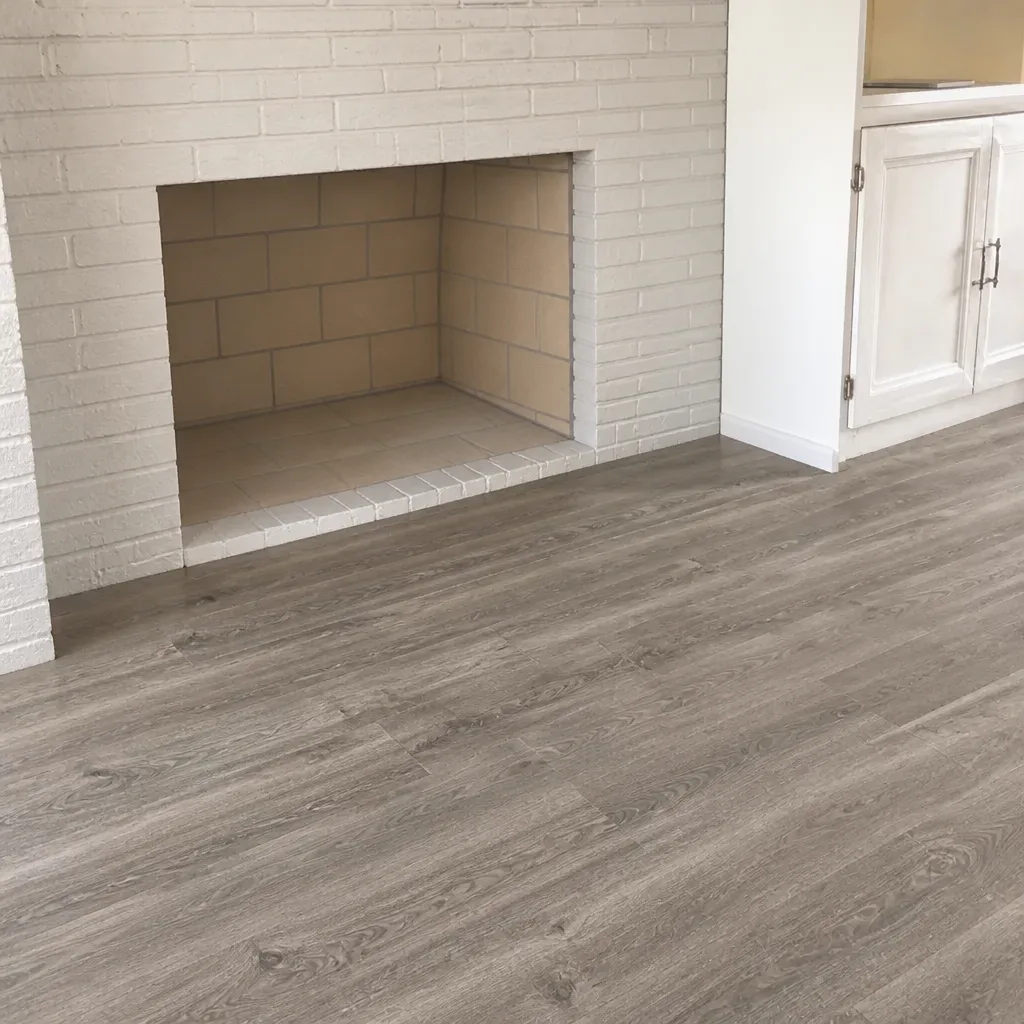 After
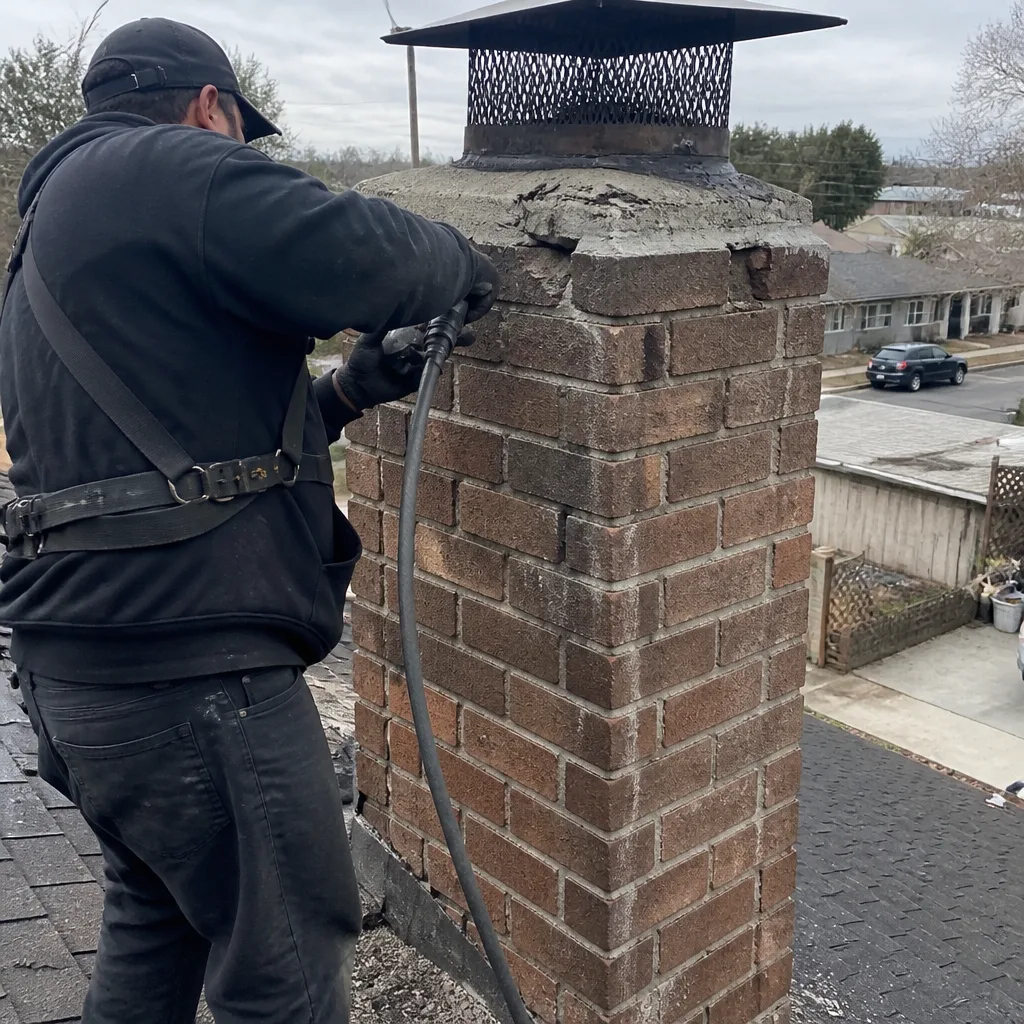 Before
 After
 Before
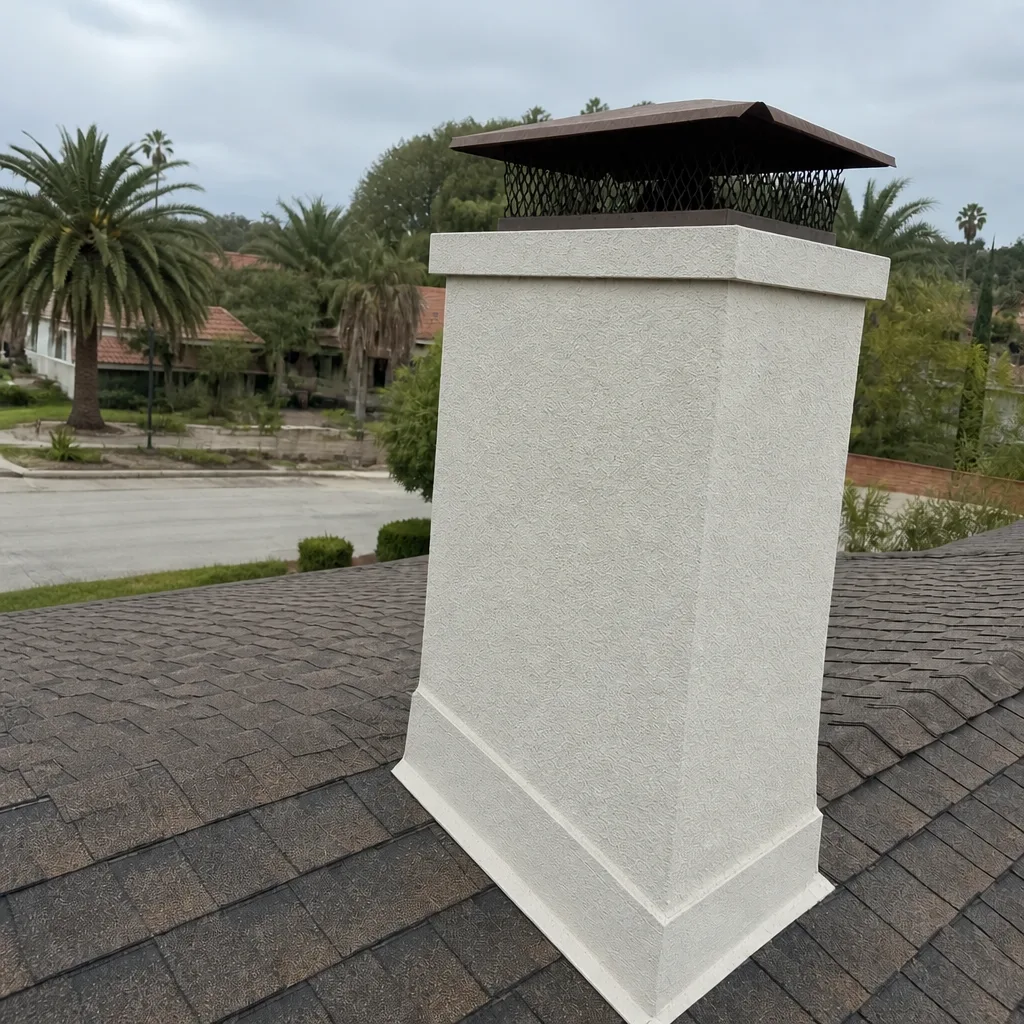 After