
Last updated October 30, 2026
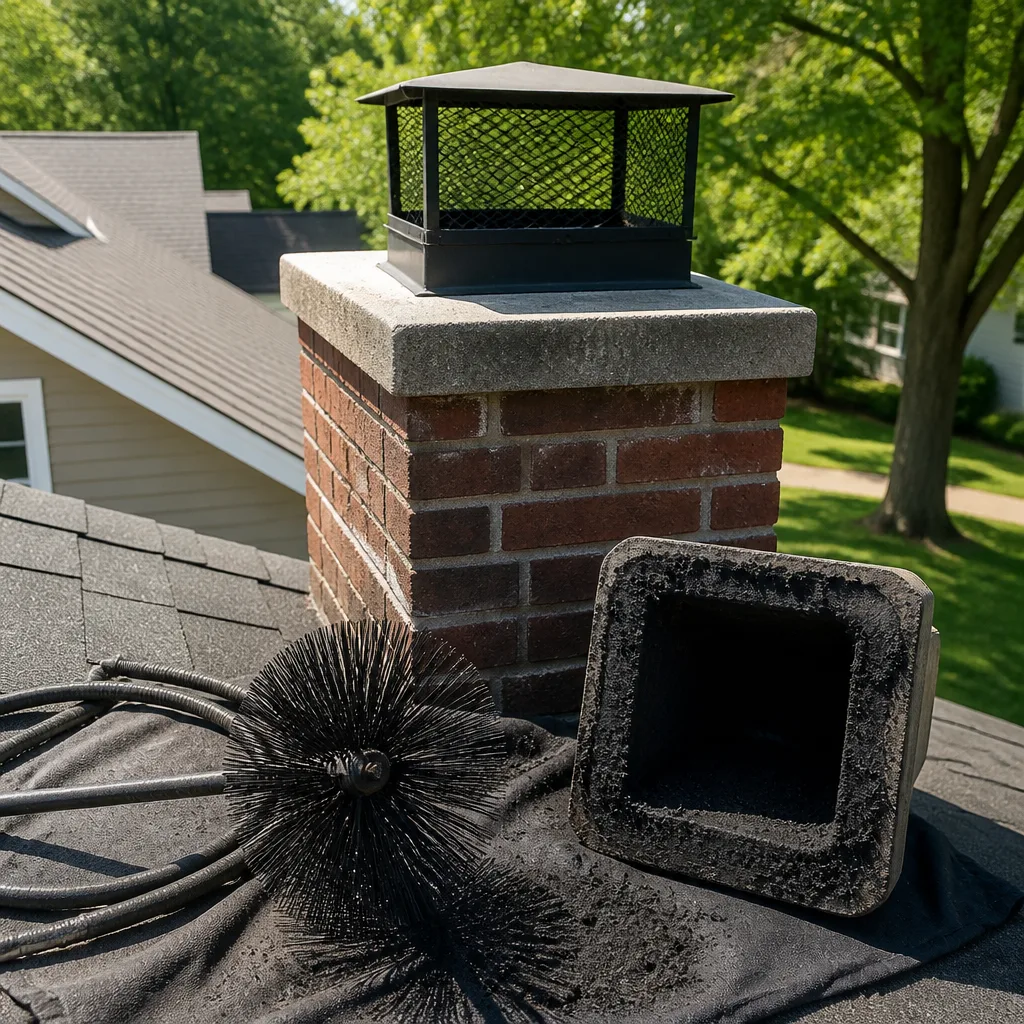 Sweep & inspection
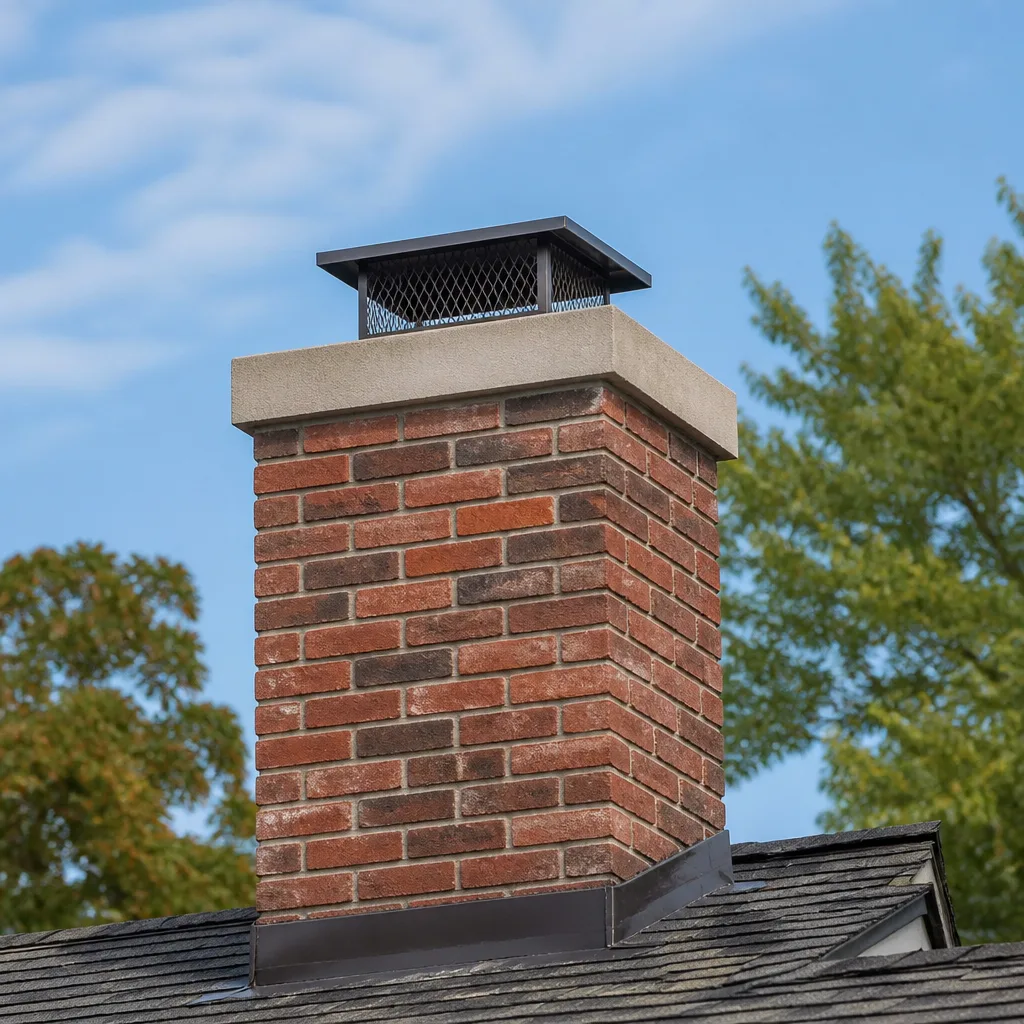 Caps & crowns
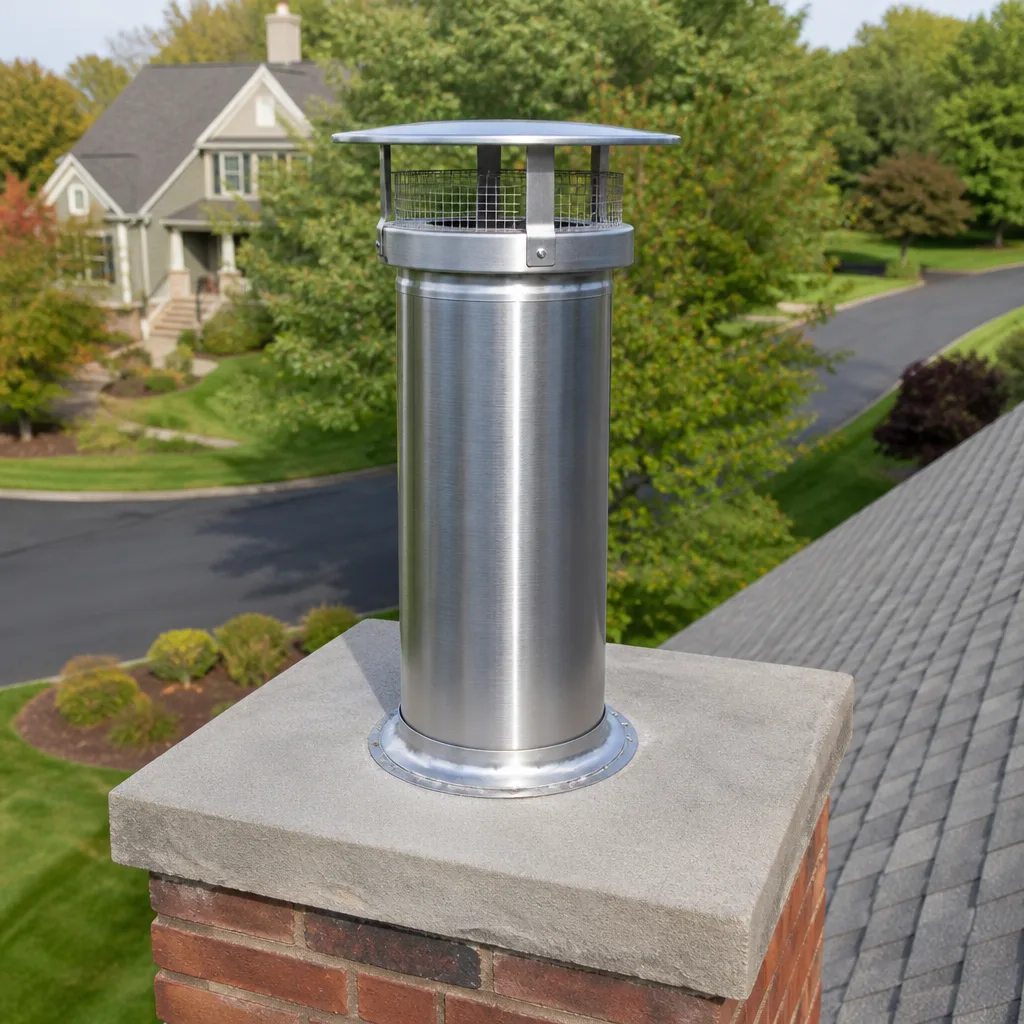 Flue relining
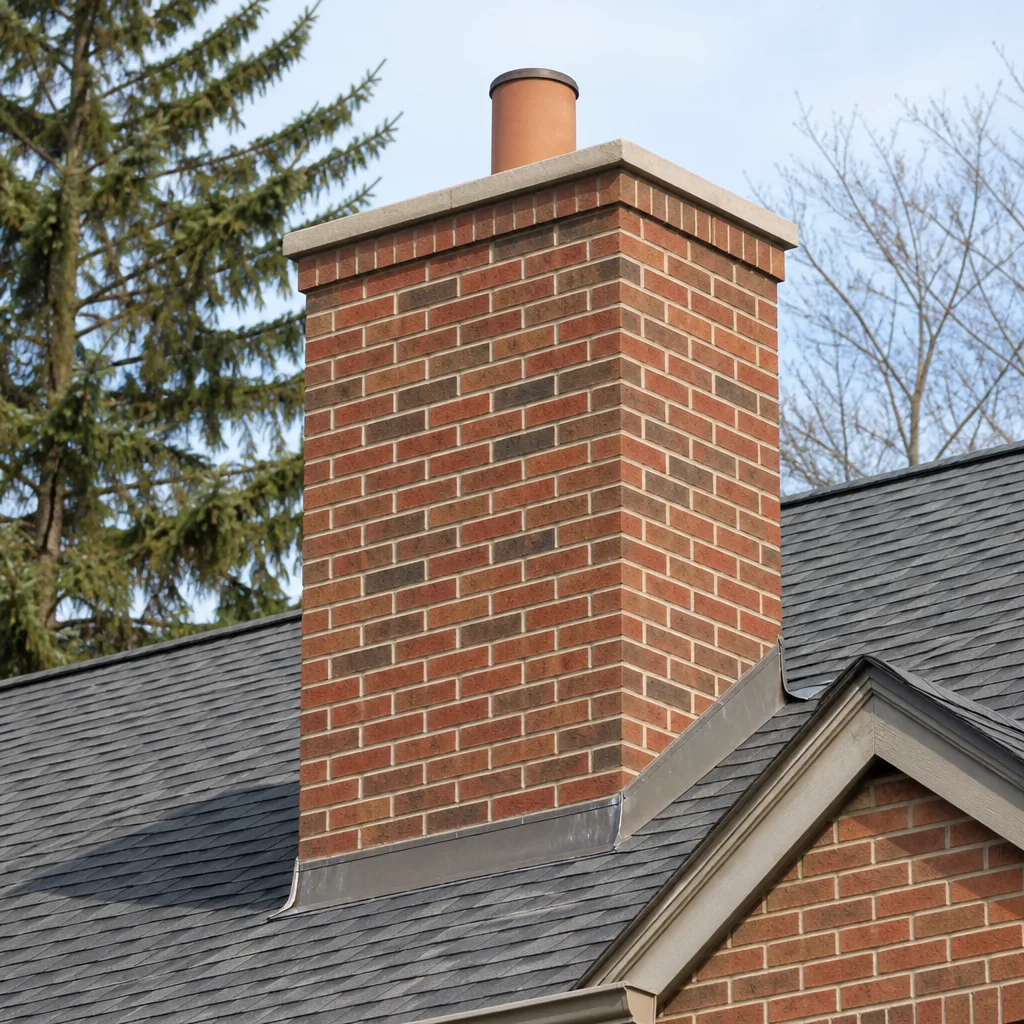 Masonry repair
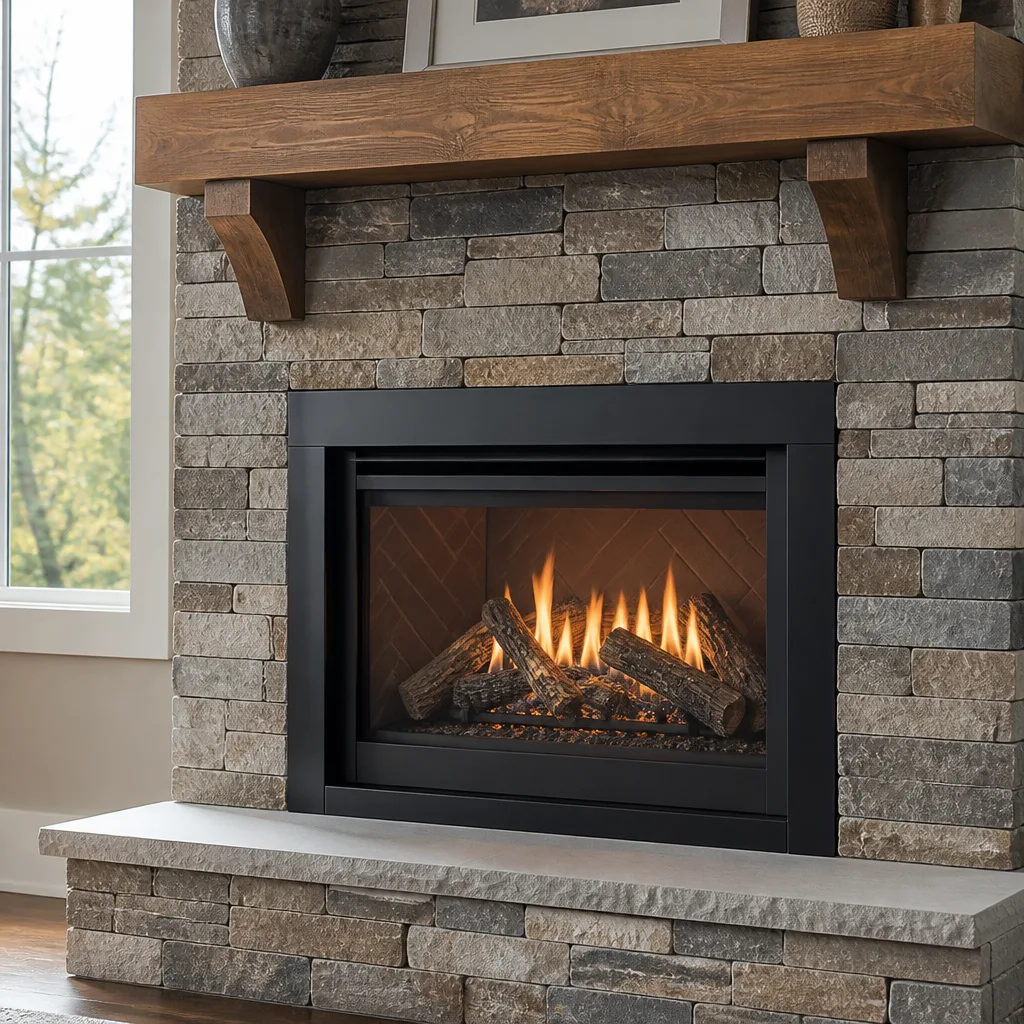 Gas fireplace service
Level 1 sweep and inspection to the NFPA 211 annual standard - flue, crown, cap, and flashing checked and photographed
Chimney sweep logs do not sweep chimneys. They loosen some creosote - which then falls where a brush and vacuum still have to collect it.
Choosing the Right Chimney Cleaning Brand: A Buyer’s Guide for Ontario
Most homeowners in Ontario never see the materials that determine whether their chimney work lasts three years or twenty. The sealant on your crown, the grade of steel in your cap, the brush that touches your flue liner. They all look the same on the day the job is done. Then the Ontario rain hits, the temperature swings, the creosote builds, and the difference between a $12 hardware store product and a professional-grade material becomes the difference between a chimney that works and one that quietly fails. This guide explains what professional chimney technicians actually use, why those materials matter in Ontario’s specific climate, and the questions you should ask before anyone puts a brush or a trowel near your flue. For more guides & resources, see our blog.
Styles & brands we work with
- Sweep & inspection
- Caps & crowns
- Flue relining
- Masonry repair
- Gas fireplace service
Quick Answer
The “brand” that matters in chimney cleaning isn’t the company logo on the truck. It’s the product lines the company uses: crown sealants, flue liner systems, chimney caps, and brush materials. In Ontario, reputable chimney companies work with professional-grade lines like HeatShield, Olympia Chimney, and Famco because these are the materials specified by certified chimney professionals, not the substitutes sold at big-box retail. Ask your contractor which specific products they use. A direct answer with brand names is a good sign. A vague answer usually means cheap materials.
Table of Contents
- Why Crown Sealants Matter More Than You Think
- Flue Liner Repair Products: What Actually Holds Up
- Chimney Caps: 304 vs 316 Stainless vs Galvanized
- Brush Materials: Polypropylene vs Wire and Why It Matters
- Creosote-Modifying Treatments: Helpful or Hype?
- How to Ask Your Contractor About Materials
- What Ontario’s Climate Means for Your Chimney
- Common Mistakes to Avoid
- When to Call a Professional
- Frequently Asked Questions
- The Bottom Line
Why Crown Sealants Matter More Than You Think
The chimney crown is the concrete slab at the top of your chimney. Its entire job is to shed water away from the flue and the masonry below. When it cracks, water gets in. And water is the enemy of every chimney in Ontario, where winter freeze-thaw cycles turn small cracks into structural problems within a couple of seasons.
Here’s the thing about crown sealants: they look identical when applied. A professional-grade elastomeric sealant designed for chimney crowns costs roughly three to four times what a generic hardware store sealant costs. The generic product will look fine for the first year. Maybe the second. Then Ontario’s temperature swings do their work, the sealant sheds, cracks, and water infiltration begins again. The professional product, properly applied, is designed to flex with thermal movement and hold for a decade or longer.
When we inspect chimneys across Ontario, we regularly see crowns that were “sealed” two or three years ago with the wrong product, already showing the same cracks that were supposed to be fixed. The homeowner paid for a repair. What they got was a delay.
The brands that chimney professionals actually specify, from supply houses like Copperfield and Olympia Chimney, are formulated for the specific conditions of a chimney crown: UV exposure, standing water, thermal expansion, and freeze-thaw cycling. They are not the products you will find on the shelf at a home improvement store, and that is not an accident. Professional supply houses exist because the trade demands materials that do not fail in the field.
What this means for you as a homeowner in Ontario: when you get a quote for crown repair, ask what sealant they use. If the answer is “a professional-grade elastomeric” with no brand name, push harder. If the answer is a brand name you can verify through professional channels, you’re talking to someone who uses real materials.
Flue Liner Repair Products: What Actually Holds Up
Your flue liner is the barrier between combustion gases and the masonry of your chimney. If it fails, you’re not just looking at efficiency loss. You’re looking at carbon monoxide risk and fire risk. This is the most safety-critical component of your entire chimney system, and the products used to repair or replace it are not interchangeable.
For full liner replacement, the industry benchmark is a flexible stainless steel system like DuraFlex. This is the product line specified by chimney professionals for relining jobs in Ontario and across North America. The reason is straightforward: DuraFlex handles offset flues, which are common in Ontario homes where chimneys were built without a perfectly vertical path from firebox to crown. Rigid liners cannot navigate those offsets. Flexible stainless can.
For liner repair rather than replacement, chimney repair in Ontario increasingly involves a ceramic resurfacing product called HeatShield. This is a proprietary system that restores the interior surface of a deteriorated flue liner by applying a ceramic coating. The advantage for homeowners is significant: a structurally sound, code-compliant chimney without the cost and disruption of a full tear-out and reline. Not every chimney qualifies. But when it does, HeatShield turns a $3,000 to $6,000 job into a fraction of that cost.
The key question to ask when liners are being discussed: are you using a certified product system, or a patch? Cheap liner patch compounds have a place in very limited, temporary situations. They are not a permanent solution. A contractor who proposes a patch as a long-term fix for a deteriorated flue is cutting corners on the most dangerous part of your chimney.
Chimney Caps: 304 vs 316 Stainless vs Galvanized
Chimney caps seem simple. A metal cover that keeps rain and animals out. But the material choice determines whether that cap lasts five years or twenty-five, and Ontario’s air quality makes the distinction especially relevant.
Here are the three materials you will typically encounter:
- Galvanized steel: The cheapest option. A zinc coating over regular steel. In a dry climate, it can last a decade. In Ontario, where we get real rain and consistent humidity, galvanized caps typically start showing rust within three to five years. The zinc wears off, the steel oxidizes, and you’re buying another cap.
- 304 stainless steel: The standard professional choice. Good corrosion resistance in most residential settings. This is what most reputable chimney companies in Ontario install as their baseline cap.
- 316 stainless steel: Marine-grade stainless with added molybdenum for superior corrosion resistance. This matters in coastal environments or industrial areas with higher airborne chemical exposure. Parts of the Inland Empire, including some Ontario neighborhoods near industrial corridors, experience air quality conditions that justify the 316 upgrade for maximum lifespan.
Professional chimney supply distributors stock 304 and 316 stainless caps from manufacturers like Olympia Chimney and components from Famco and Gelco. These are products specified by chimney professionals, not found in big-box retail. When you buy a chimney cap from a home improvement store, you are almost always buying galvanized. It will work for a while. It will not last.
Our experience in Ontario is that galvanized caps are one of the most common “bargain” materials we see on chimneys that need service within a few years of installation. The cap rusts through, water gets in, and a $60 savings turns into a several-hundred-dollar repair.
Brush Materials: Polypropylene vs Wire and Why It Matters
Chimney brushes are not all the same. And using the wrong one can damage your flue liner in ways that are invisible to the naked eye but expensive to fix.
The basic distinction is between polypropylene brushes and wire brushes:
- Polypropylene brushes: Made of durable plastic bristles. These are the correct choice for stainless steel liners, including DuraFlex systems. Wire brushes scratch stainless steel, creating micro-abrasions where creosote and acidic residue accumulate more readily. Over time, wire brush damage shortens the lifespan of a stainless liner.
- Wire brushes: Appropriate for clay tile liners, which are the traditional flue material in older Ontario homes. Clay tile is hard and tolerates wire bristles without damage. Wire brushes are more aggressive at removing stubborn creosote glaze from tile.
The problem we see in the field: some chimney sweeping companies use one type of brush for everything. A wire brush on a stainless liner is a slow-motion mistake. It won’t fail immediately, but it degrades the liner surface years before its time.
When you hire a chimney sweep in Ontario, ask what type of brush they will use and why. A professional who can explain the relationship between brush material and liner material is a professional who understands what they’re doing. A blank stare is a red flag.
Creosote-Modifying Treatments: Helpful or Hype?
Creosote-modifying treatments are products you apply to a fire, either as a spray-on powder or a pre-fabricated log. They work by chemically altering creosote so it becomes less flammable and easier to remove during the next sweeping. The question homeowners in Ontario ask us regularly is whether these products are worth buying.
The honest answer: they are a maintenance supplement, not a substitute for professional service.
Here’s what creosote-modifying treatments actually do. They change the chemical structure of creosote from a hard, glazed form to a drier, flakier form. That flaky creosote is easier for a brush to remove, which means your next sweeping is more effective. Some products also reduce the combustibility of creosote between sweepings, which is a genuine safety benefit.
What they do not do is remove creosote. The product does not make creosote disappear. It still needs to be brushed out by a professional. A homeowner who uses creosote-removing logs and skips professional sweepings is creating a false sense of security. The creosote is still in the flue. It is still a fire hazard. It has just been chemically altered.
For homeowners in Ontario who use their fireplace regularly, a creosote-modifying treatment used between annual sweepings can be a reasonable supplement. It is not a replacement. The National Fire Protection Association recommends annual chimney inspections regardless of fuel type or usage level, and that recommendation exists for a reason.
How to Ask Your Contractor About Materials
Here is a step-by-step process for evaluating any chimney company’s material standards before you hire them:
- Ask which sealant brand they use for crown repairs. A professional will name a product line they buy from a chimney supply house. A vague answer like “we use a commercial-grade sealant” tells you they either do not know or do not want to tell you. Neither is good.
- Ask what liner system they install for relining jobs. If the answer is DuraFlex or another named stainless steel system, you are talking to a professional company. If the answer is “stainless steel” with no brand, ask for the specification. 316 and 304 are not the same thing.
- Ask whether they offer liner repair alternatives to full replacement. A company that only offers tear-out and replace may not have the equipment or expertise to apply a ceramic resurfacing system like HeatShield. That does not automatically make them a bad company. But it means you are not getting the full range of options.
- Ask what material their chimney caps are made from. If the answer is galvanized steel, that is a budget cap. A company that installs galvanized caps as standard is signaling that they compete on price, not longevity.
- Ask what brush type they use and how they match it to your liner. This is the question that separates trained technicians from generalists. A chimney sweep company that understands liner material and brush compatibility understands the physics of what they are doing.
- Ask where they source their materials. Companies that buy from professional supply houses like Copperfield or Olympia Chimney are buying the same products specified by certified chimney professionals. Companies that buy from retail stores are buying retail products, even if the invoice still says “commercial grade.”
You do not need to become a materials expert to hire a competent chimney company. You just need to ask the questions. The answers will tell you everything.
What Ontario’s Climate Means for Your Chimney
Ontario sits in a Mediterranean climate zone with hot, dry summers and mild, wet winters. That sounds gentle on a chimney. It is not.
The combination of intense summer UV exposure and winter rain creates a specific failure pattern we see regularly across Ontario chimneys. Crown sealants and chimney caps take a beating from UV radiation during the long dry season. Then winter rains arrive, and any breach in the sealant or cap allows water into the chimney system. Once water is inside masonry, it does not freeze and thaw like it does in colder climates, but it does support the growth of mold, contribute to efflorescence, and accelerate the deterioration of mortar joints over time.
Air quality is the other Ontario-specific factor. The Inland Empire consistently ranks among the areas with elevated levels of particulate matter and ozone in California. For chimney caps, this means accelerated corrosion. The airborne particulates and chemical compounds in the local atmosphere react with metal surfaces, especially galvanized steel. This is why we recommend 316 stainless caps for Ontario homes more often than we would for properties in cleaner air regions. The upgrade is not about luxury. It is about the environment the cap will live in.
For homeowners across Ontario neighborhoods, from the historic districts near Euclid Avenue to the newer developments south of the 60, the material selection question comes down to this: how long do you want the repair to last before you pay for it again?
Common Mistakes to Avoid
- Buying a galvanized chimney cap to save $40. In Ontario’s air quality conditions, galvanized caps rust through in three to five years. The stainless cap you avoided would have lasted fifteen to twenty. You saved $40 and bought yourself two extra cap replacements.
- Using a creosote-removing log as a substitute for professional sweeping. These products chemically alter creosote. They do not remove it. The creosote is still in your flue, still combustible, and still waiting for a professional brush.
- Accepting a crown sealant repair with no brand specification. Generic elastomeric sealants fail within a few seasons in Ontario’s UV conditions. A professional-grade product is the difference between a repair that lasts and a repair that repeats.
- Letting a sweep use a wire brush on a stainless steel liner. Wire bristles scratch stainless, accelerating creosote adhesion and shortening liner life. If you have a stainless liner, insist on polypropylene brushes.
- Hiring a generalist contractor for liner work. Liner replacement and repair is not general masonry. The products and techniques are chimney-specific. A general contractor who “can do chimneys” is often installing retail-grade materials at professional prices.
- Buying chimney cleaning products online without knowing your liner type. A product that is safe for clay tile may be wrong for stainless steel. Know your system before you buy.
- Skipping the inspection because the chimney “looks fine.” The most expensive chimney problems are the ones you cannot see. We have inspected Ontario chimneys that looked perfectly fine from the roof and had flue liner deterioration visible only with a camera.
When to Call a Professional
Some chimney work is genuinely DIY-appropriate, like applying a creosote-modifying treatment to a fire or doing a visual check of your chimney cap from the ground. Most of it is not. If you’re weighing whether to tackle cleaning yourself, read our DIY vs Professional Chimney Cleaning: The Ontario Homeowner’s Decision Guide first.
Call a professional if you notice any of the following: a crack in your chimney crown, rust on your chimney cap, water staining on the ceiling near your fireplace, a smoky smell in the house after fires, visible creosote buildup when you look up the flue, or any evidence of animals nesting in the chimney. These are not maintenance items. They are repair items, and they are not going to resolve themselves.
If you are in Ontario, Ontario Chimney home services the full range of chimney work, from sweeping to structural repair. We use professional-grade materials from the suppliers named in this guide, and we will tell you exactly what we found, show you the evidence, and give you options. Call (833) 467-7685 for a free estimate.
Frequently Asked Questions
A standard chimney sweeping in Ontario typically runs between $150 and $350 depending on the condition of the flue, the level of creosote buildup, and whether any additional services like a camera inspection are included. For full details on what to expect, see The Complete Guide to Chimney Cleaning in Ontario. Companies using professional-grade equipment and materials tend to be at the higher end of that range, and the difference is usually visible in the thoroughness of the work. Call (833) 467-7685 for an exact quote. Estimates are free.
The answer depends on what the camera inspection shows. Deteriorated clay tile joints, visible cracks, or gaps between tiles are legitimate reasons to reline. What you should require is evidence. A reputable chimney company will show you the camera footage of your flue liner before recommending replacement. If a contractor recommends a new liner without showing you the evidence, get a second opinion. Ontario Chimney provides camera inspection with photo documentation before any liner recommendation is made.
The National Fire Protection Association recommends annual chimney inspections regardless of usage, with sweeping performed as needed based on creosote accumulation. For homeowners in Ontario who use their fireplace regularly through the winter, annual sweeping is a reasonable baseline. Light users may be able to go every two years, but only a professional inspection can tell you where you fall on that spectrum.
Creosote accumulates on the flue walls. Creosote is combustible. When enough builds up and you light a hot fire, the creosote can ignite and cause a chimney fire. Even without a chimney fire, heavy creosote reduces draft efficiency and can produce a smoky smell in the house. The risk is not theoretical. The National Fire Protection Association documents thousands of chimney fires annually in North America.
Dryer vent fires are a documented and substantial risk. According to the National Fire Protection Association, dryers and washing machines are involved in roughly 15,000 structure fires per year in the United States, with the leading cause being failure to clean the vent. Dryer vent cleaning in Ontario is not an upsell. It is a fire-safety service with the same urgency as chimney sweeping. If you cannot remember the last time your dryer vent was cleaned, it is overdue.
316 stainless steel is the best choice for Ontario homes, particularly in neighborhoods closer to industrial corridors where airborne particulates accelerate corrosion. 304 stainless is a solid baseline that will outperform galvanized steel by a wide margin. Galvanized caps are the budget option, and in Ontario’s air quality conditions, they are usually false economy. If you are replacing a cap, go stainless. The price difference is small compared to the lifespan difference.
The Bottom Line
The chimney cleaning industry is not a mystery. It is a trade with professional-grade materials, professional supply chains, and professional standards. For a deeper look at proper sweep procedures, read The Complete Chimney Sweep Guide for Ontario Homeowners. The difference between a chimney that lasts and a chimney that fails is usually decided by which materials were used, and that decision is made by the contractor you hire. In Ontario, where UV exposure, winter rain, and air quality all work against your chimney, material selection is not an academic concern. It is the reason one crown repair lasts a decade and another fails in three years. Ask the questions. Demand the brand names. And hire a company that answers directly.
Written by the team at Ontario Chimney, serving Ontario since 2014.
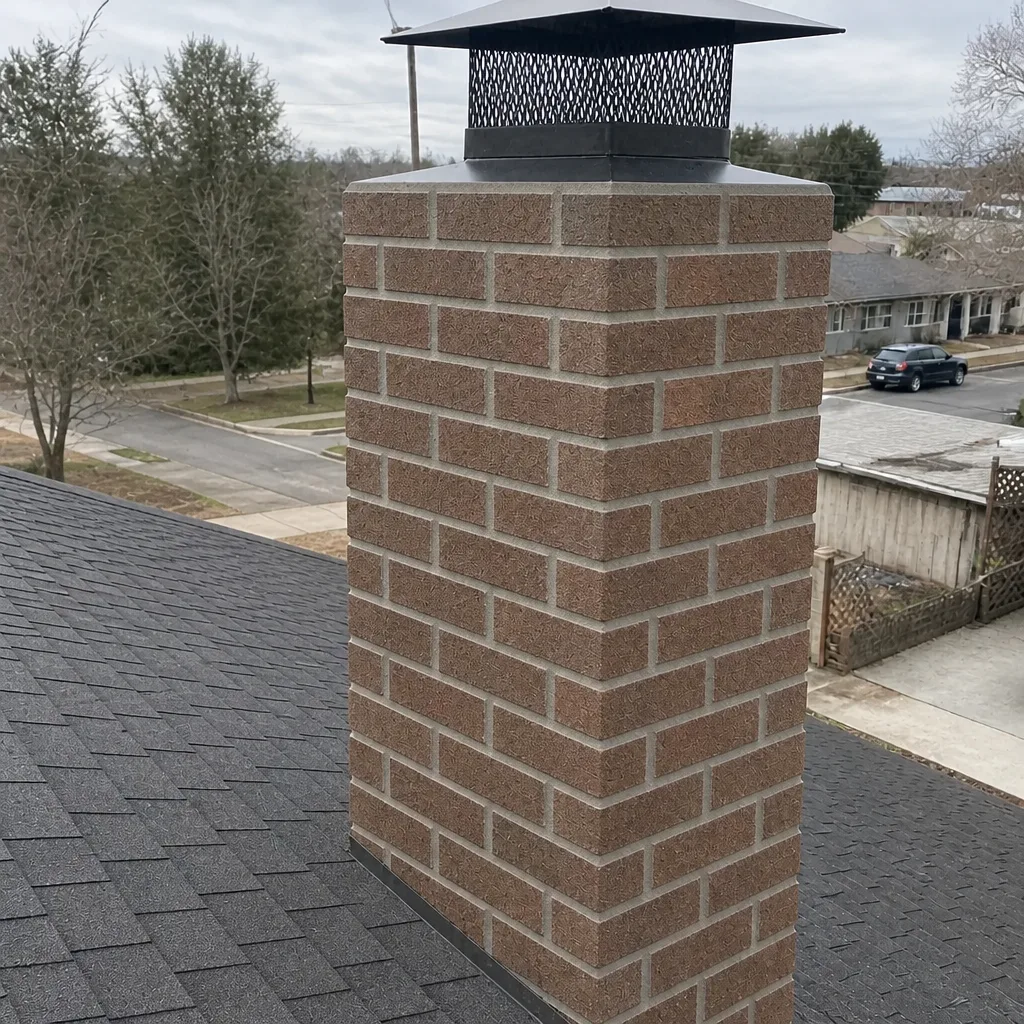
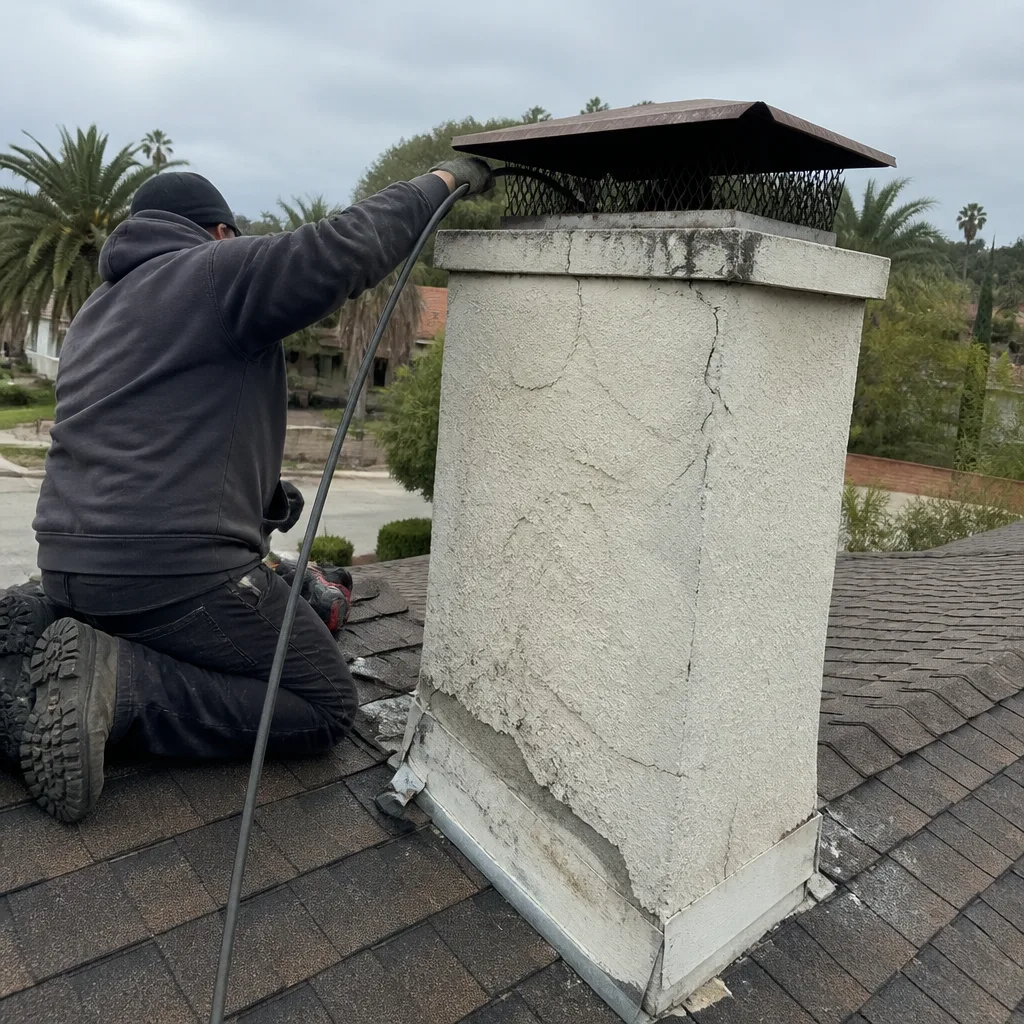
See the difference
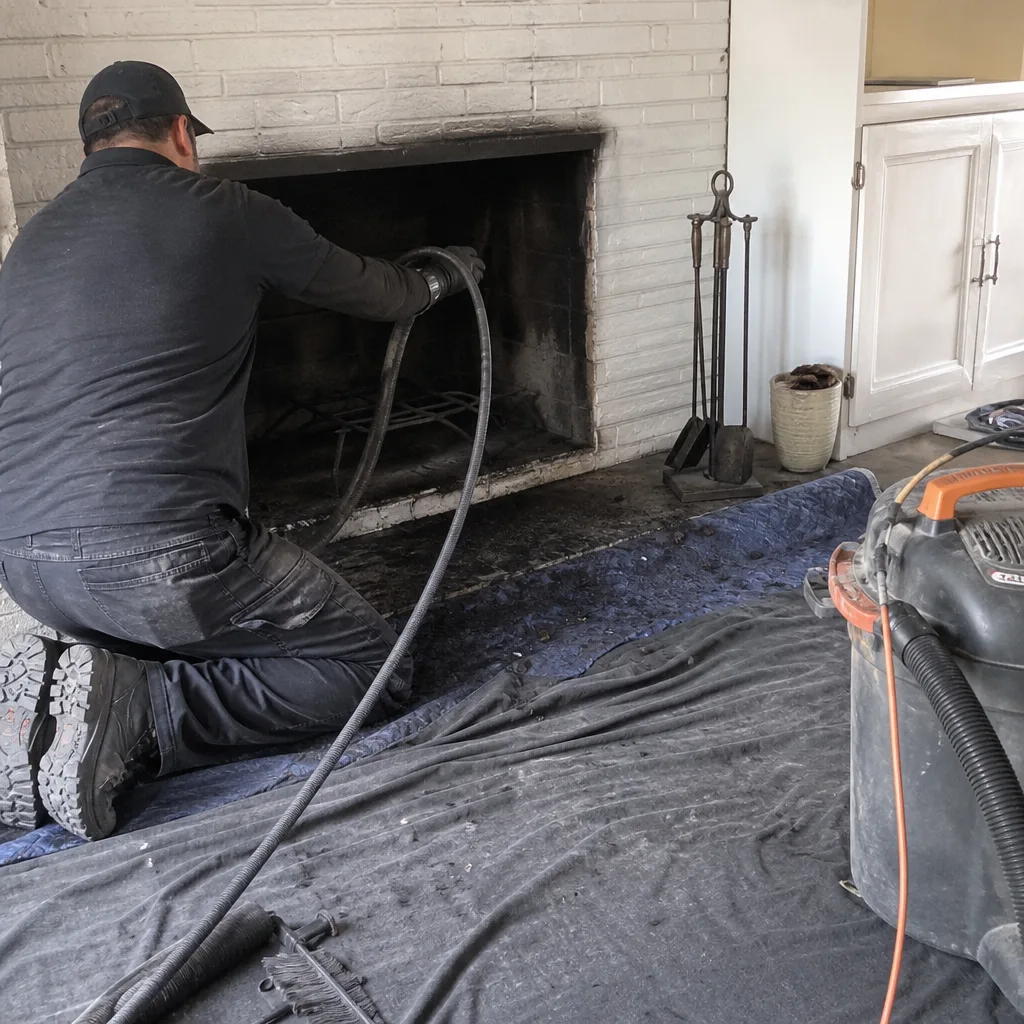 Before
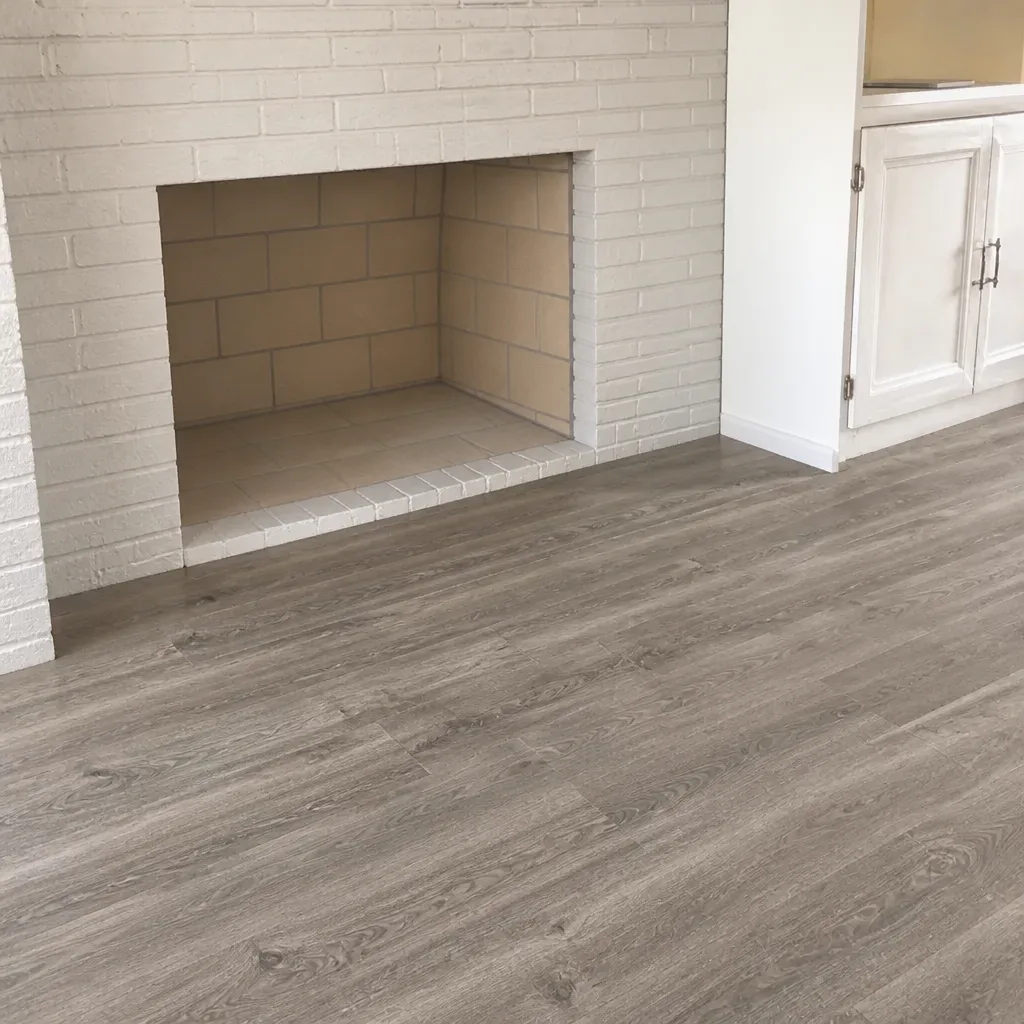 After
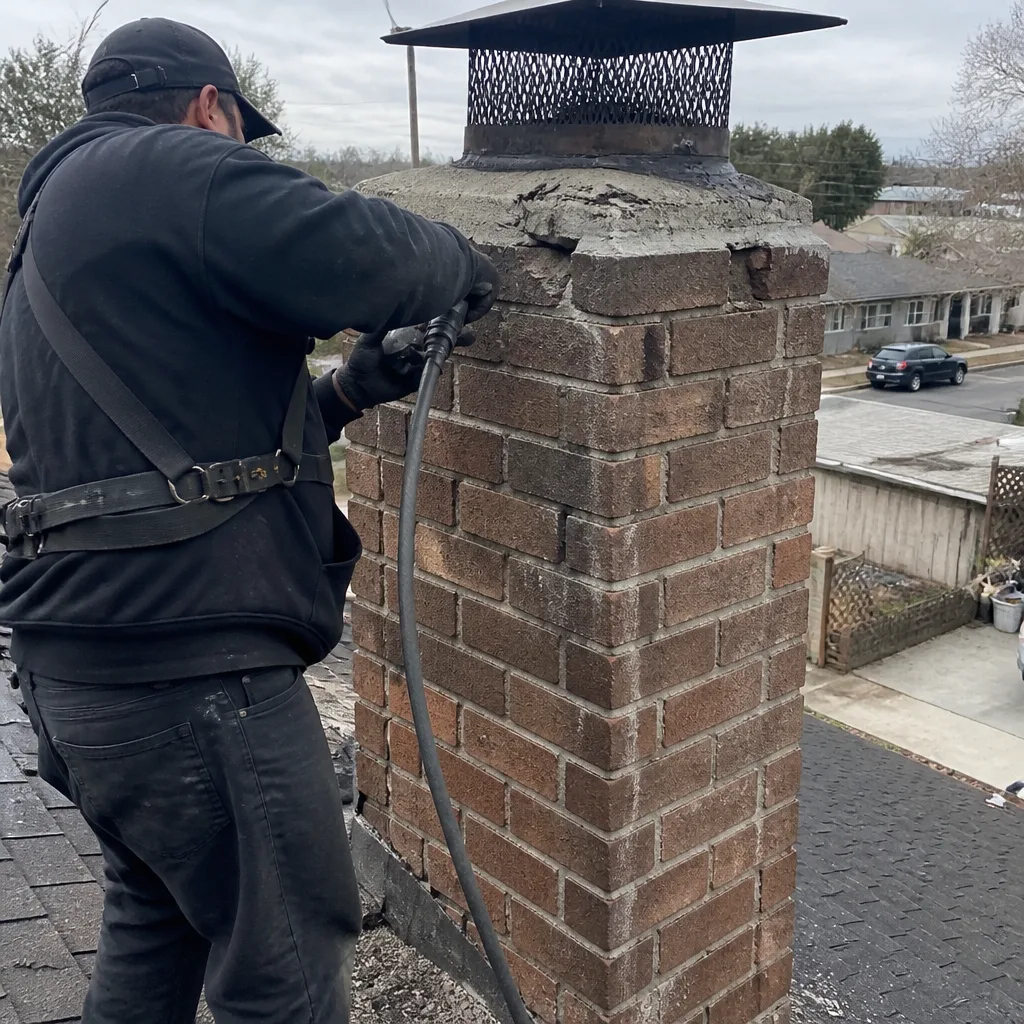 Before
 After
 Before
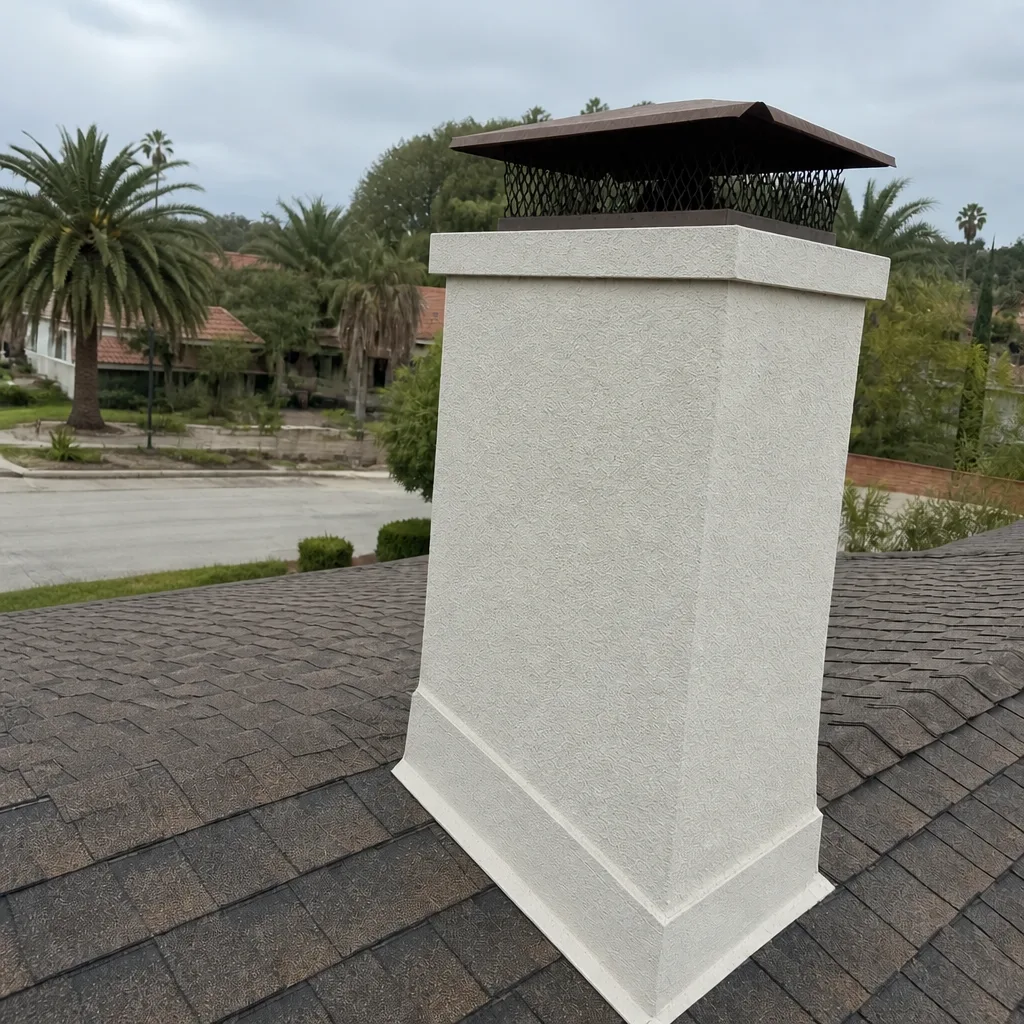 After