
Last updated October 30, 2026
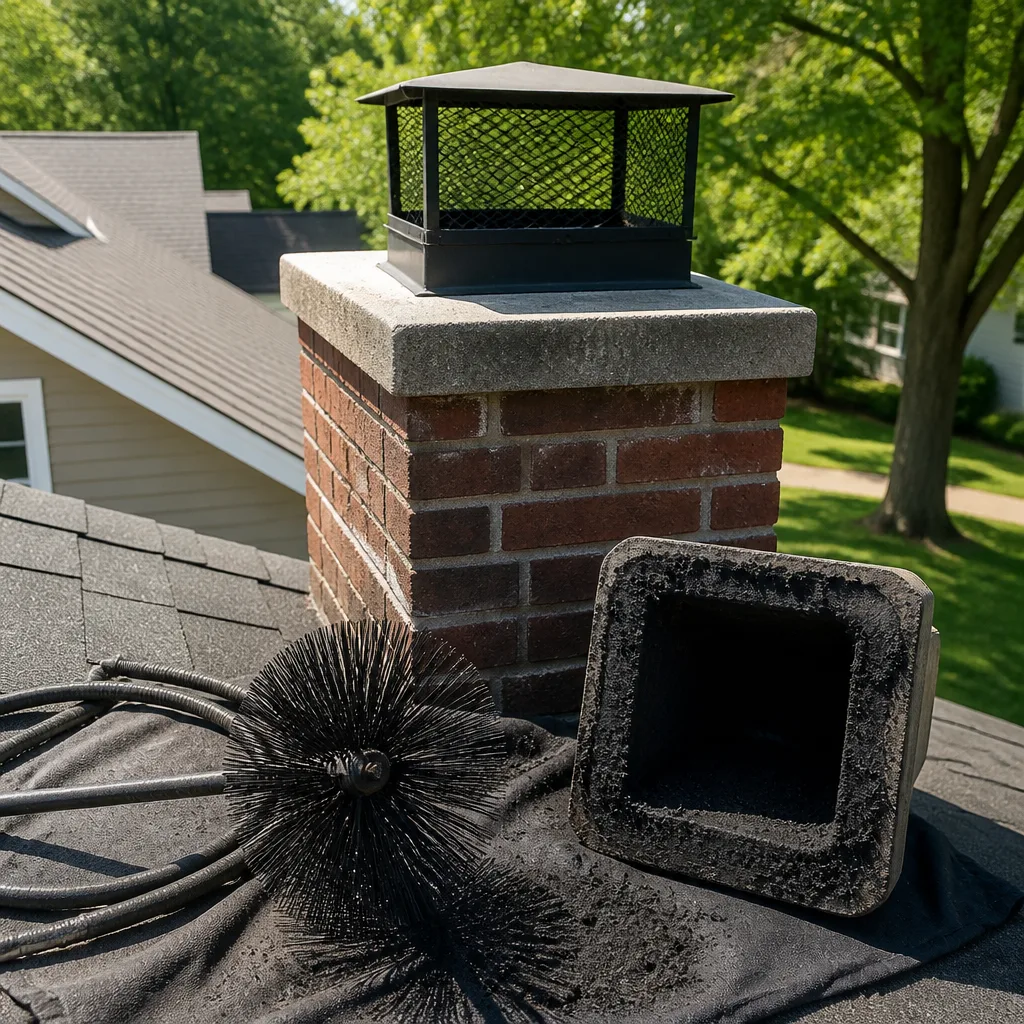 Sweep & inspection
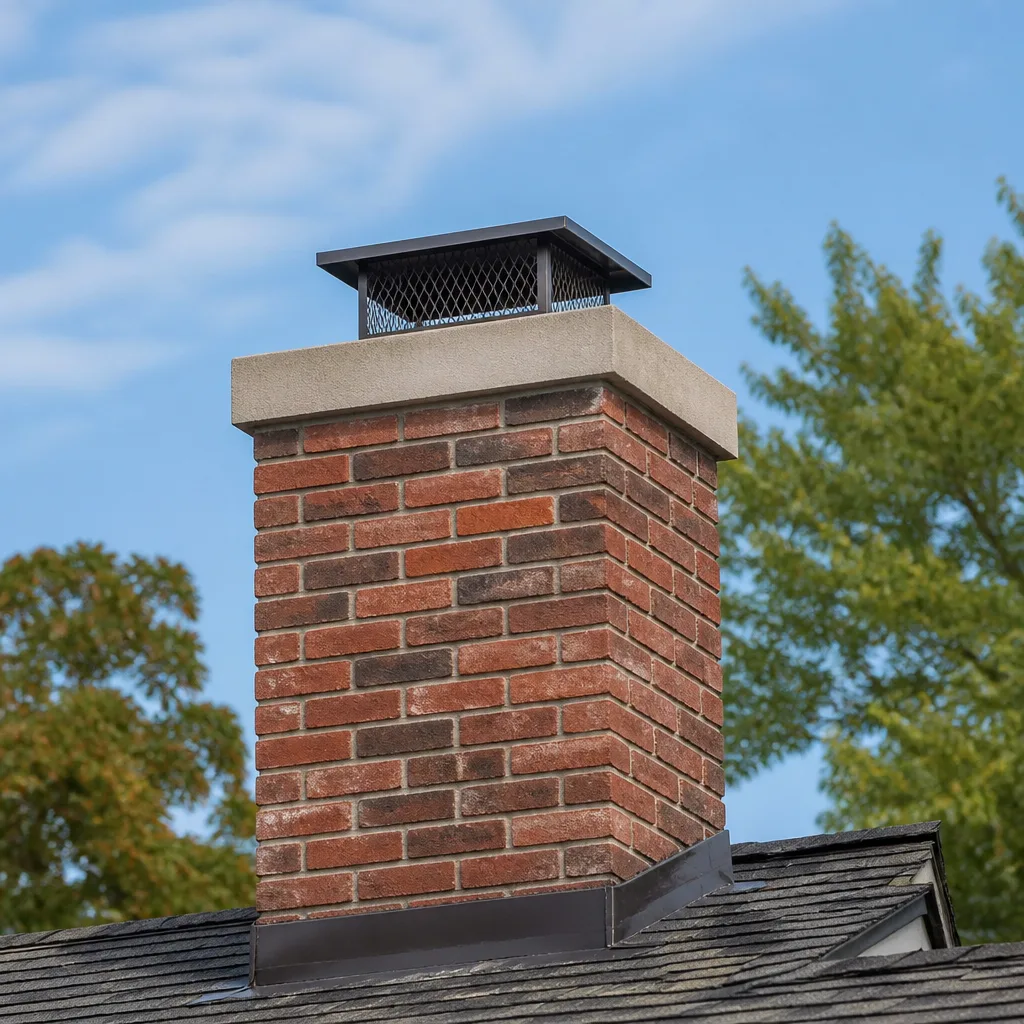 Caps & crowns
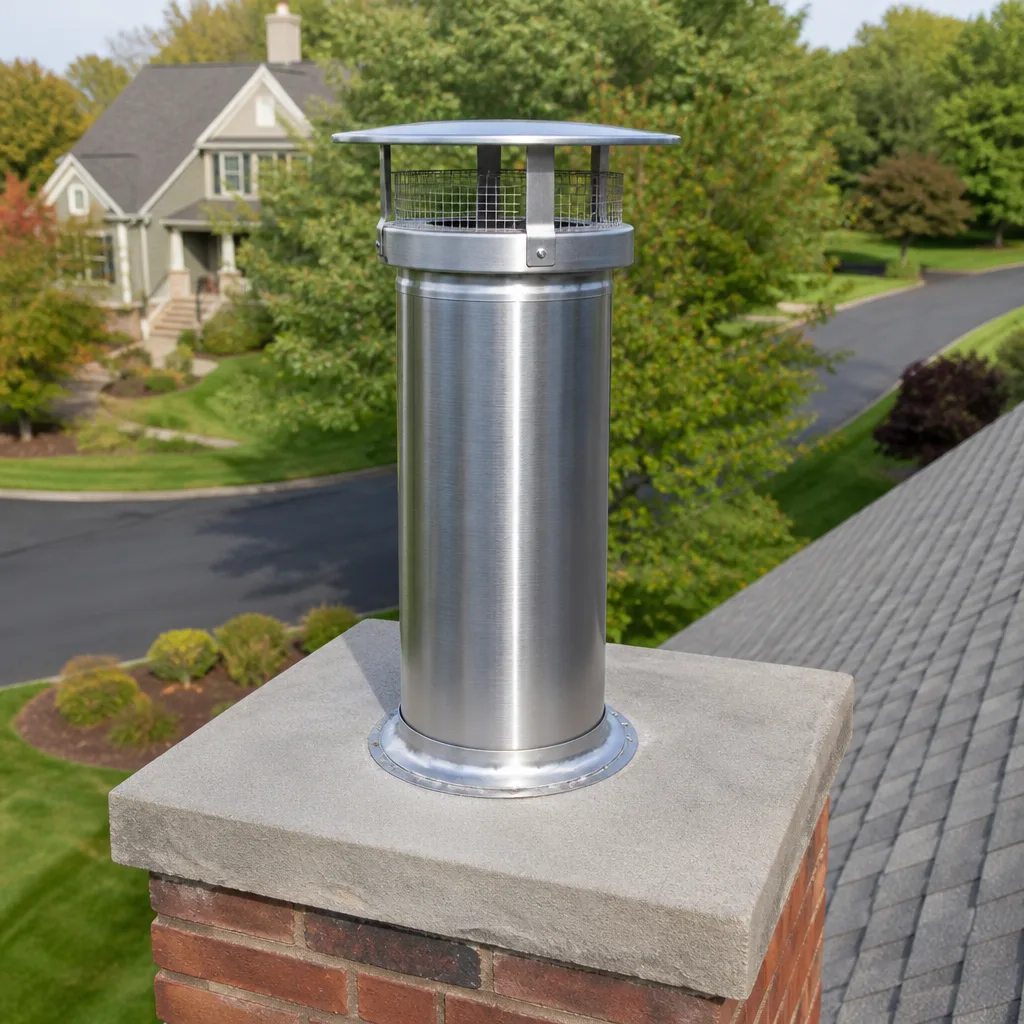 Flue relining
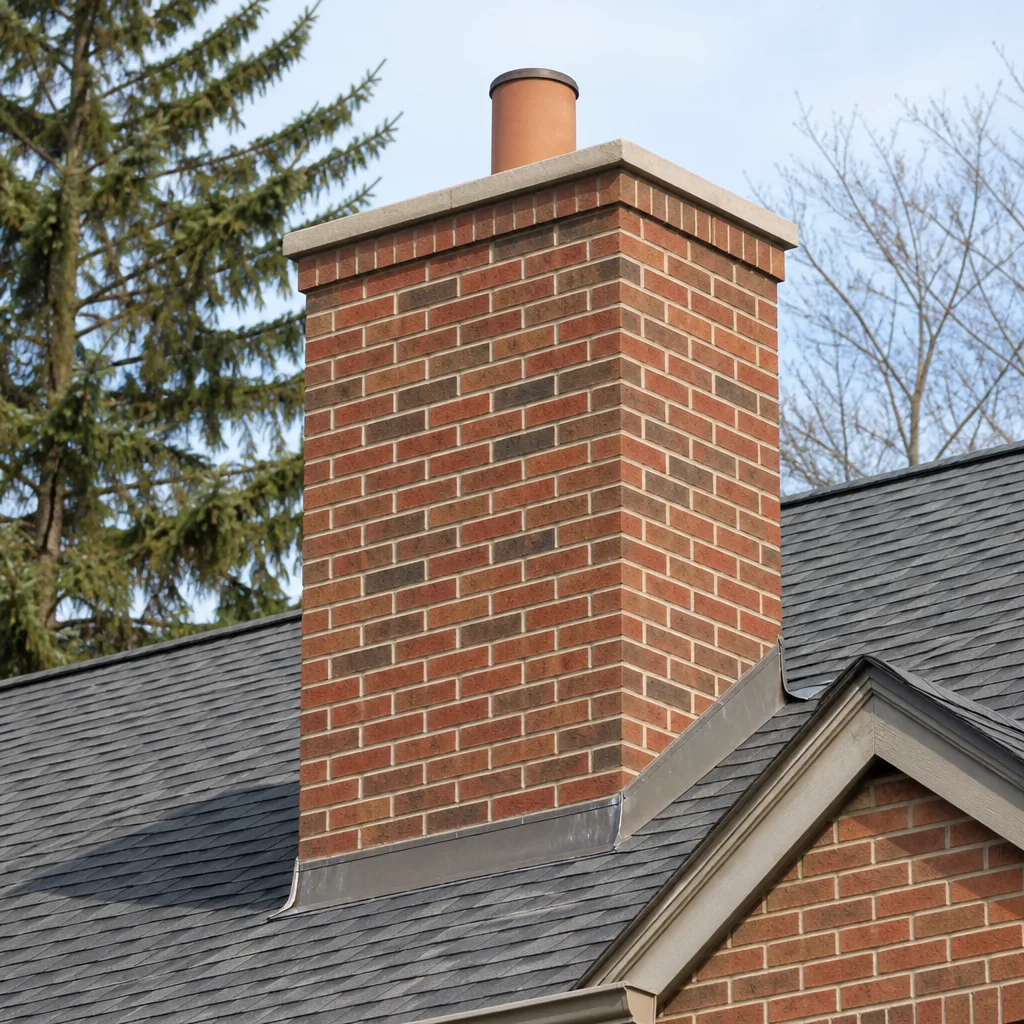 Masonry repair
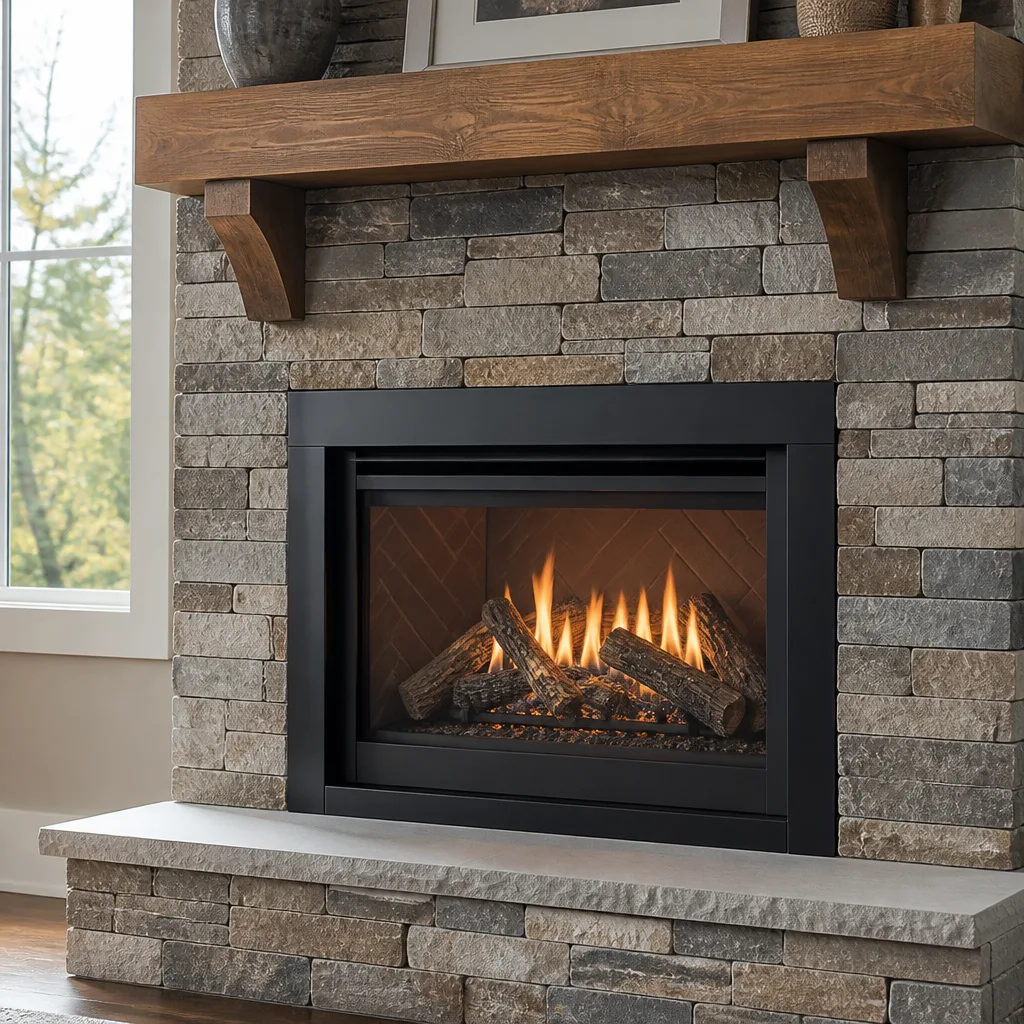 Gas fireplace service
Level 1 sweep and inspection to the NFPA 211 annual standard - flue, crown, cap, and flashing checked and photographed
Chimney sweep logs do not sweep chimneys. They loosen some creosote - which then falls where a brush and vacuum still have to collect it.
The Complete Guide to Chimney Cleaning in Ontario
Most chimney fires don’t announce themselves with flames shooting from the cap. They burn inside the flue liner at temperatures above 2,000°F while the homeowner sits in the next room watching television. Ontario’s warm winters mean homeowners burn fires less frequently but often with wetter, poorly seasoned wood, which is exactly the combination that builds the most dangerous form of creosote. This guide maps the actual variables Ontario homeowners face, from wildfire smoke exposure to aging housing stock, so you can make informed decisions rather than just scheduling an appointment and hoping for the best.
Quick Answer
Chimney cleaning in Ontario, CA typically costs between $189 and $379 for a standard sweep with a basic inspection, though homes with heavy glazed creosote or structural issues will see higher quotes. A legitimate cleaning takes 45 to 90 minutes and includes a full flue inspection, smoke chamber check, and written report. Ontario homeowners should schedule a sweep at least once per year if they burn wood regularly, and immediately if they notice a strong campfire smell, visible soot falling into the firebox, or poor drafting.
Styles & brands we work with
- Sweep & inspection
- Caps & crowns
- Flue relining
- Masonry repair
- Gas fireplace service
Table of Contents
- Why Ontario Chimneys Get Dirtier Than You’d Expect
- The Three Stages of Creosote (And Why Stage 3 Is an Emergency)
- What Wildfire Smoke and Santa Ana Winds Do to Your Flue
- Level 1, Level 2, and Level 3 Inspections Explained
- Older Ontario Homes and the Missing Liner Problem
- What a Legitimate Chimney Cleaning Actually Looks Like
- Common Mistakes to Avoid
- When to Call a Professional
Why Ontario Chimneys Get Dirtier Than You’d Expect
Ontario sits in a climate pocket that confuses conventional chimney advice. Most sweeping guidance written for New England or the Midwest assumes consistent winter burning with properly seasoned hardwood. Ontario homeowners burn sporadically, often lighting a fire on cool evenings in November and February while the fireplace sits dormant during warm December stretches. That intermittent pattern is actually harder on flues than consistent use.
Here’s why. When you light a fire after weeks of inactivity, the flue is cold. Cold flues create poor draft, which means lower combustion temperatures and more smoke condensation on the flue walls. Each partial burn deposits a thin layer of creosote that never gets hot enough to burn off. Over a season of occasional fires, those layers compress and harden. We’ve seen Ontario chimneys with heavier Stage 2 creosote after one sporadic burning season than well-used chimneys in Michigan accumulate in three.
The wood supply also matters. The Inland Empire doesn’t have the established firewood seasoning culture you find in colder regions. A lot of the wood sold in gas stations and grocery store parking lots around Ontario hasn’t been split and stacked long enough to drop below the 20% moisture content threshold. Burning wet wood produces cooler smoke, which condenses faster and creates creosote at roughly double the rate of properly seasoned oak or almond.
Add in the geography. Ontario sits in the path of Santa Ana wind events that push fine particulate into every exterior vent and chimney opening. That particulate mixes with creosote and creates a gritty, dense coating that water and a basic brush struggle to remove. Professional-grade rotary tools make the difference here, which is why experienced chimney sweep services in Ontario avoid the hardware-store brushes that work fine in cleaner air regions.
The Three Stages of Creosote (And Why Stage 3 Is an Emergency)
Creosote is the black or brown residue that condenses inside your flue every time wood smoke cools. It forms in three distinct stages, and the difference between them determines whether cleaning is routine maintenance or urgent work.
Stage 1: Soot and Flaky Creosote
Stage 1 is a light dusting, mostly black soot with a few flaky patches. It brushes off with basic sweeping tools. Every chimney develops Stage 1 creosote after just a few fires, and this is the stage where cleaning is straightforward, fast, and inexpensive. If every Ontario homeowner stayed in Stage 1, chimney fires would be rare.
Stage 2: Bumpy and Tar-Like
Stage 2 creosote looks like black popcorn or dried molasses. It has a shiny surface in places and resists simple brushing. Removing it requires rotary tools with stainless steel or poly loops. This is the stage where most Ontario chimneys arrive at their first professional cleaning, because it develops quietly after one or two seasons of sporadic burning without maintenance.
Stage 3: Glazed and Concentrated Fuel
Stage 3 creosote is a hard, shiny, tar-like coating that looks like black glass. It forms when the lower stages repeatedly heat and re-condense, and it’s a legitimate fire hazard. A single hot fire can ignite Stage 3 creosote, and once it burns, it burns like a candle inside your flue at temperatures that crack terracotta liners and warp metal chimneys. Removing Stage 3 glazed creosote requires chemical treatment followed by rotary scrubbing, and in some cases it cannot be fully removed without relining or resurfacing.
The takeaway: creosote stages are not academic categories. They determine what a cleaning costs, how long it takes, and whether repair work is necessary before your chimney is safe to use again.
What Wildfire Smoke and Santa Ana Winds Do to Your Flue
This variable gets zero attention in standard chimney guides, but in Ontario it’s relevant every single autumn. Santa Ana wind events push wildfire smoke, ash, and fine particulate across the Inland Empire with enough force that it enters chimneys even when no fire is burning.
Here’s the problem. Ash and wildfire particulate are acidic. When they settle inside a flue and combine with the humidity that swings through Ontario from late September through November, they form a corrosive paste that accelerates deterioration of terracotta and mortar joints. Chimneys that are exposed to repeated Santa Ana events develop spalling (flaking clay liner) and eroded mortar faster than protected chimneys in coastal or inland valley locations without that wind pattern.
Wildfire ash also mixes with creosote and creates a dense, gritty compound that clogs flue passageways. In our experience, Ontario chimneys that go uncleaned through a fire season often require mechanical removal rather than simple sweeping.
What should you do? After a heavy Santa Ana event during fire season, inspect your chimney cap and firebox for accumulated fine ash. Even if you haven’t burned a fire. If you see a quarter-inch of fine gray powder, schedule a cleaning and inspection before you light anything. The draft will be compromised, and the corrosive exposure has already started.
Level 1, Level 2, and Level 3 Inspections Explained
The Chimney Safety Institute of America (CSIA) defines three inspection levels, and the naming convention confuses a lot of homeowners. Level 3 is the most intensive, but Level 2 is what most Ontario homeowners actually need after buying a home or experiencing an event like an earthquake or chimney fire.
Level 1 Inspection
A Level 1 inspection covers the readily accessible portions of your chimney: the firebox, smoke chamber, flue interior, and exterior cap. It uses no special tools beyond a flashlight and happens during a routine cleaning. If you’ve used your fireplace consistently without any changes, problems, or performance issues, a Level 1 during your annual chimney sweep in Ontario is sufficient.
Level 2 Inspection
A Level 2 inspection includes everything in Level 1 plus video scanning of the flue interior, attic and crawlspace access points, and the exterior chimney structure. You need a Level 2 when: you’re buying or selling a home, you’ve had a chimney fire, an earthquake or severe wind event affected your home, you’re changing fuel type (wood to gas, for example), or you’re relining the chimney.
In Ontario, level 2 inspections matter more than in other markets because of the 2008 Chino Hills earthquake and ongoing seismic activity along the San Jacinto fault corridor. Minor seismic shifts crack mortar joints and separate flue liners without any visible exterior damage. A video scan is the only reliable way to confirm structural integrity before you resume burning.
Level 3 Inspection
A Level 3 inspection involves removing portions of the chimney structure to access concealed areas. This is reserved for cases where a Level 2 found a suspected hazard that cannot be evaluated without demolition. Level 3 inspections are rare, expensive, and almost always precede major repair work.
Which One Do You Need?
If you’ve lived in your Ontario home for more than 5 years, use your fireplace regularly, and have never experienced a chimney fire or structural event, a Level 1 during annual cleaning is reasonable. If you just bought your home or it’s been more than 5 years since anyone looked inside with a camera, you should get a Level 2 inspection before your first winter of regular use. The incremental cost is modest compared to discovering a cracked liner after it’s already leaked combustion gases into your wall cavity.
Older Ontario Homes and the Missing Liner Problem
Ontario’s housing stock breaks into two rough eras: pre-1980 construction with brick or block chimneys built to code standards that didn’t require flue liners, and post-1980 homes where terracotta or stainless steel liners became standard.
Here’s what that means in practice. If you own a home in older Ontario neighborhoods near Euclid Avenue, South Ontario, or the Historic Downtown district, your chimney may have been built with brick alone. Unlined brick chimneys are porous, irregular, and absorb creosote into the masonry itself. Cleaning them with standard brushes doesn’t remove what’s soaked into the brick. That creosote becomes a permanent fire risk inside the structure, not just on its surface.
An unlined chimney also leaks combustion gases through mortar joints and into wall cavities. Carbon monoxide detectors in these homes sometimes read elevated levels when the fireplace is in heavy use, and the homeowner never connects the dots because the detector sits in a hallway far from the fireplace.
For these older Ontario chimneys, cleaning alone isn’t enough. The right sequence is: a video inspection to evaluate the interior condition, then either relining with a chimney repair in Ontario approach or resurfacing depending on what the scan shows. Homes with moderate flue deterioration can often avoid full tear-out by using resurfacing systems that restore a smooth, code-compliant interior surface. Homes with significant cracks, offsets, or missing liner sections typically need a stainless steel reline.
We use DuraFlex stainless steel liner systems for relining work because the corrugated profile navigates offset flues that rigid liners cannot accommodate. That matters in older Ontario homes where chimney construction doesn’t always run perfectly vertical.
What a Legitimate Chimney Cleaning Actually Looks Like
If you’ve never watched a professional chimney cleaning, the process can seem mysterious. Here’s the full sequence so you know what to expect and can identify when a company is cutting corners.
- Floor protection and dust containment. The technician lays drop cloths around the hearth and seals off the firebox with a vacuum-driven containment system. If a company shows up without a HEPA vacuum or drop cloths, that’s a red flag.
- Initial visual inspection. Before cleaning, the technician examines the firebox, damper, smoke chamber, and exterior cap. This establishes the baseline condition and identifies any obstructions like bird nests or collapsed mortar.
- Rotary or brush cleaning from the top down. Professional-grade equipment includes rotary systems with stainless steel loops for Stage 2 and 3 creosote, or poly brushes for Stage 1. A drill-and-rod system from the top is standard. Hardware-store brushes on a single rod are not.
- Smoke chamber and damper cleaning. Many cheap sweeps stop at the flue and never touch the smoke chamber. The smoke chamber collects as much creosote as the flue, and it’s often the ignition point for chimney fires.
- Firebox cleanup. The technician removes debris, vacuums the entire work area, and disposes of creosote properly.
- Post-cleaning inspection and report. After cleaning, the technician re-inspects the flue with a camera if the job warranted it, then provides a written report covering: creosote stage found, areas cleaned, any defects observed, and recommendations for repair or follow-up work.
The written report is the most important deliverable. If a company won’t provide one, or the report is a one-line invoice, you have no record of what they found. A proper report gives you the evidence you need when a cleaning company tells you a repair is necessary, and it’s the documentation landlords and property managers need for insurance and tenant safety records.
We work with materials sourced from Olympia Chimney and Copperfield, the two largest professional chimney supply distributors in the trade. The difference between professional-grade and big-box retail extends from chimney caps to dampers to liner components. Famco and Gelco caps and damper systems are specified by chimney professionals because they hold up to Southern California’s UV exposure and wind conditions without warping or rusting through in three seasons.
Common Mistakes to Avoid
- Skipping inspection because the chimney “looks fine” from outside. The exterior brick tells you almost nothing about flue liner condition. Cracked liners, deteriorating mortar, and hidden creosote buildup are only visible with a camera scan or direct interior inspection.
- Using a chimney cleaning log as a substitute for sweeping. Chemical logs break down light Stage 1 creosote but do nothing for Stage 2 or 3. They’re a maintenance aid, not a cleaning method.
- Burning pine or scrap lumber because it’s cheap. Resinous softwoods produce heavy creosote at a much faster rate than seasoned hardwoods. Ontario’s quick-burning winter fires with pine accelerate Stage 2 development dramatically.
- Ignoring the smoke chamber. A flue-heavy cleaning that skips the smoke chamber leaves the most fire-prone area of the chimney untouched. Ask specifically whether the smoke chamber is included in the quote.
- Waiting for a smell or smoke problem before scheduling. By the time you notice draft problems or a persistent campfire smell, the creosote is already thick enough to restrict airflow. Annual cleaning prevents the symptom rather than responding to it.
- Choosing the lowest quote without checking what’s included. A $99 special often means flue-only brushing with no smoke chamber work, no inspection, and no written report. The total cost of doing the job properly after a bad sweep is higher than just paying for a complete service the first time.
When to Call a Professional
Schedule a professional cleaning if you haven’t had one in the last 12 months and you burn regularly. Call immediately if you notice: a strong campfire smell even when the fireplace is cold, visible black flakes falling into the firebox, smoke backing into the room, or a chimney fire event (loud roaring, dense smoke, or visible flames from the cap). After any seismic activity in the Ontario area, schedule a Level 2 inspection before you resume burning. And if you just bought a home with an unknown chimney history, get an inspection before you light the first fire. Ontario Chimney offers free estimates in Ontario. Call (833) 467-7685.
See the difference
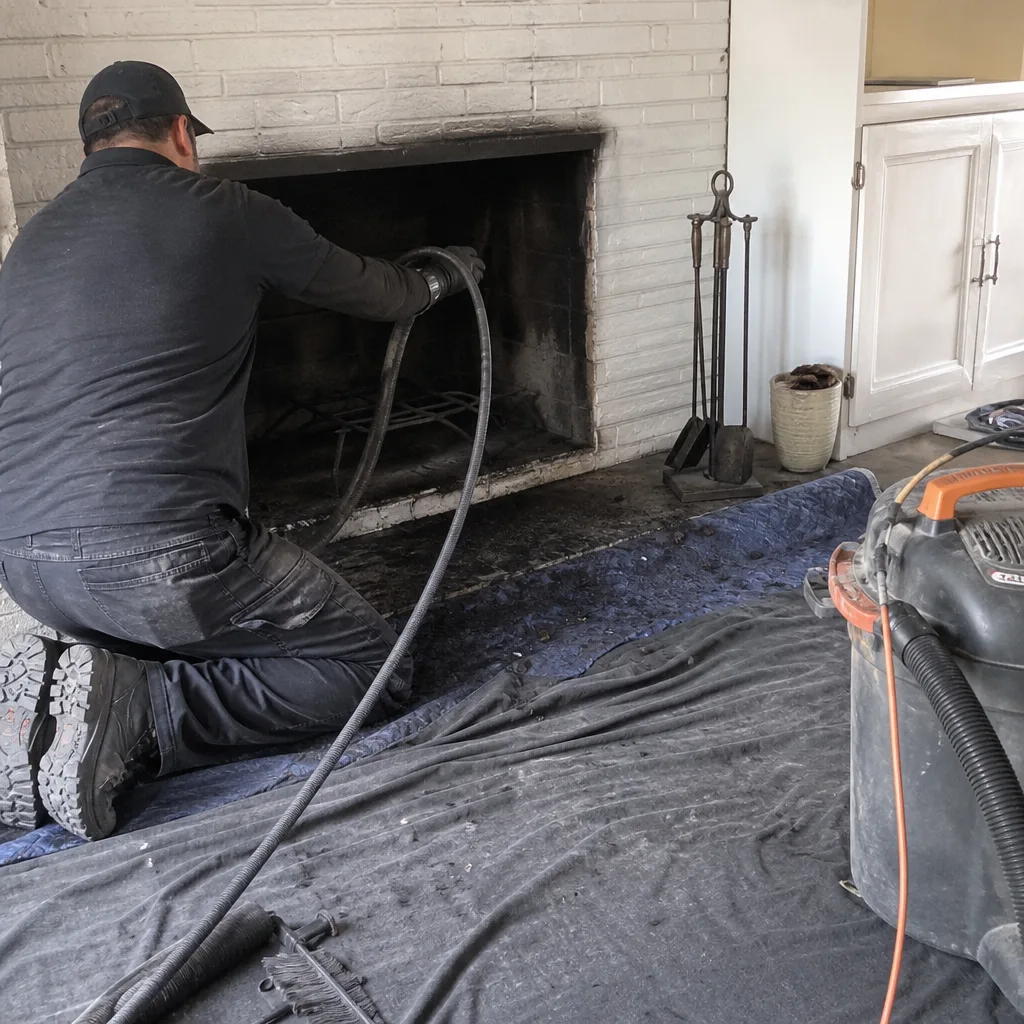 Before
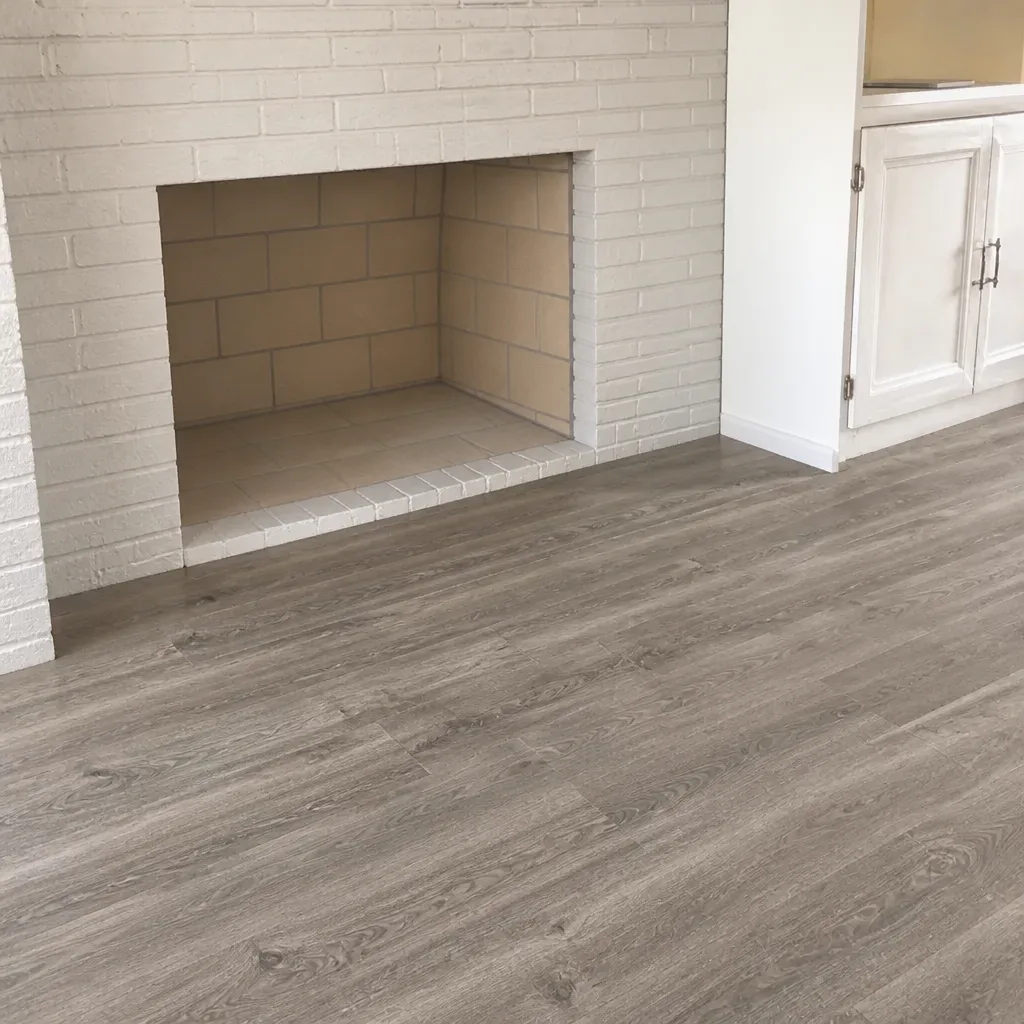 After
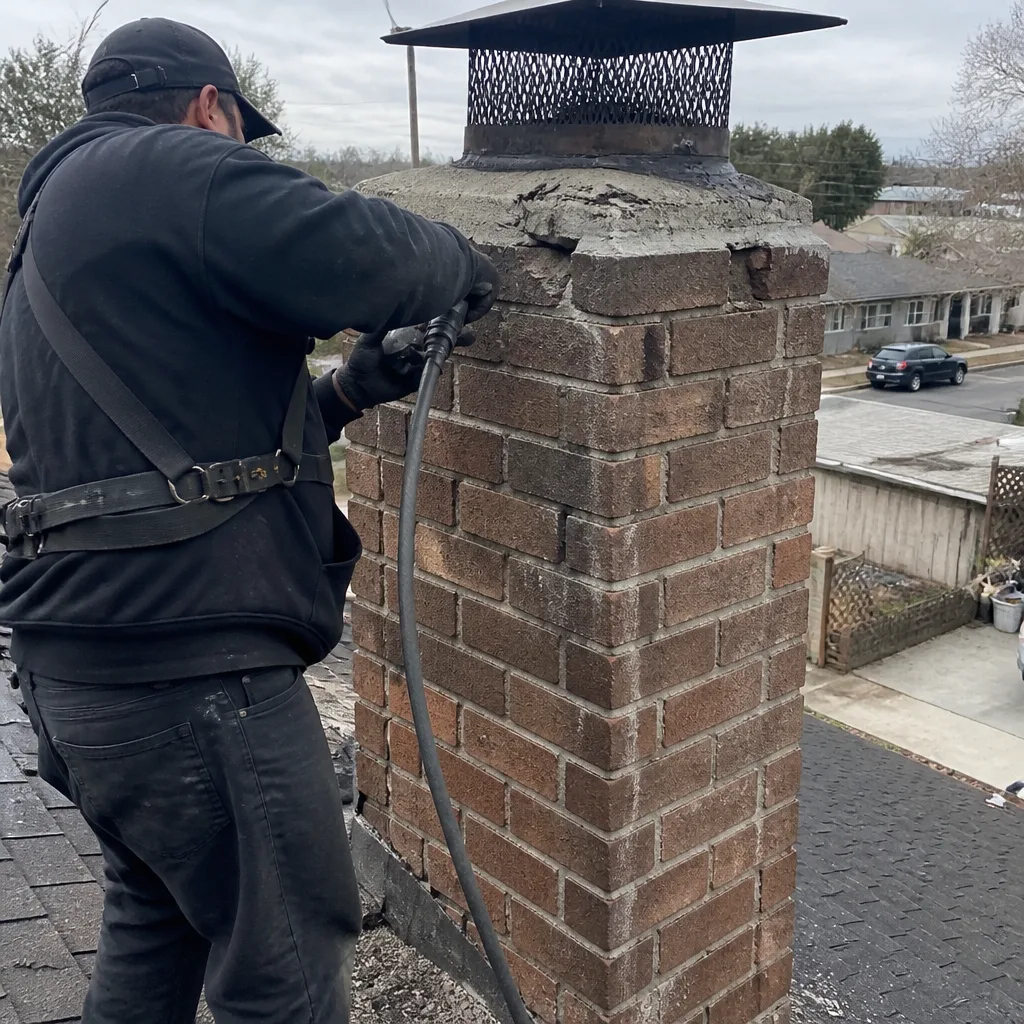 Before
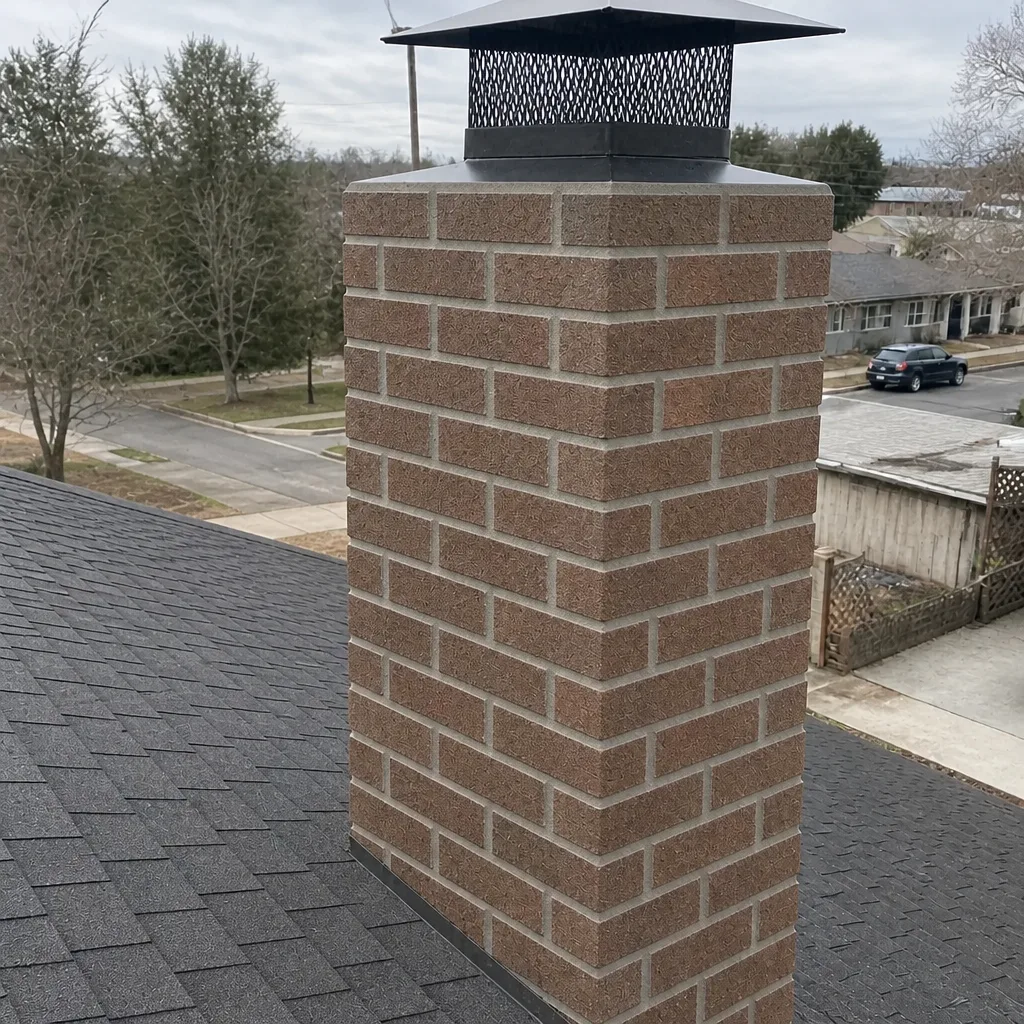 After
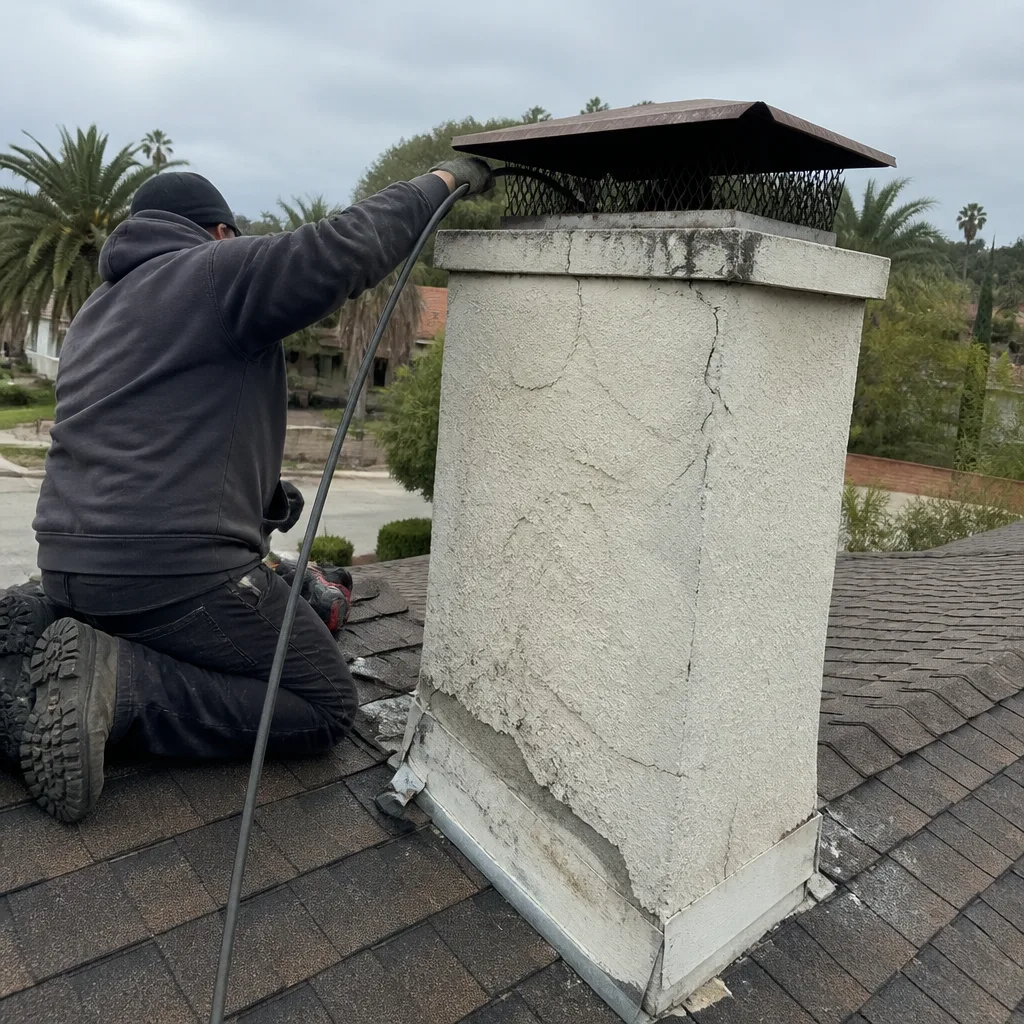 Before
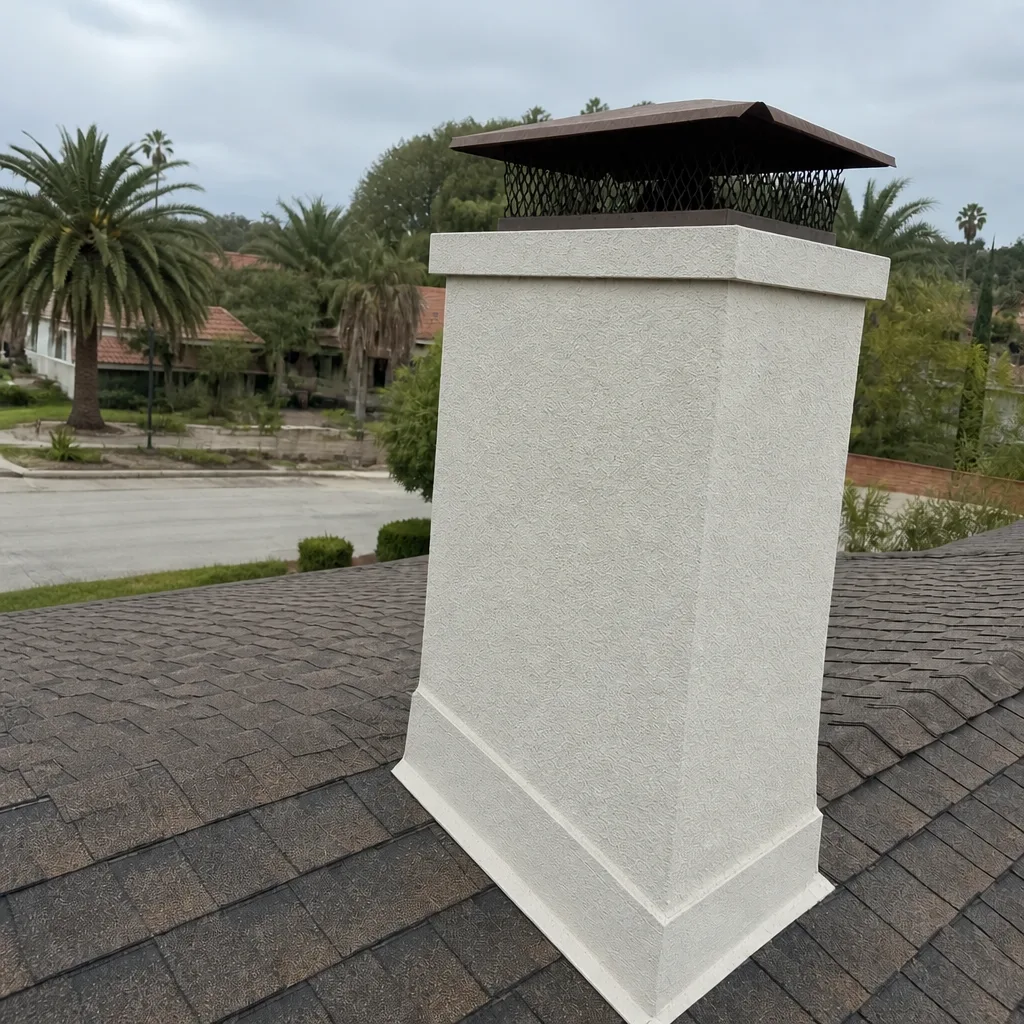 After
Frequently Asked Questions
A standard chimney sweep in Ontario costs between $189 and $379 depending on flue condition, chimney height, and accessibility. Homes with heavy Stage 3 creosote, pest removal, or structural repairs will see quotes above that range. The best way to get an exact price is a free on-site estimate. Call (833) 467-7685.
The CSIA recommends cleaning at least once per year for wood-burning fireplaces, and immediately when creosote reaches 1/8 inch thickness anywhere in the flue. Ontario’s sporadic burning patterns create denser creosote than consistent-use climates, so annual cleaning is a minimum, not a suggestion, for regular burners.
You should never accept a liner replacement recommendation without seeing camera evidence. Ask to see the video scan showing the specific crack, gap, or deterioration they’re describing. If they refuse to show you, get a second opinion. A legitimate company will show you exactly what they found, explain why it matters, and give you options that may include resurfacing rather than full replacement.
The sequence is predictable: creosote builds to Stage 2 or 3, restricts draft, and creates a fire hazard inside the flue. A chimney fire can crack the liner, which then allows combustion gases and heat to reach combustible framing. Even without a fire, a blocked or badly deteriorated flue can push carbon monoxide back into the living space. Call (833) 467-7685 for a free estimate if you’re unsure of your chimney’s current condition.
Yes. Santa Ana winds push fine ash and particulate into chimney openings, where it settles and combines with humidity to form an acidic coating that accelerates liner and mortar deterioration. After heavy fire seasons in the Ontario area, schedule an inspection even if you didn’t burn a single fire.
You can remove light Stage 1 soot with basic tools, but the reality is that meaningful creosote removal requires professional rotary equipment and containment systems. The risk of climbing onto a roof, the mess of improper containment, and the inability to see inside the flue make DIY cleaning a poor tradeoff for most Ontario homeowners. A professional sweep includes inspection and written documentation that DIY cannot provide.
The Bottom Line
Chimney cleaning in Ontario is not a checkbox service. The city’s warm winters create sporadic burning patterns that produce denser creosote than cold-climate homes. Wildfire smoke and Santa Ana winds add corrosive particulate that most sweep guides ignore. Older housing stock means a meaningful percentage of Ontario chimneys need liner work before cleaning can do its job. A proper cleaning includes the flue, the smoke chamber, and a written report with video documentation when needed. Get an annual sweep, request evidence for any repair recommendation, and burn only properly seasoned wood. Ontario Chimney handles sweeping, dryer vent cleaning in Ontario, and full chimney repair in Ontario with the same technicians from inspection through completion.
Written by the team at Ontario Chimney, serving Ontario since 2014.