
Last updated October 30, 2026
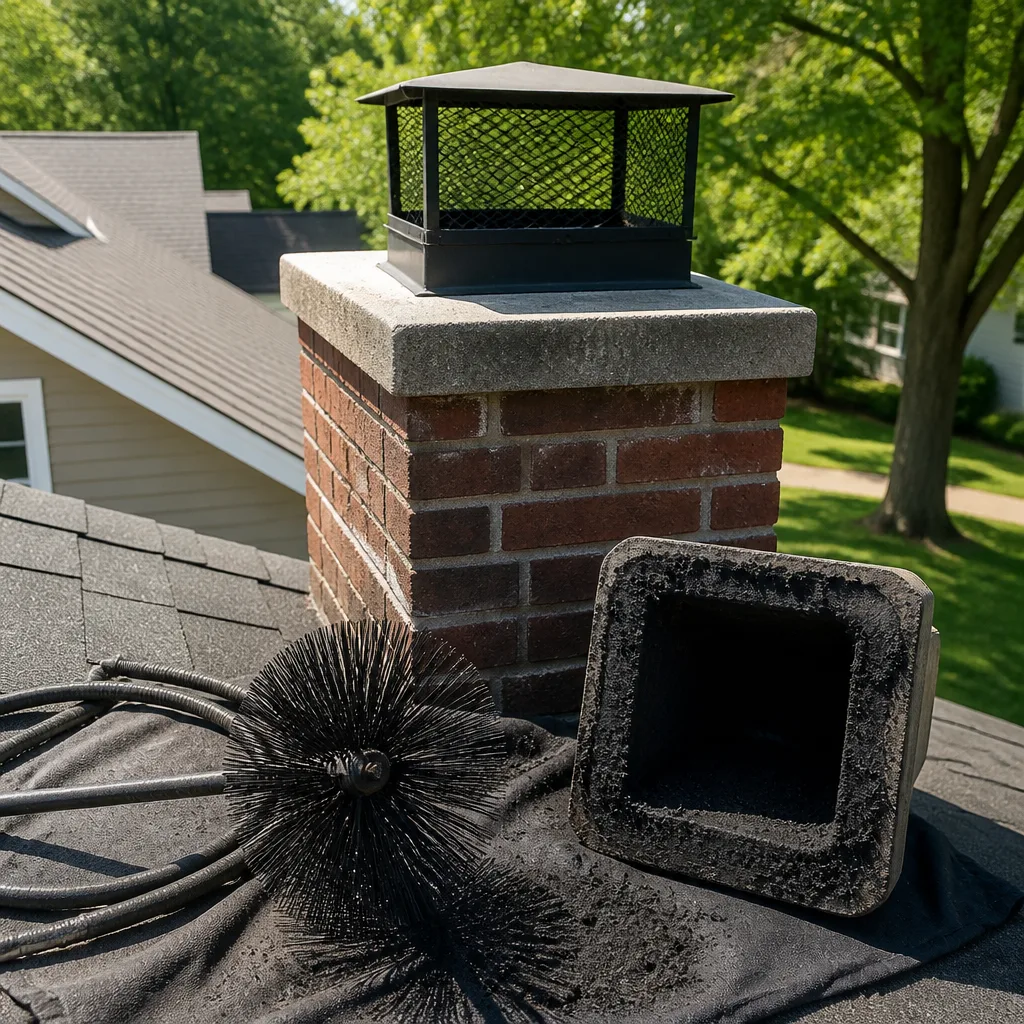 Sweep & inspection
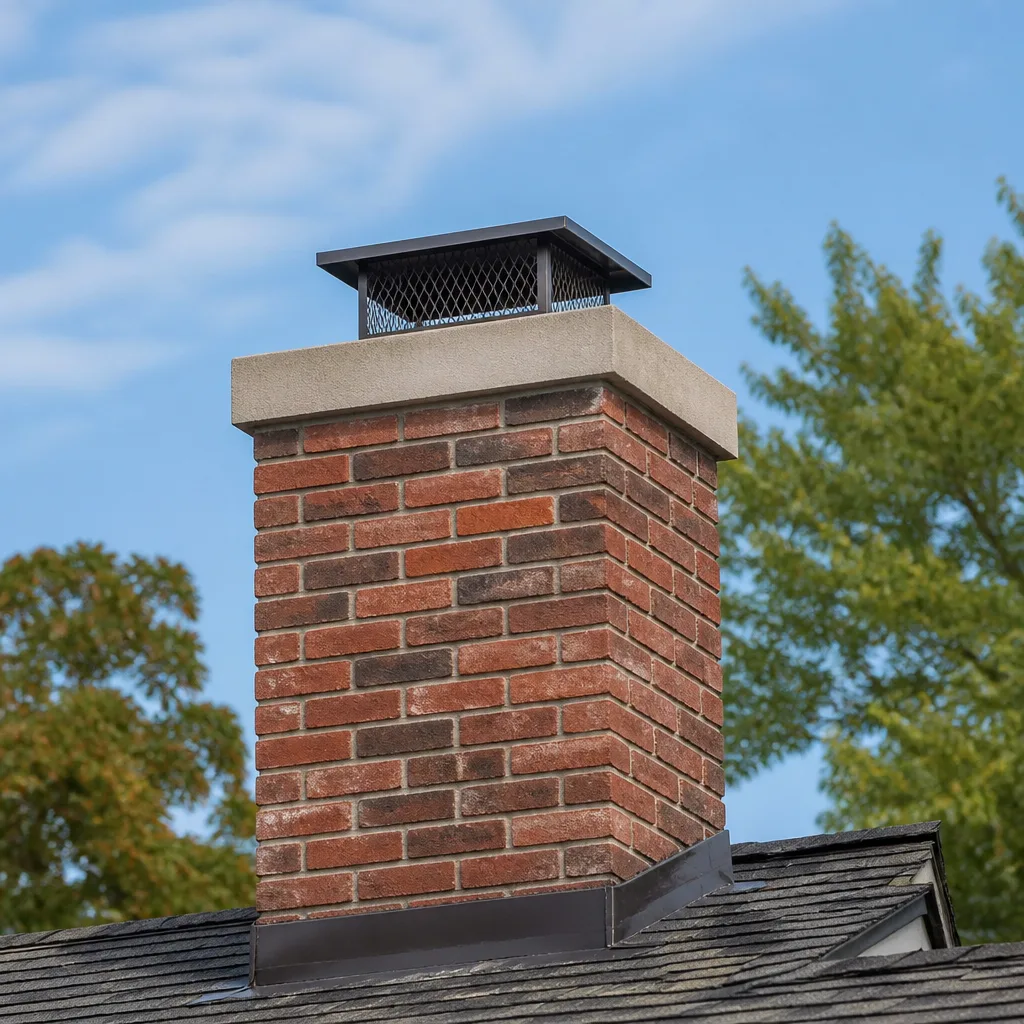 Caps & crowns
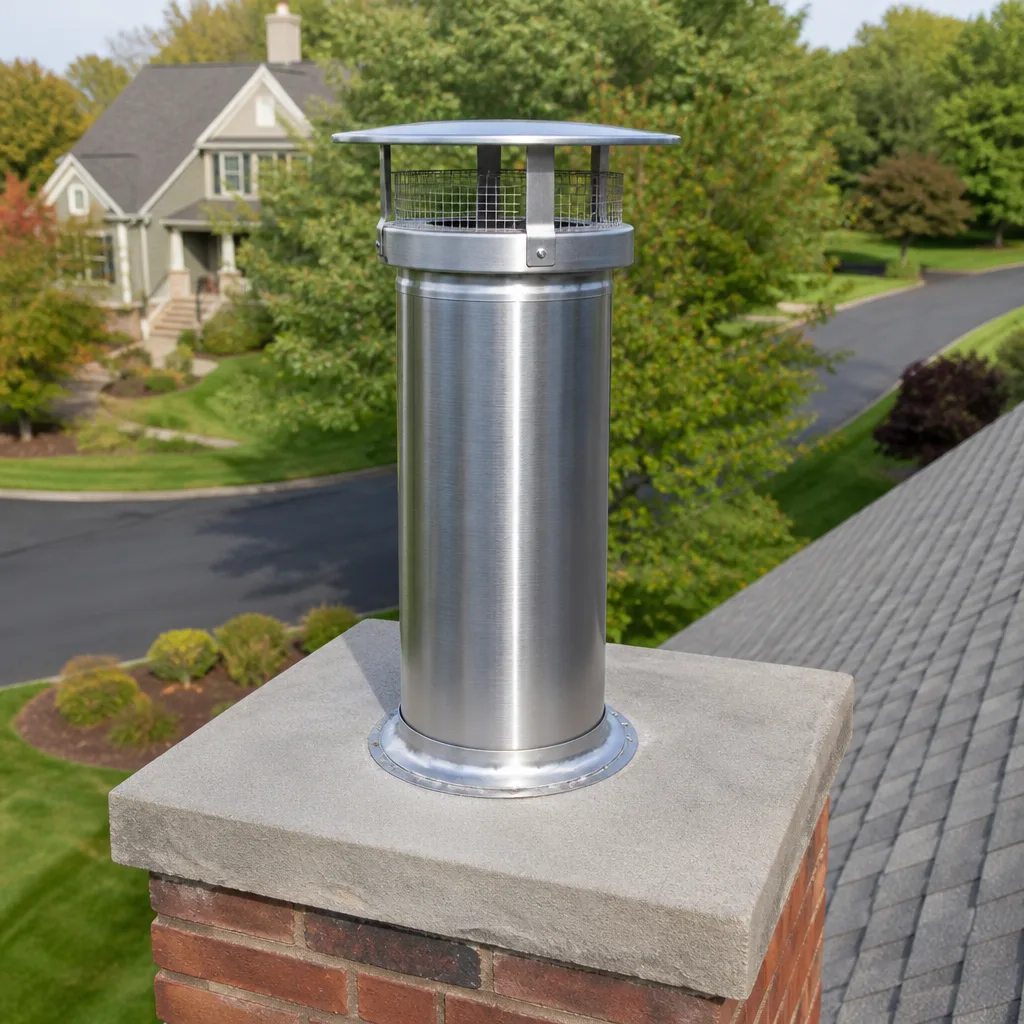 Flue relining
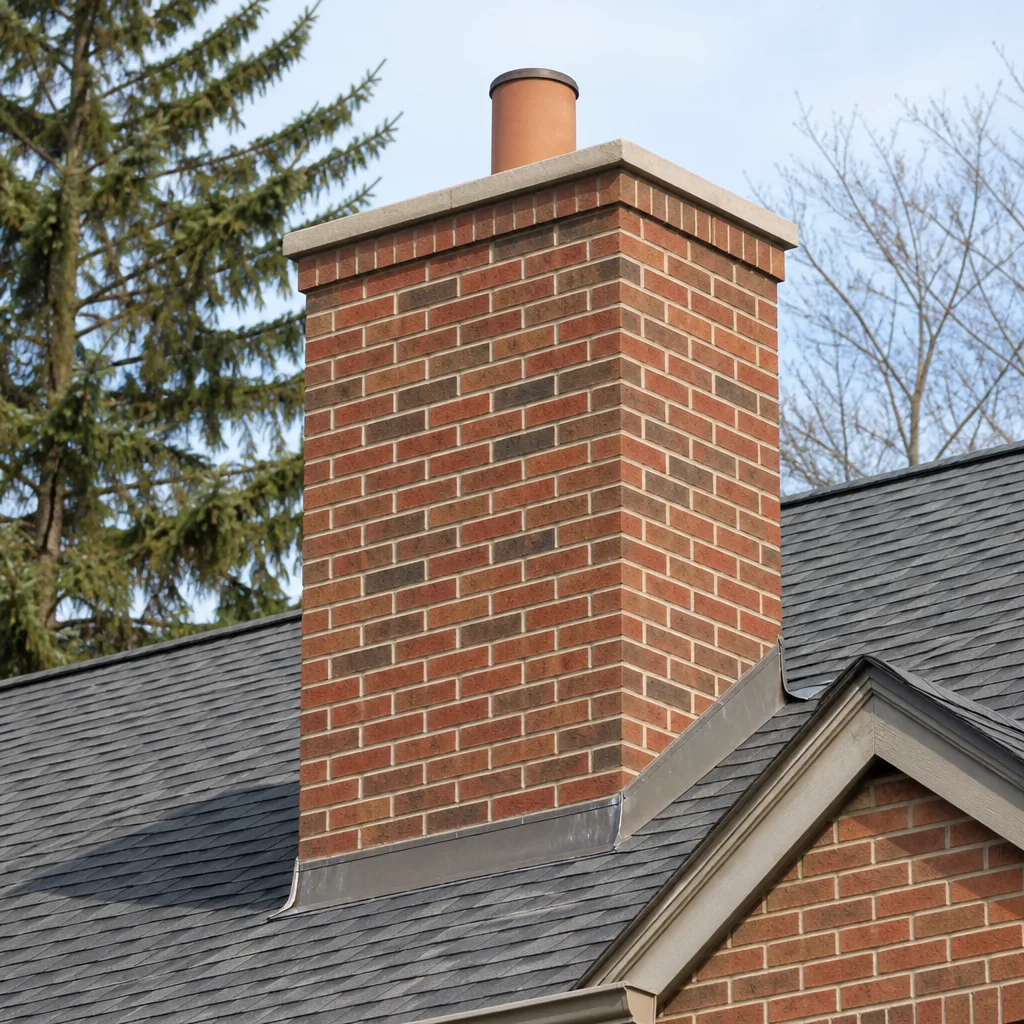 Masonry repair
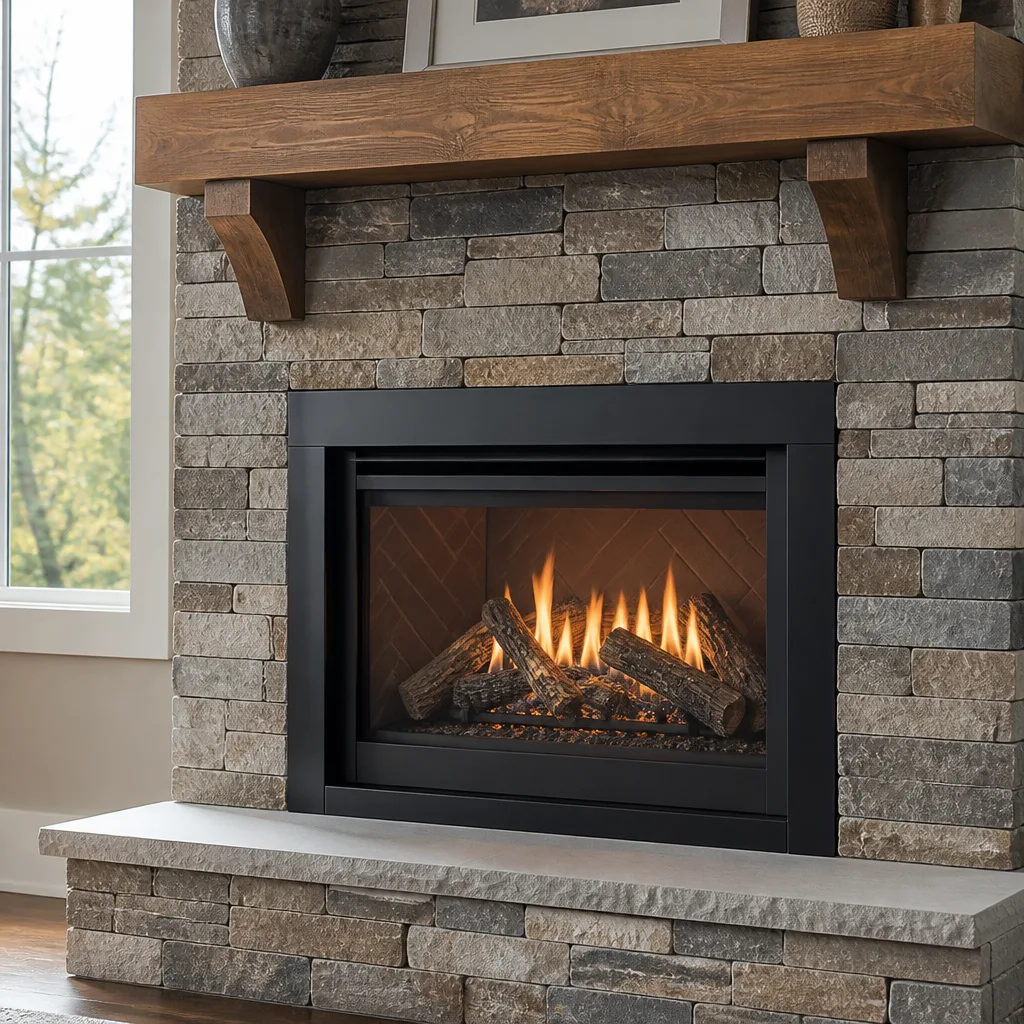 Gas fireplace service
Level 1 sweep and inspection to the NFPA 211 annual standard - flue, crown, cap, and flashing checked and photographed
Chimney sweep logs do not sweep chimneys. They loosen some creosote - which then falls where a brush and vacuum still have to collect it.
The Complete Chimney Sweep Guide for Ontario Homeowners
Ontario gets roughly 23 fireplace-burning days a year on average, mostly between Thanksgiving and Valentine’s Day. That’s it. Yet chimney fires and carbon monoxide incidents here track nearly the same per-capita rate as Vermont or Minnesota, and the reason is simple: mild-climate chimneys in Ontario are chronically under-inspected. Homeowners assume a fireplace that rarely gets used can’t be dangerous, so the flue goes five, eight, twelve years without anyone looking inside. This guide explains what actually happens inside an Inland Empire chimney, why gas and gas-log setups need just as much attention as wood burners, how South Coast Air Quality Management District rules affect your burn schedule, and what a “chimney sweep” should actually include when you pay for one. You’ll finish with a clear sense of what your chimney needs right now, what can wait, and what questions to ask before anyone sets foot on your roof.
Quick Answer
A chimney sweep in Ontario, CA typically costs $199 to $399 for a standard Level 1 inspection and cleaning, and most homes need one every one to two years depending on fuel type and usage. If you burn wood during SCAQMD-approved windows, sweep annually. If you have a gas fireplace or gas logs, inspect every one to two years even though there’s no visible soot, because corrosive condensate and debris blockages are the real failure points in Southern California’s mild climate.
Styles & brands we work with
- Sweep & inspection
- Caps & crowns
- Flue relining
- Masonry repair
- Gas fireplace service
Table of Contents
- What a Chimney Sweep Actually Includes
- Why Ontario’s Climate Changes the Rules
- Gas and Gas-Log Chimneys: Why They Still Need Inspection
- SCAQMD Rules and Burn Days: What They Mean for Your Chimney
- Level 1, Level 2, and Level 3 Inspections: Which One Do You Need?
- When to Schedule Your Sweep in Ontario
- Chimney Repair: Signs You Should Know
- Dryer Vents and Chimney Safety: The Overlooked Connection
What a Chimney Sweep Actually Includes
The phrase “chimney sweep” covers a lot of ground, and knowing the scope of work before you book will save you from paying for a brush-and-go when you actually need a camera scan. A proper sweep in Ontario should include three distinct components: cleaning, inspection, and documentation. Here’s what that looks like in practice.
Brush cleaning. This is the physical removal of creosote, soot, and debris from the flue lining. The technician runs a correctly sized wire or poly brush up and down the flue, then removes the fallen material from the smoke shelf and firebox. In Ontario’s climate, where most chimneys are used seasonally, this is usually a lighter job than in cold-climate states where hardwood fires burn all winter. But lighter doesn’t mean unnecessary. Spider webs, bird nesting material, and wind-blown debris accumulate in the Inland Empire year-round, and those blockages are just as dangerous as creosote.
Inspection. A sweep should never be just brushing. The technician should check the flue liner for cracks, gaps, and spalling with a flashlight at minimum, and with a camera for anything suspicious. They should verify the damper opens and closes fully, check the chimney cap for damage, and look at the exterior masonry for signs of water intrusion. Based on what they find, they’ll designate the chimney as Level 1, Level 2, or Level 3 inspection status, which we’ll cover in detail later.
Documentation. A professional sweep in Ontario should leave you with a written report listing what was done, what was found, and whether anything needs follow-up. If a camera scan was done, you should be able to see the images yourself. “We’ll tell you what we found, show you the evidence, and give you options” isn’t a marketing line – it’s the minimum standard for how chimney work should be communicated. Anyone who brushes your flue and disappears without a report hasn’t actually inspected anything.
What Chimney Sweep in Ontario should cover. A complete sweep in this market includes the brush cleaning, the visual inspection, the written condition report, and cleanup of the firebox area. Camera scans are sometimes included and sometimes billed as an add-on. Relining, masonry repair, cap replacement, and HeatShield resurfacing are separate repair services, not part of a routine sweep. Knowing that distinction will help you read a quote accurately.
Why Ontario’s Climate Changes the Rules
Most chimney guides you’ll find online are written for cold-climate homes burning cordwood eight months a year, and they don’t map cleanly onto Inland Empire realities. Ontario’s mild winters, low rainfall, and Santa Ana wind patterns create a completely different set of failure points.
Here’s what’s unique to our region:
- Creosote accumulation is slower, but blockages are faster. Since Ontario homeowners burn far less wood than Maine or Michigan counterparts, heavy glazed creosote is less common. What’s common instead is debris: spider egg sacs, wasp nests, bird nesting material in uncapped flues, and fine wind-blown dust that cakes onto flue walls when combined with the moisture from gas appliance exhaust.
- Santa Ana winds test chimney caps and chase covers. The high-wind events that hit Ontario between September and March can loosen or lift improperly secured caps, and the dust they carry accelerates wear on exposed metal components. After a strong Santa Ana season, we regularly find caps shifted off-center or chase covers with new gaps.
- Low rainfall masks water intrusion. Ontario averages around 14 inches of rain a year. That’s low enough that slow leaks in a chimney crown or flashing can go unnoticed for years, causing internal deterioration of the flue liner before any visible staining appears on the ceiling. By the time a homeowner sees a water spot, the chimney has often been leaking for two or three seasons.
- The freeze-thaw cycle is minor, which helps masonry. Unlike colder states, Ontario doesn’t get repeated hard freezes that wedge bricks apart. That’s good news for exterior masonry longevity, but it also means localized spalling from previous earthquakes or ground settlement is the bigger structural concern here.
Your flue handles combustion gases every time you light a fire, whether you do it 23 times a year or 230. The physics don’t scale down because the climate is mild.
Gas and Gas-Log Chimneys: Why They Still Need Inspection
This is the biggest gap in how Ontario homeowners understand chimney maintenance. There’s a widespread assumption that gas fireplaces and gas logs don’t need chimney service because they don’t produce creosote. The first part is true: gas combustion doesn’t generate the same tar-like creosote as wood. But the second part is dangerously false, and here’s why.
Gas combustion produces water vapor and mildly acidic condensate. That moisture rises through the flue and condenses on the inner walls, especially during Ontario’s cooler winter evenings when the flue is still cold during startup. Over time, this acidic condensate attacks the flue liner, causing:
- Deterioration of clay tile liners. The acidic moisture eats at mortar joints first, then begins flaking the surface of clay tiles. Left unaddressed, gaps form between tiles, which allows combustion gases to migrate into the wall cavity and eventually into living space.
- Corrosion of metal chimney components. In prefabricated chimneys, the galvanized or stainless components exposed to condensate can rust through faster than expected – especially in the low-rainfall Inland Empire, where the corrosion isn’t washed away by weather and continues accumulating.
- Blockages from spiders and insects. Ontario’s warm climate is spider friendly, and gas chimney flues are a favorite nesting spot. Black widow and common house spider webs can completely block a flue that isn’t used for months at a time, especially once wind-blown dust sticks to the silk. When fall arrives and the gas log lights up, that blockage prevents proper draft and pushes carbon monoxide back into the home.
If you have a gas fireplace or vented gas logs in Ontario, inspect the chimney every one to two years. Not because of soot – because of condensate damage and blockages that develop while you’re not looking. The cost of a gas-log inspection is a fraction of the cost of a flue relining job that could have been prevented.
SCAQMD Rules and Burn Days: What They Mean for Your Chimney
Ontario falls under the jurisdiction of the South Coast Air Quality Management District, which enforces mandatory wood-burning curtailment on days when particulate pollution is forecast to exceed safe levels. From November through the end of February, the SCAQMD issues daily “No-Burn” alerts for residential wood burning in fireplaces. During a No-Burn day, burning wood or manufactured fire logs is prohibited in Ontario unless the household has no other source of heat or the property is above 3,000 feet elevation (which applies to portions of the San Gabriel foothills within the SCAQMD’s jurisdiction, not to Ontario proper).
What does this mean for chimney maintenance? Several things.
Burn days are clustered, not random. In a typical Inland Empire winter, No-Burn days cluster around high-pressure weather systems that trap particulates in the basin. That means Ontario homeowners burn most during low-pressure weather windows when air quality clears – often after rain or strong wind events. Those same wind events deposit more debris into uncapped chimneys, so the flue starts the next burning season with more blockage potential than it ended the last one with.
Infrequent burning doesn’t reduce the need for inspection. Some Ontario homeowners go an entire winter with fewer than a dozen legal burn days. That’s a lot of time for the flue to sit unused, accumulating whatever comes down the chimney. The creosote buildup is lower, but the likelihood of finding a foreign object in the flue on the first burn of the season is higher.
Gas logs remain the most reliable option. Because gas log sets aren’t subject to SCAQMD curtailment rules, many Ontario homeowners convert wood fireplaces to gas. But as we covered above, gas brings its own maintenance needs. If you’ve made that switch, your annual maintenance moves from “sweep for creosote” to “inspect for condensate corrosion and blockage” – a different service with different priorities.
Level 1, Level 2, and Level 3 Inspections: Which One Do You Need?
The Chimney Safety Institute of America (CSIA) defines three levels of chimney inspection, and the level your Ontario home needs depends on what’s changed since the last time anyone looked at the flue. Here’s the breakdown.
Level 1 Inspection. This is the standard inspection performed during a routine sweep when the chimney is being used in the same way as before, and no changes have been made to the system. The technician inspects the readily accessible portions of the chimney interior and exterior with a flashlight, checks the basic condition of the flue liner, damper, and cap, and verifies there are no obvious obstructions. This is the right level for annual or biannual maintenance on a chimney that’s been in continuous use. A standard sweep in Ontario includes a Level 1 inspection by default.
Level 2 Inspection. This is required when a property is being sold or transferred, when the chimney has been subjected to a significant weather event, fire, or earthquake, or when the fuel type is being changed (for example, wood to gas). A Level 2 inspection includes everything in Level 1 plus a video camera scan of the entire flue interior, an inspection of accessible attic, crawlspace, and basement areas where the chimney passes through, and a check of the exterior clearance to combustibles. If you bought a home in Ontario in the last five years and don’t have camera footage of the flue from a pre-purchase inspection, that chimney is a candidate for a Level 2 inspection before your first burn.
Level 3 Inspection. This is the most invasive level, required when a Level 1 or Level 2 inspection reveals a hidden hazard that can’t be fully evaluated without removing components of the building – typically opening up wall or ceiling material to access a concealed portion of the chimney. Level 3 inspections in Ontario are most often triggered by suspected flue leakage found on camera, visible water damage in the ceiling around the chimney chase, or evidence of a chimney fire that compromised the flue liner.
The 2019 – 2023 wind season in the Inland Empire brought several significant Santa Ana events to Ontario. Any chimney exposed to sustained wind events of that magnitude should be evaluated at Level 2 before the next burning season, even if no visible damage is apparent from the ground. A shifted cap or torqued chase cover can be invisible from below and obvious on camera.
What most Ontario homes actually need:
- Annual Level 1 inspection with sweep for wood-burning chimneys in regular seasonal use.
- Level 1 or Level 2 inspection every one to two years for gas and gas-log chimneys, with the first inspection after moving in being a Level 2 if no prior documentation exists.
- Level 2 inspection after any major wind event that could have damaged the cap, crown, or chase cover.
- Level 2 inspection as part of any real estate transaction in Ontario, regardless of what the seller’s disclosure says.
- Level 3 inspection only when a Level 1 or Level 2 has already found evidence of a concealed problem that requires opening up wall or ceiling areas.
When to Schedule Your Sweep in Ontario
Every September and October, Ontario chimney companies are booked solid. Every January through March, they’re cleaning up the backlog of emergency calls from homeowners who discovered a problem during their first fire of the season and had to wait weeks for an available appointment. Here’s the scheduling wisdom that guides companies in this market, and it’s simple: spring is smarter.
Fall is crowded because of habit, not need. Most homeowners think about the chimney when the temperature drops and the first fire of the season feels imminent. They call, they wait, and they pay premium scheduling rates if they need a specific time. There’s nothing wrong with a fall sweep, but it’s the highest-demand window.
Spring is ideal for Ontario’s climate. The Santa Ana wind season typically ends by mid-March. Spring is when we can inspect the flue after a full season of wind, debris, and whatever burn activity occurred, then address any findings before the dormant summer months. You’ll have your pick of appointment times, and any repairs needed can be scheduled in the low-demand season when crews are less constrained.
Summer works for gas log owners. If you have gas logs, the chimney hasn’t been in use since winter, and summer is a low-demand season for chimney companies in Ontario. The inspection will reveal any condensate damage from the previous season and any insect or debris blockages that accumulated during the spring. You’ll enter the fall with a documented, clean flue and no scheduling anxiety.
Any time after a major storm. If a significant Santa Ana event rolls through Ontario and you hear wind-driven debris hitting the roof, schedule a Level 2 inspection regardless of the month. The same goes for any earthquake that’s strong enough to rattle dishes – chimneys are one of the first structural components to show stress.
A note on annual timing. If you burn wood during SCAQMD-approved windows each winter, the chimney should be swept once a year at minimum. The timing of that sweep matters less than the consistency. If you go two years without a sweep, you’ve doubled the window for a blockage to develop unnoticed.
Chimney Repair: Signs You Should Know
Not every issue found during a sweep requires immediate repair. Some can wait a season or two with no meaningful risk. Others can’t. Here’s how we think about the difference, and what we’ve seen across Ontario’s housing stock.
Signs that shouldn’t wait:
- Visible smoke entering the living space. This is never normal. If smoke backs up into the room during use, something is wrong immediately – a blockage, a draft problem, or a liner failure. Stop using the fireplace until a professional has inspected it.
- Carbon monoxide detector activation. If a CO alarm sounds during or after fireplace use, the flue is not carrying combustion gases out of the home. This is an emergency repair situation, not a scheduling priority.
- Crumbling or flaking flue liner visible during inspection. Clay tile liners in Ontario homes occasionally show spalling from acidic gas condensate. Once tiles begin failing, combustion gases can access the space between the liner and the masonry, and the chimney needs relining or resurfacing.
- Missing or visibly displaced chimney cap. A cap that’s shifted or gone leaves the flue open to rain, birds, and debris. In Ontario’s Santa Ana wind season, a missing cap can fill a flue with dust and debris in a single wind event.
Signs that can often wait, with monitoring:
- Minor surface rust on exposed metal components. Surface rust on a chase cover or cap can be addressed in the spring. If rust has penetrated through the metal, that’s a different story and needs attention sooner.
- Hairline cracks in exterior masonry. Small cracks in brick veneer are common in Ontario and usually cosmetic rather than structural. They should be sealed before the rainy season, but they don’t require emergency response.
- Damper that’s stiff but functional. If the damper still opens and closes fully but requires effort, it can be cleaned and lubricated at the next service. If it won’t close or won’t stay open, that needs repair sooner.
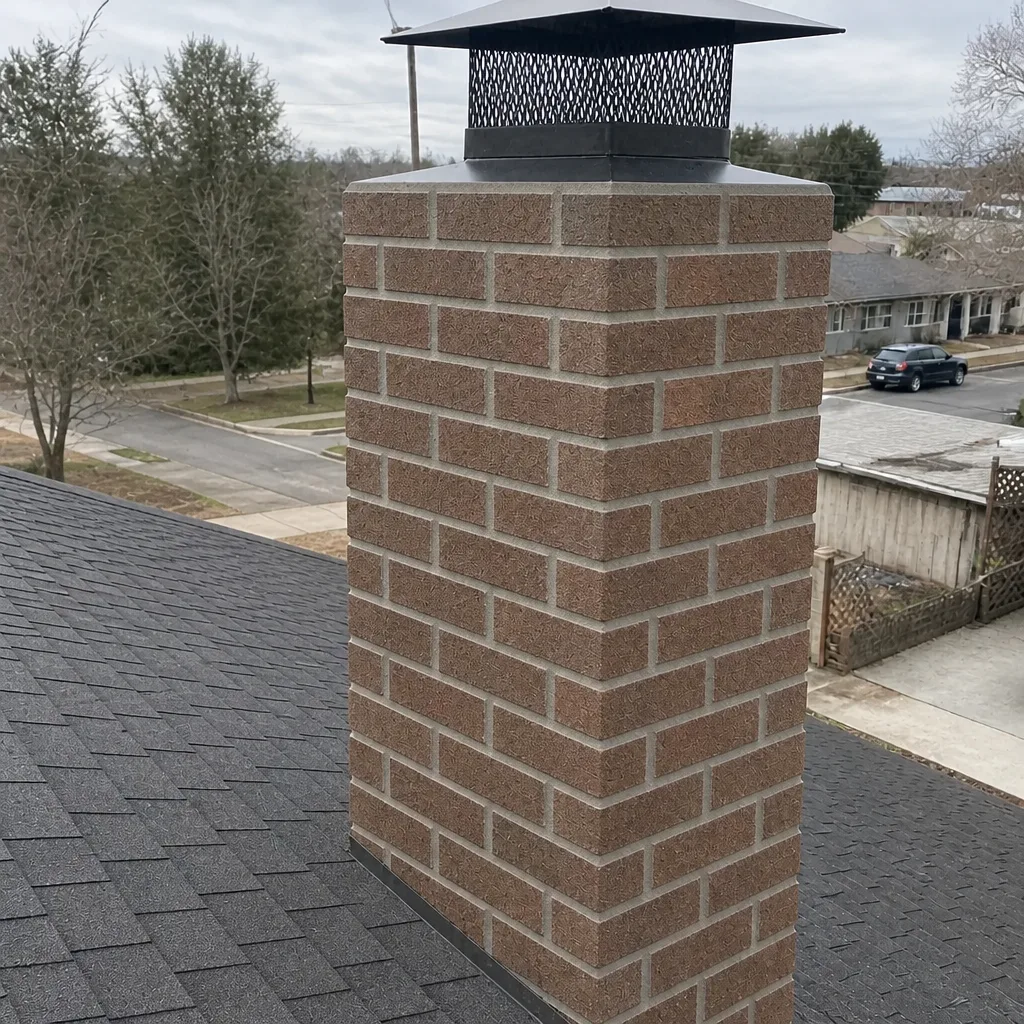
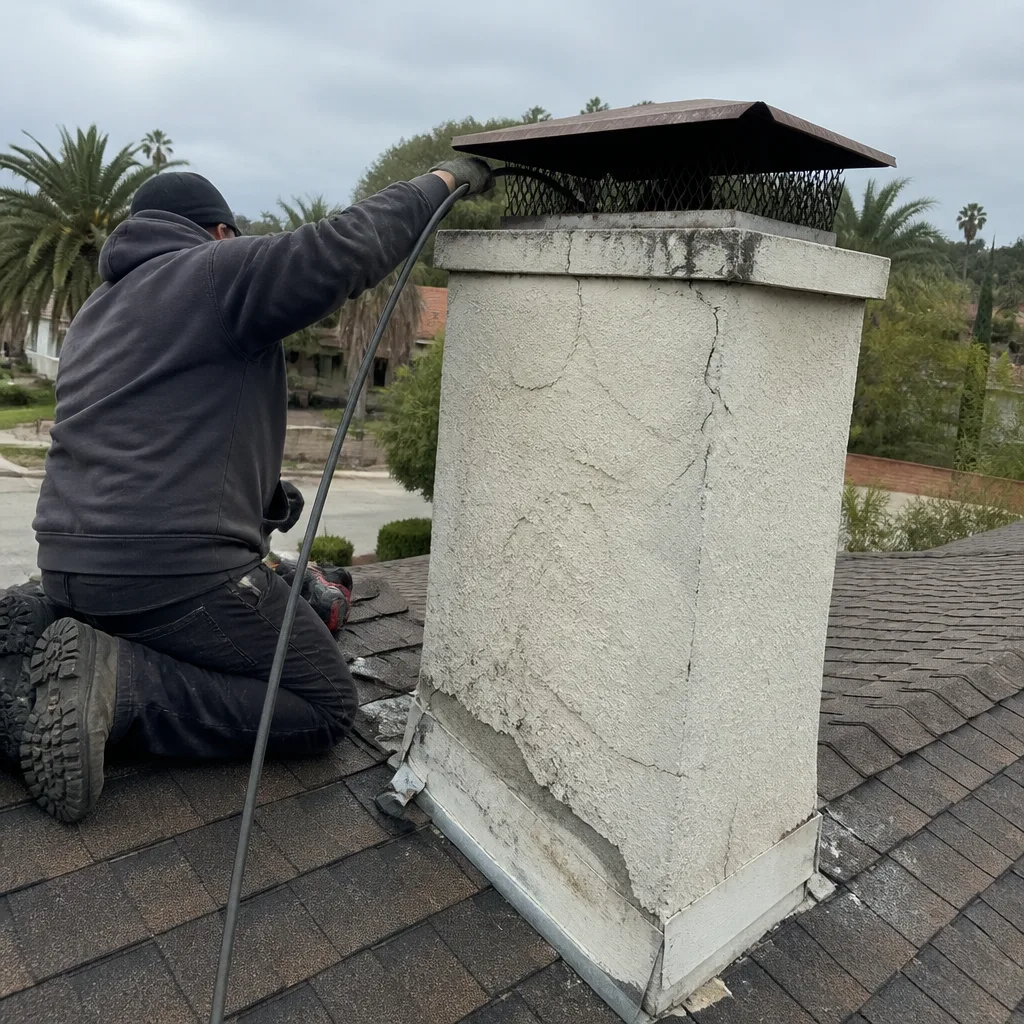
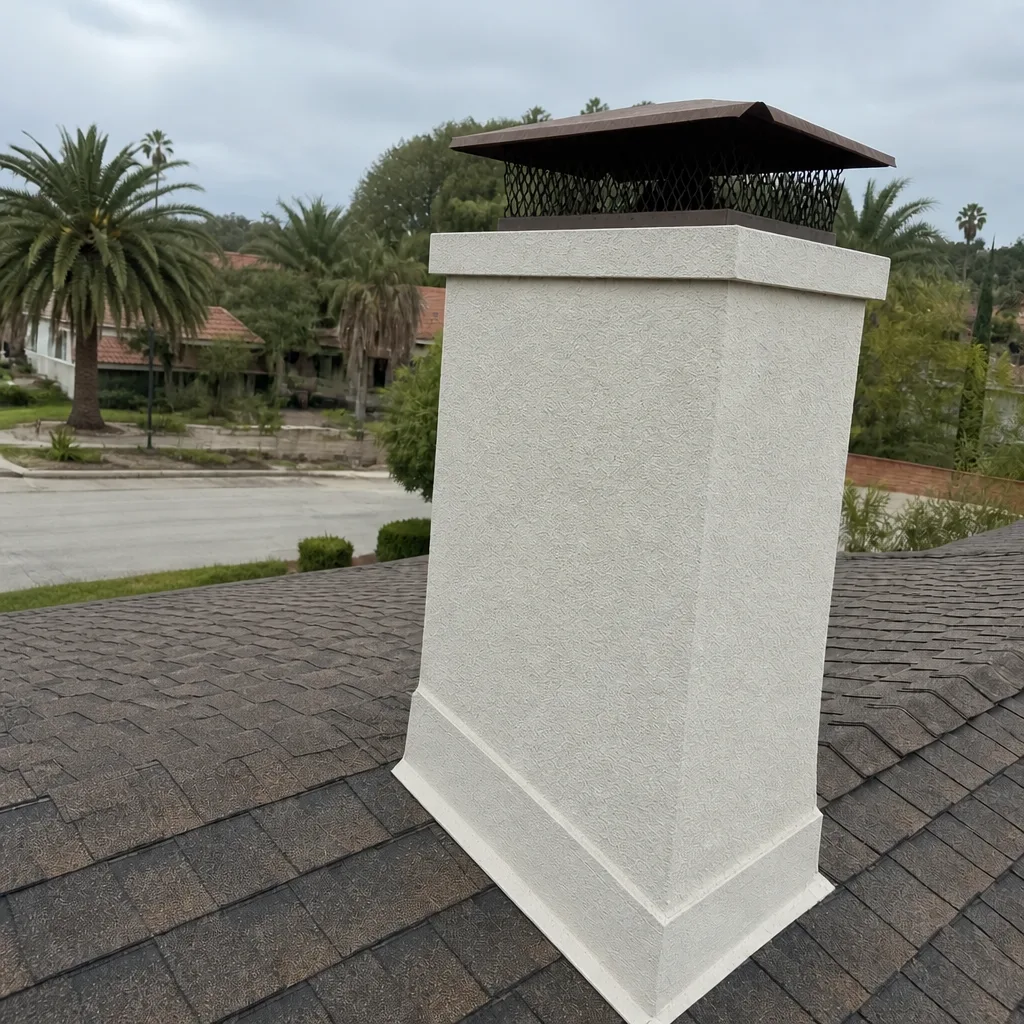
When repairs are needed, we use materials the industry actually specifies. For relining, we install Chimney Repair in Ontario solutions using DuraFlex flexible stainless steel liner systems, which navigate the offset flues common in two-story Ontario homes without tearing apart masonry. For flues with localized lining damage that hasn’t compromised the entire system, we offer HeatShield ceramic resurfacing as an alternative to full liner replacement. The difference matters: HeatShield restores the existing flue to code-compliant condition at a fraction of the cost and disruption of a tear-out relining job.
Dryer Vents and Chimney Safety: The Overlooked Connection
We’re including this section because the same principles that make a chimney dangerous apply to dryer vents, and the two are rarely discussed together despite being part of the same home venting system. Ontario Chimney is a full-service venting company, which means we clean dryer vents as a standalone fire-safety service. Here’s why it belongs in a chimney guide.
According to the National Fire Protection Association (NFPA), clothes dryers are responsible for approximately 15,970 home structure fires per year in the United States, and the leading cause is failure to clean the dryer vent. Lint accumulates in the duct behind the dryer and in the vent run through the wall, restricting airflow. The dryer then runs hotter, the lint reaches ignition temperature, and a fire starts inside the wall cavity.
The connection to chimney work is direct. Both systems rely on the same principle: heated air carrying particulate matter moves through a narrow passage, and the particulate deposits on the walls of the passage over time. In a chimney, it’s creosote. In a dryer vent, it’s lint. Both burn. Both are prevented by the same solution: regular professional cleaning.
In Ontario, where many homes have dryers running year-round in a low-humidity climate, dryer vent cleaning should be done every one to two years depending on household size and dryer usage. A home with four or more residents doing multiple loads a week should be closer to annual. The Dryer Vent Cleaning in Ontario service includes disconnecting the dryer, cleaning the full vent run with rotary brushes, checking the exterior vent hood for proper closure, and verifying the airflow meets manufacturer specifications.
“Dryer vents are a leading cause of house fires; cleaning them is maintenance, not optional” – this is the same principle we apply to chimneys. The risk doesn’t disappear because the appliance isn’t a fireplace.
Common Mistakes to Avoid
- Assuming gas fireplaces don’t need chimney service. Gas combustion produces acidic condensate that deteriorates liners over time, and flues sit unused through Ontario’s warm months accumulating debris. Skipping inspection because there’s no soot is the most common mistake we see.
- Using a pressure-wash company or handyman that “also does chimneys.” Chimney sweeping requires specialized knowledge of flue systems, inspection protocols, and safety standards. Ontario Chimney home services are limited to chimney and venting work, so the technician you get is trained specifically for this trade.
- Burning wood on SCAQMD No-Burn days. Ontario residents can face fines for burning wood during mandatory curtailment periods. Check the daily No-Burn alert before lighting a fire, and respect the restriction even if the fire feels small.
- Skipping the chimney cap. An uncapped flue in Ontario invites birds, debris, and rainwater year-round. A cap is one of the least expensive components in the chimney system and prevents the most expensive problems.
- Waiting until something goes wrong to schedule service. By the time a carbon monoxide detector sounds or smoke backs into the room, the chimney has already failed. Annual inspection prevents the crisis instead of responding to it.
- Assuming a home inspection covered the chimney. Standard real estate home inspections in Ontario include a visual check of the fireplace, but not a camera scan of the flue. A Level 2 inspection is the only way to actually see the inside of the flue before you commit to the purchase.
- Ignoring the dryer vent because the dryer still works. A dryer that takes longer to dry clothes is telling you the vent is restricted. The fire risk increases every month that restriction remains unaddressed.
See the difference
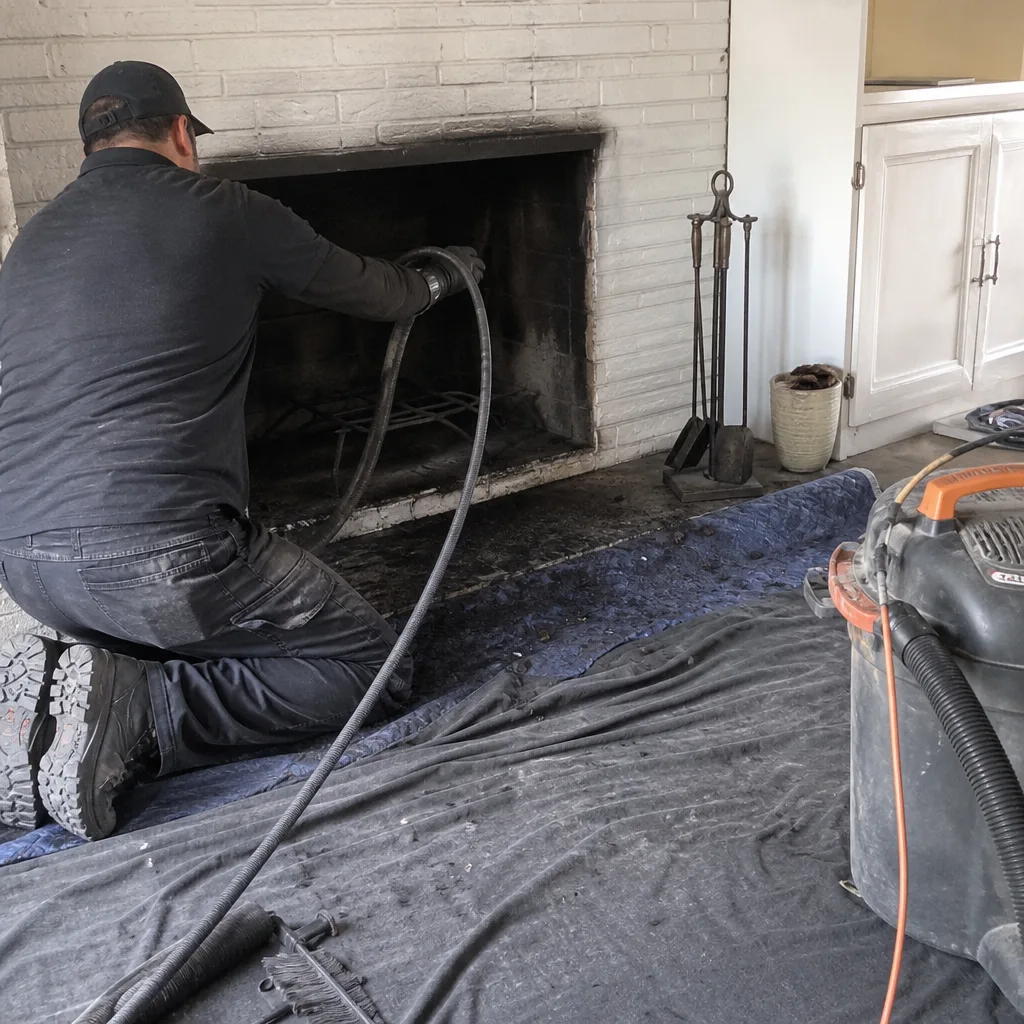 Before
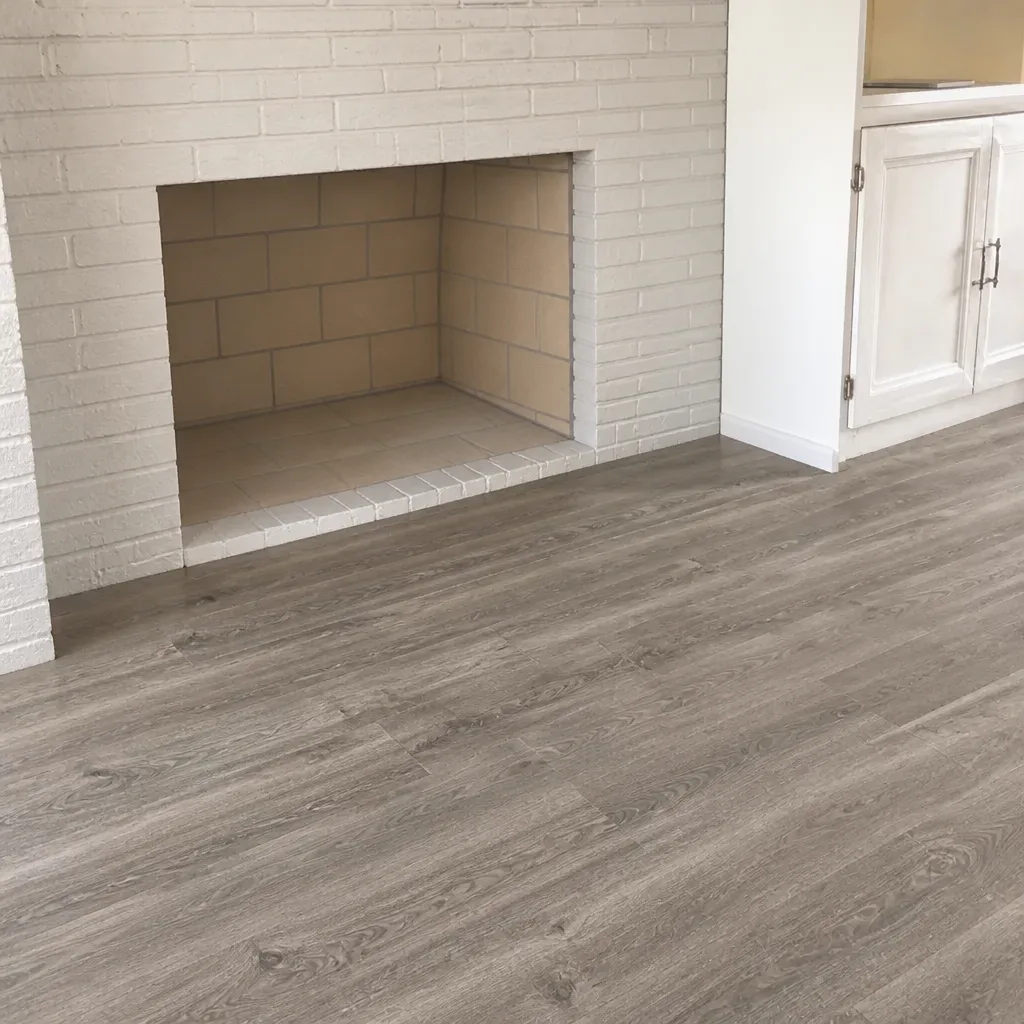 After
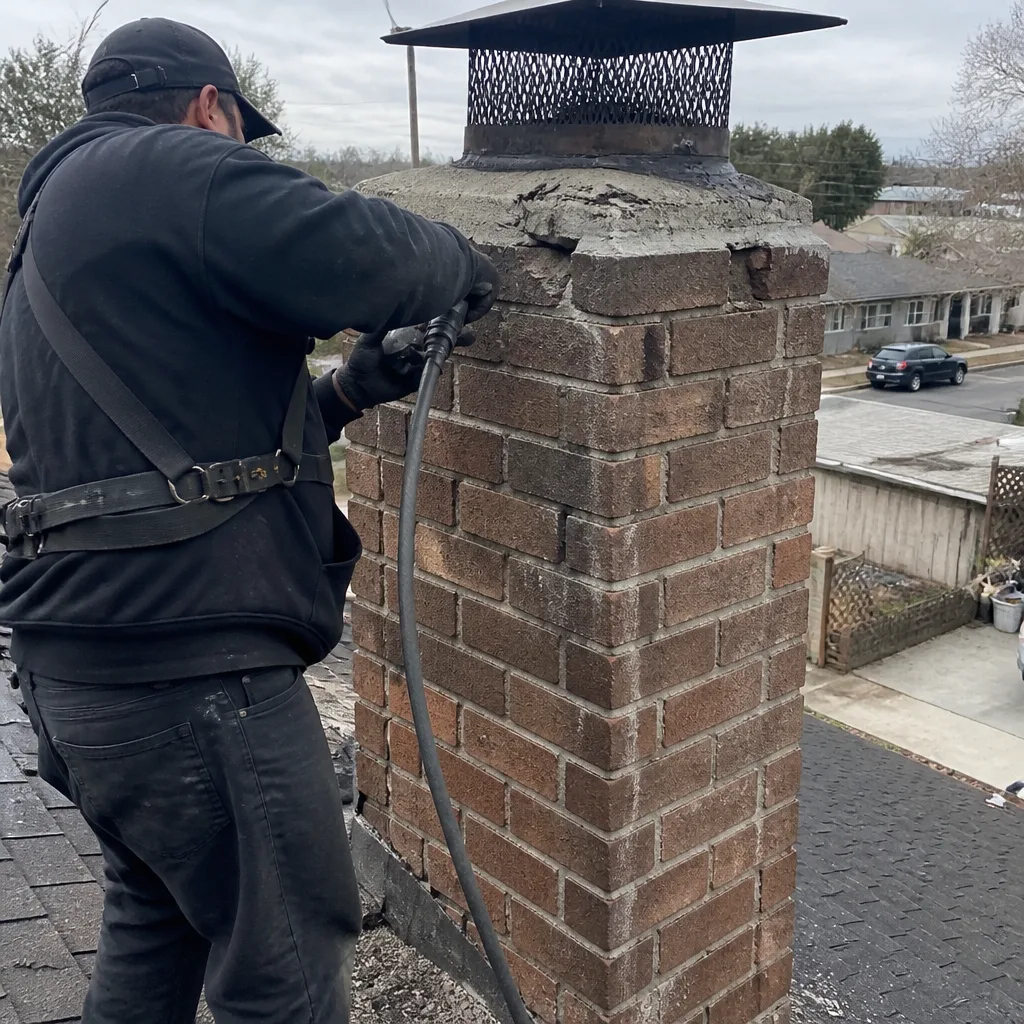 Before
 After
 Before
 After
When to Call a Professional
Call a chimney professional when you first move into a home with any type of fireplace, before the first burn of the season if you haven’t had the flue inspected in over two years, after any major wind or earthquake event, when you notice white staining on exterior masonry (efflorescence signals water movement), when you smell something from the fireplace when it isn’t in use, or when your carbon monoxide detector activates during or after appliance use. These are all situations where the risk belongs to a trained technician with the right equipment. Ontario Chimney offers free estimates in Ontario – call (833) 467-7685 and we’ll assess what your chimney actually needs, show you the evidence, and give you straight answers about what can wait and what can’t.
Frequently Asked Questions
A standard chimney sweep with a Level 1 inspection in Ontario typically costs $199 to $399 depending on chimney height, accessibility, and whether a roof access is required. A Level 2 inspection with video camera scanning typically runs $399 to $699 standalone or $499 to $799 when combined with a sweep. Call (833) 467-7685 for an exact quote – estimates are free.
Wood-burning chimneys should be swept every one to two years in Ontario, with annual sweeping recommended if you burn during every SCAQMD-approved window in the season - see our DIY vs Professional Chimney Cleaning: The Ontario Homeowner’s Decision Guide to help choose your approach. Gas and gas-log chimneys should be inspected every one to two years, with the primary concerns being condensate corrosion and debris blockages rather than creosote.
Not always. Some flues with localized damage can be restored with HeatShield ceramic resurfacing, which brings a clay tile flue back to code-compliant condition without a full tear-out. The only way to know whether your chimney needs relining or can be resurfaced is with a Level 2 camera inspection that documents the actual condition of the liner. We’ll show you the footage and explain the options before any recommendation is made. Call (833) 467-7685 to schedule.
The most common outcome in Ontario is gradual blockage. Debris, spider webs, and dust accumulate in the flue during the months the fireplace sits unused, and when you finally light a fire, the blocked flue prevents exhaust from venting properly. This forces smoke and carbon monoxide back into the living space. In rare cases, accumulated creosote or debris ignites and produces a chimney fire. Both are prevented by annual or biannual inspection.
No. From November through February, the South Coast Air Quality Management District issues mandatory No-Burn alerts on days when residential wood burning would push particulate pollution over safe thresholds. During a No-Burn day, burning wood or manufactured logs in your fireplace is prohibited in Ontario. Check the SCAQMD’s Check Before You Burn map before lighting any wood fire in the winter months.
The smell is usually dust, spider webs, or debris that accumulated in the flue during months of disuse burning off when the fireplace first ignites. In some cases it’s a sign of a blocked flue preventing proper draft. If the smell persists beyond the first few minutes or is accompanied by any visible smoke, stop using the fireplace and schedule an inspection, or browse our more guides & resources for additional help. Call (833) 467-7685 and we’ll determine whether it’s a simple cleaning issue or a venting problem that needs repair.
The Bottom Line
Ontario’s climate creates a specific set of chimney maintenance needs that generic guides written for cold-climate markets don’t address. Gas and gas-log chimneys need inspection for condensate corrosion and debris blockages even without visible soot. SCAQMD No-Burn days restrict when wood can be burned, and the gaps between burn days allow more debris to accumulate than most homeowners expect. Santa Ana winds damage caps and chase covers, and low rainfall masks water intrusion that deteriorates flues from the inside. The smart schedule is simpler than it sounds: annual inspection for wood burners, every one to two years for gas setups, Level 2 after any major wind event or home purchase, and spring scheduling to avoid the fall rush. Ontario Chimney handles sweeping, inspection, dryer vent cleaning, and repair from start to finish, using professional-grade materials like DuraFlex and HeatShield. If you’re not sure what your chimney needs, call (833) 467-7685 and we’ll help you figure it out.
Written by the team at Ontario Chimney, serving Ontario since 2014.