
Last updated October 30, 2026
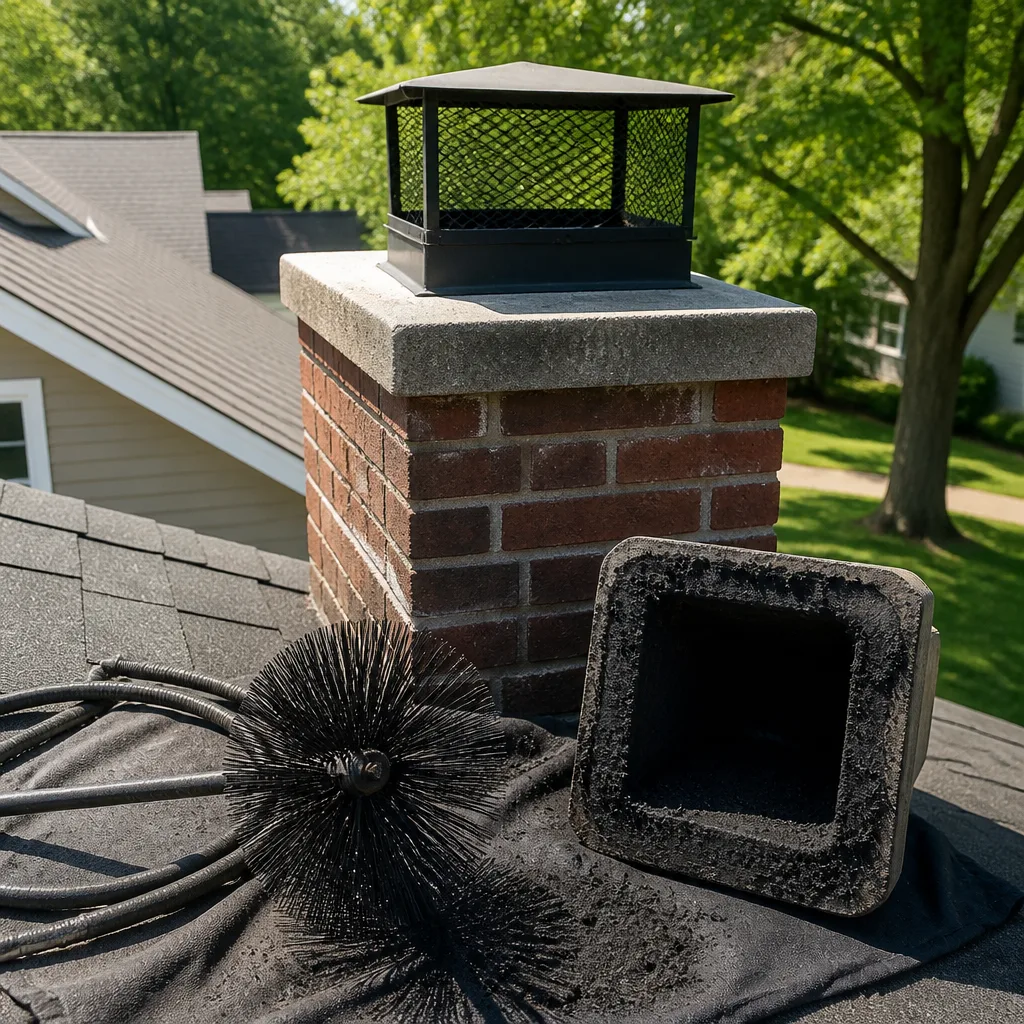 Sweep & inspection
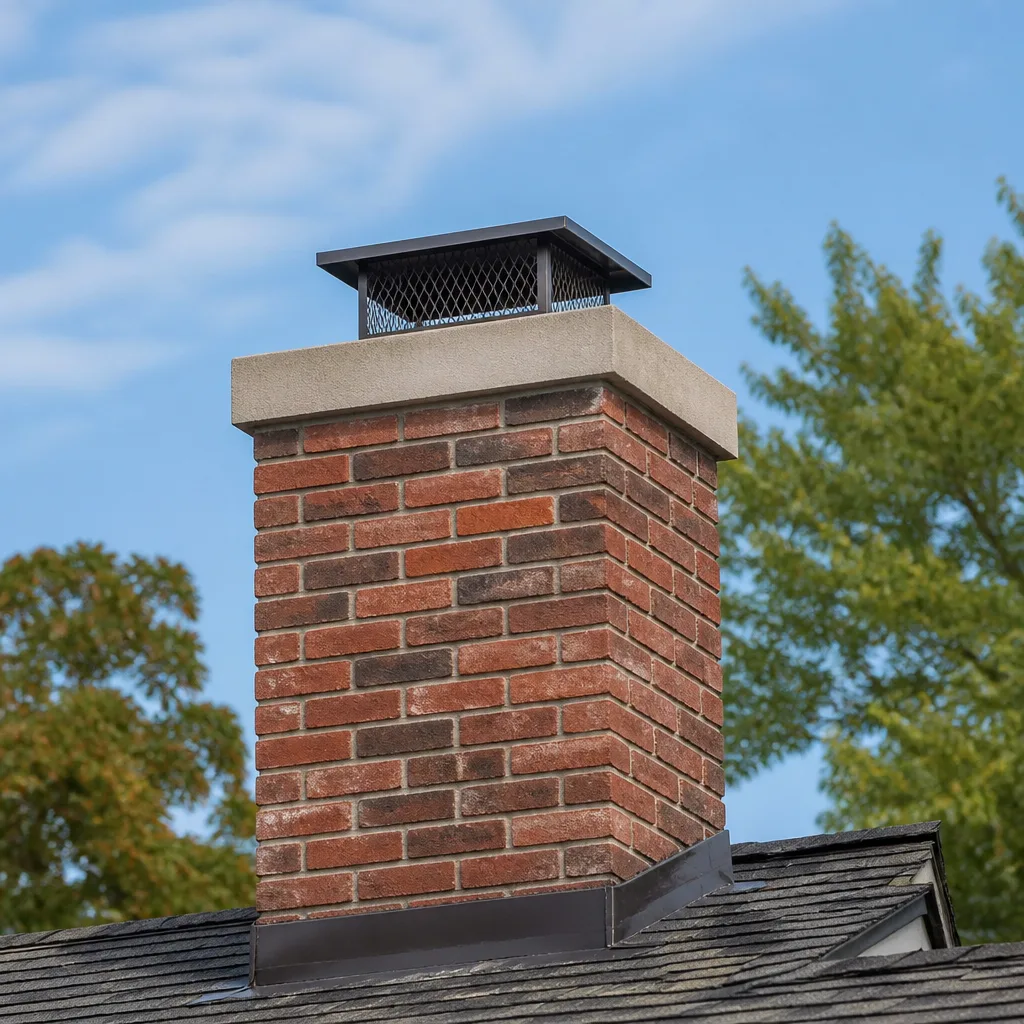 Caps & crowns
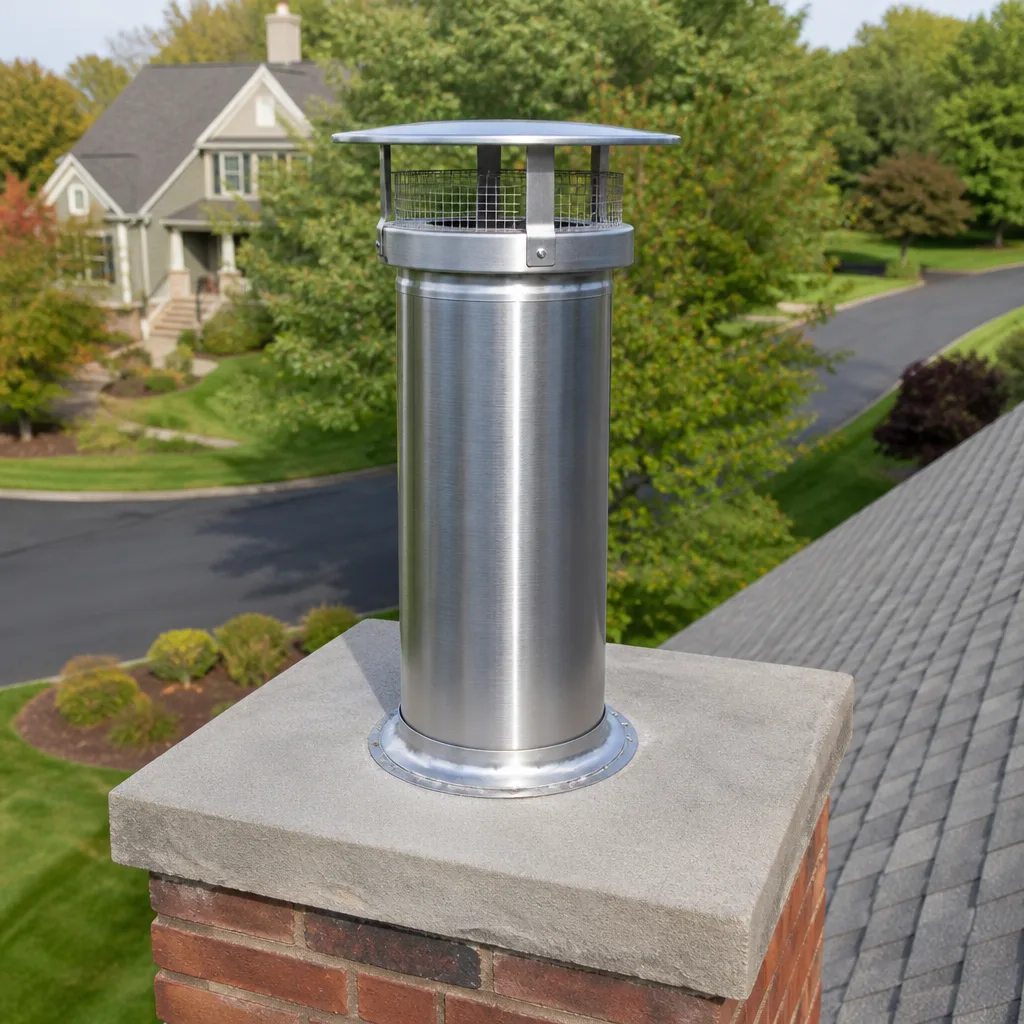 Flue relining
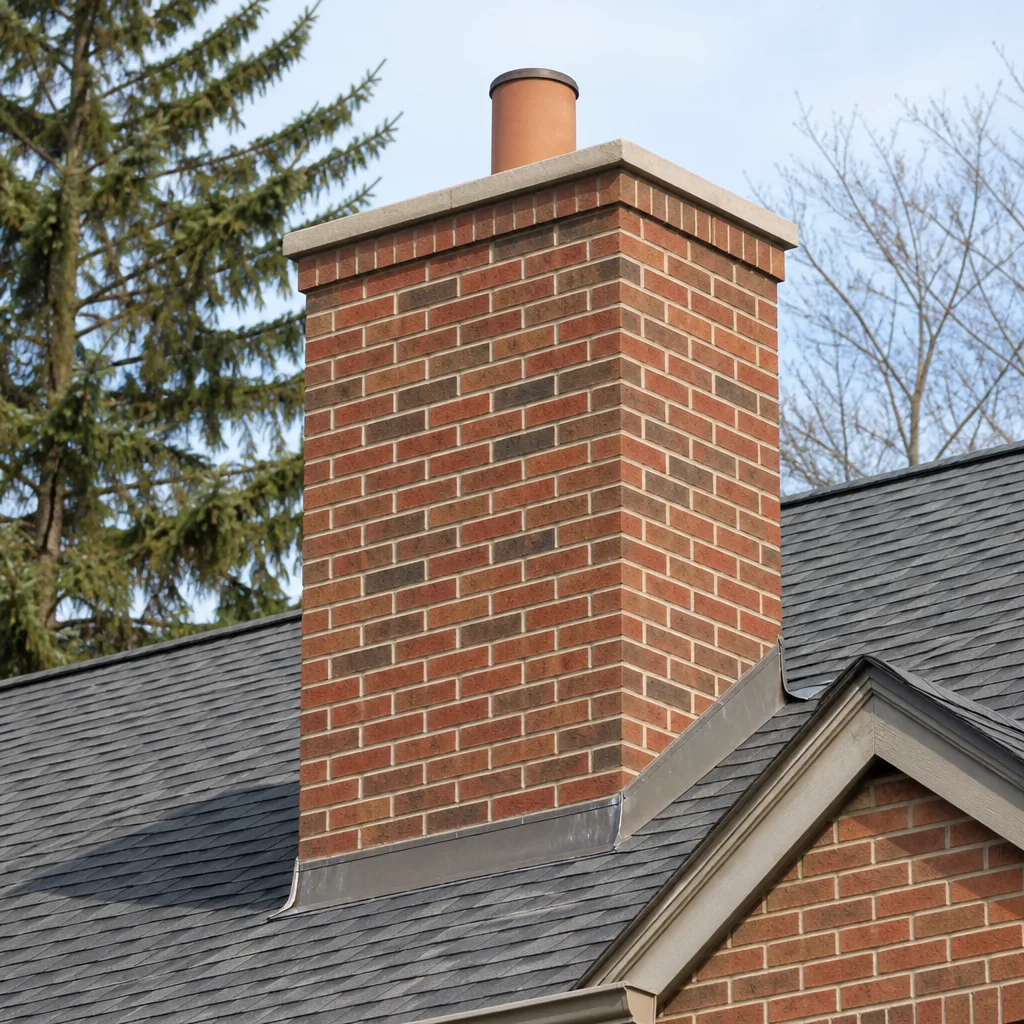 Masonry repair
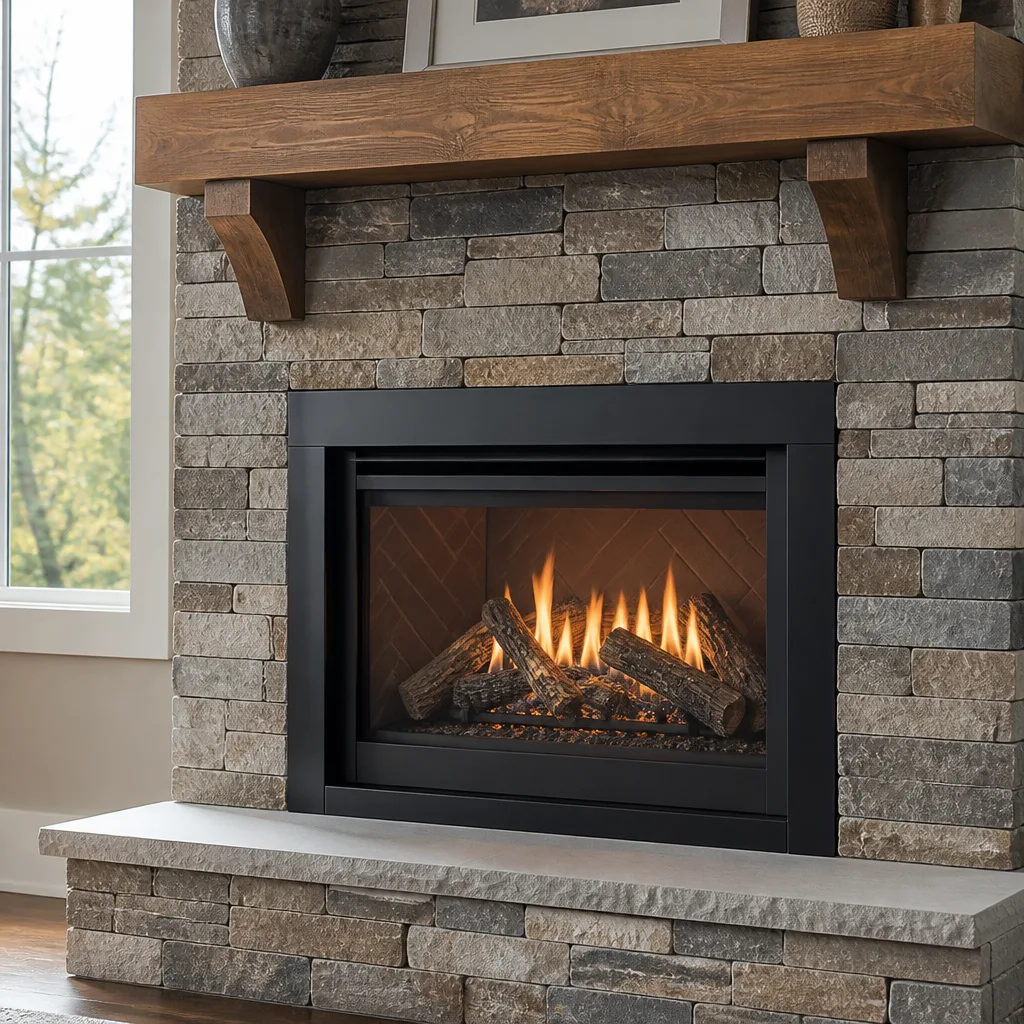 Gas fireplace service
Level 1 sweep and inspection to the NFPA 211 annual standard - flue, crown, cap, and flashing checked and photographed
Chimney sweep logs do not sweep chimneys. They loosen some creosote - which then falls where a brush and vacuum still have to collect it.
Chimney Sweep Troubleshooting: Common Problems and How to Fix Them
A chimney that smokes into the room after cleaning isn’t a cleaning failure. It’s a draft problem, and sending another sweep up the flue won’t solve it. That distinction costs homeowners hundreds in repeat service calls every year across Ontario. What follows is the diagnostic framework we use in the field: how to tell whether the problem is creosote, pressure, a damper, or a flue sizing issue, and which fixes actually work. You’ll learn to spot the root cause before anyone climbs a ladder, which means you’ll know whether the quote you get is solving the right problem.
Quick Answer
The most common chimney problems homeowners misdiagnose are smoke rollback, persistent odor, and draft failure. While a dirty flue can cause these symptoms, structural defects, negative house pressure, and flue sizing errors are equally common in Ontario homes, and sweeping alone won’t fix them. Start with a flashlight and damper inspection plus a smoke-pencil draft check before calling for service. If the flue is visibly coated, schedule a professional sweep; if it’s clear but smoke still enters the room, the problem is almost certainly pressure or structural, and you need a chimney technician, not another cleaning.
Styles & brands we work with
Table of Contents
- Smoke Rollback: The Four Real Causes
- Negative House Pressure: Ontario’s Modern Home Problem
- Chimney Odor: Summer vs. Winter Sources
- The 10-Minute Visual Check You Can Do Yourself
- Three Problems That Look Like Cleaning Issues (But Aren’t)
- Damper Failures: The Overlooked Culprit
- Flue Sizing and Draft: Why Bigger Isn’t Better
- Common Mistakes to Avoid
- When to Call a Professional
- Frequently Asked Questions
Smoke Rollback: The Four Real Causes
When smoke comes back into the room instead of going up the flue, most Ontario homeowners assume the chimney is clogged. Sometimes it is. But in our experience, roughly half the rollback calls we get involve a flue that’s already clear. The smoke issue is coming from something else entirely. Here are the four distinct causes and how each presents.
First, creosote buildup. This is the classic, and it does happen. When you burn wood regularly, creosote condenses on the flue walls. At 1/8 inch it’s a fire hazard. At 1/4 inch to 1/2 inch, it starts narrowing the flue enough to restrict draft and cause rollback. The fix is a professional Chimney Sweep visit. If your last sweep was more than a year ago and you burn weekly during Ontario’s cooler months, this is the first thing to check.
Second, negative house pressure. This one surprises people. The chimney needs air from inside the house to feed the fire and carry smoke up. If the house is tighter than the chimney can draw against, the flue reverses. We’ll cover this in detail below because it’s the most misdiagnosed cause in Ontario’s newer housing stock.
Third, a damaged or partially closed damper. If the damper plate doesn’t open fully, or the frame has warped, it can throttle draft even when the handle looks correct. A damper that’s only opening halfway will mimic a clogged chimney perfectly. This is a mechanical fix, not a cleaning fix.
Fourth, an undersized or oversized flue. If the flue cross-section doesn’t match the fireplace opening, draft suffers. An undersized flue can’t carry the smoke volume. An oversized flue never warms up enough to establish draft, so smoke cools and stalls before it exits. Both cause rollback, and neither responds to sweeping. The fix is a liner system sized correctly, often a DuraFlex flexible liner when the existing flue has offset angles that won’t accommodate rigid pipe.
Negative House Pressure: Ontario’s Modern Home Problem
Here’s the scenario we see repeatedly in Ontario: a homeowner has a newer or recently upgraded home with energy-efficient windows, added insulation, and sealed air gaps. They light a fire and the smoke pours back in. They call for a sweep. The flue is clean. The technician leaves. The problem stays. They’ve now paid for a service that couldn’t fix the issue because the issue was never in the chimney.
What’s happening is negative house pressure. Every cubic foot of air that goes up the chimney has to be replaced from somewhere. In an older, draftier house, replacement air seeps in through window frames, door gaps, and wall penetrations. In today’s tightly sealed Ontario homes, there’s no makeup air. The house becomes a partial vacuum relative to outdoors, and the chimney, which is the tallest vertical shaft connected to that vacuum, starts pulling outdoor air down instead of letting smoke up.
You can test for this yourself. On a day when the chimney is cool, open a window an inch and light a single sheet of newspaper in a roll and hold it near the fireplace opening. If the smoke pulls up into the flue with the window open but rolled back with it closed, negative pressure is your culprit.
The fixes are mechanical, not chemical. You can crack a window in the fire room when burning, install a make-up air vent, or use a direct-vent gas insert that doesn’t draw combustion air from the room. We’ve also seen whole-house fans and bathroom exhaust fans running simultaneously pull enough air to reverse a marginal chimney. Turn everything off and retest before calling anyone.
Chimney Odor: Summer vs. Winter Sources
A smelly chimney in July is a different problem than a smelly chimney in February, even though homeowners often describe them the same way. Understanding which one you have tells you whether the fix is a sweep, a cap, or a structural repair.
Summer odor is almost always draft reversal plus moisture. Let’s walk through it. Ontario summers bring high humidity, especially in the evenings. The air outside wants to move into your cooler house through the path of least resistance, which is often the chimney flue. That incoming air carries humidity, and when it hits creosote deposits on the flue walls, the creosote absorbs the moisture and releases volatile compounds that smell like asphalt, smoke, and damp campfire. You smell it strongest in rooms adjacent to the fireplace.
The fix has two parts. The first is cleaning the flue, because clean flues don’t off-gas creosote compounds. The second is airflow control. A damper that seals fully, or a chimney cap with a damper seal, breaks the draft reversal cycle. Without the cap, the cycle returns even after a fresh sweep because warm outside air will always rise through a cool chimney stack.
Winter odor is different. Cold air is dense. It sits in the chimney like a plug and pushes down against whatever’s inside. If you haven’t had a professional sweep recently, the creosote load from last season starts releasing odor downward instead of up. In winter, the smell indicates active creosote deposits and likely a draft issue. The fix is a sweep first, then assessment: is the flue sized wrong, is the chimney top blocked by an old cap, or is the flue damaged and holding creosote in cracked mortar joints? A camera inspection during the sweep answers these questions definitively.
The 10-Minute Visual Check You Can Do Yourself
Before you call for service, there are three tests you can do in about ten minutes that will tell you whether the problem is likely creosote, pressure, or structural. These aren’t replacements for a professional inspection, but they’ll let you describe the issue accurately when you call, which means the technician arrives knowing what to bring and where to look.
- The flashlight damper test. Open the damper fully. Shine a bright flashlight up the flue from inside the firebox. If you see a thick, black, bubbled or tarry coating on the flue walls, that’s creosote. Anything beyond a 1/8-inch coating warrants a professional sweep before you burn again. If you see white or gray powdery deposits, that’s normal mineral residue, not an obstruction.
- The smoke-pencil draft check. With the damper open and no fire burning, light an incense stick or tightly rolled paper and hold it at the top of the firebox opening. Smoke should pull up. If it stalls or drifts into the room, the draft is either blocked or reversed. Open a nearby window and retest. If the smoke now pulls up, the problem is negative pressure. If it still stalls, the obstruction is physical: creosote, debris, a collapsed flue tile, or an animal nest.
- The exterior check. Walk around the outside of the house and look at the chimney from the ground. You’re checking for three things: missing or cracked mortar between bricks, efflorescence (white chalky staining that signals water intrusion), and a missing or rusted chimney cap. All three indicate water has been getting into the masonry, which is a structural issue, not a cleaning issue.
If the flashlight test shows creosote, book a sweep. If the smoke-pencil test shows a pressure issue, the fix is ventilation or damper work, not cleaning. If the exterior check shows water damage, you need a Chimney Repair assessment. None of these three outcomes should be treated the same way.
Three Problems That Look Like Cleaning Issues (But Aren’t)
There are three conditions in Ontario chimneys that produce exactly the same symptoms as a dirty flue: smoke rollback, odor, and poor draft. But they’re structural, and no amount of sweeping will fix them. In fact, continuing to sweep and burn on a damaged flue can make the underlying problem worse and create a fire risk. Here’s how to tell them apart.
Cracked or separated flue tiles. A clay flue liner that’s cracked from chimney fire or age allows smoke and heat to escape into the chimney cavity between the liner and the brickwork. Symptoms include smoke odor through walls, draft loss, and occasionally visible smoke seeping from mortar joints in the attic. During a sweep, a camera inspection shows the cracks clearly. The fix is either a stainless liner installed inside the existing flue or a resurfacing system like HeatShield that restores the flue’s integrity.
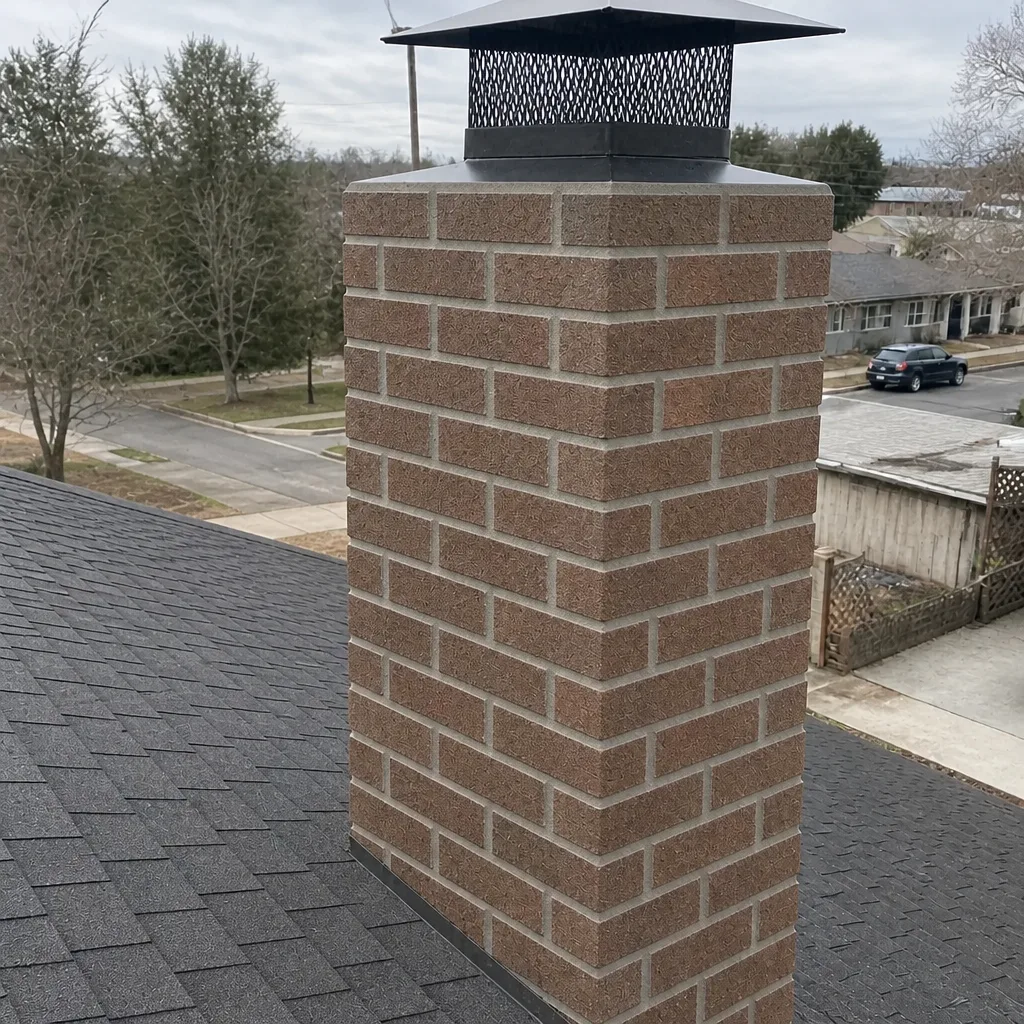
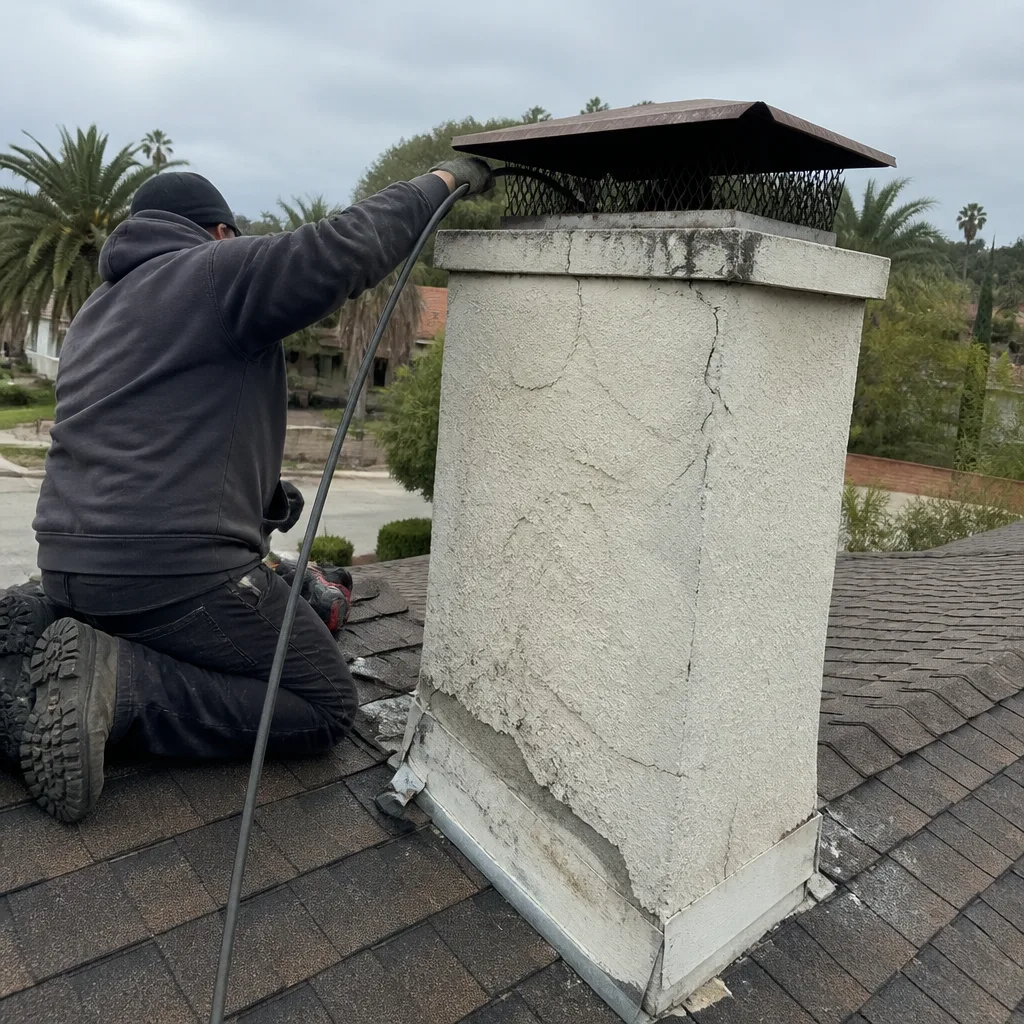
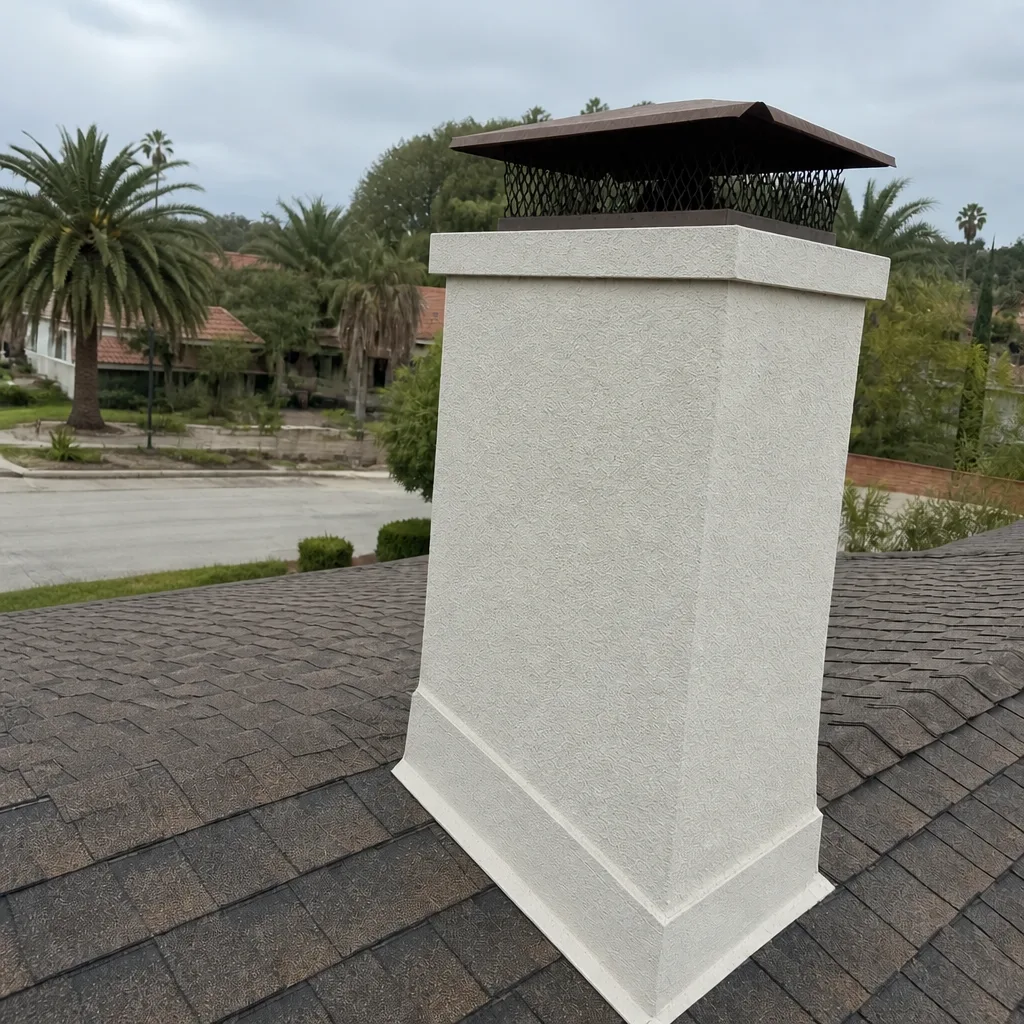
Spalling brick and failed mortar joints. When Ontario’s freeze-thaw cycles push moisture through brick, the brick face pops off in thin sheets (spalling). The mortar joints also erode over time. This weakens the entire structure and changes the chimney’s thermal performance. Symptoms include draft loss, water staining on interior walls, and bits of brick or mortar accumulating at the base of the chimney. The fix is masonry repair: tuckpointing, brick replacement, and possibly a rebuild of the top section. Sweeping cannot address this.
Missing or deteriorated chimney cap. A missing cap lets rain, snow, and debris fall directly into the flue. Rain mixes with creosote and creates an acidic slurry that accelerates flue deterioration and stinks in warm weather. Snow melts into the firebox and produces a musty odor. Animals nest in uncapped flues. The fix is a properly fitted cap, ideally a quality unit from Gelco or Famco, installed by someone who understands sizing and draft requirements.
Damper Failures: The Overlooked Culprit
We get calls where the homeowner says the chimney was just swept, the cap is on, the house is drafty enough to make up air, and smoke still pours back. In a meaningful share of those cases, the damper is the problem. It’s the only moving part in the system, and it fails more often than people expect.
The throat damper is a cast iron plate that sits just above the firebox. When you open and close it hundreds of times over the years, the hinge pins wear, the plate warps from heat, and the frame rusts. A damper that doesn’t open fully will cut the flue’s effective opening by half, which causes exactly the same rollback as a creosote-choked flue. A damper that doesn’t close fully after the fire is out becomes a permanent draft leak, letting conditioned air escape in summer and cold air pour down in winter.
The test is simple: open the damper and look. If the plate hangs at an angle, if you can see light around the frame when it’s closed, or if the handle spins without resistance, it’s failed. Replacement options include a new throat damper or a top-sealing damper that mounts at the chimney crown, which doubles as an energy seal. Ontario Chimney stocks replacement dampers from Famco, which are built to take the thermal cycling better than generic hardware brands.
Flue Sizing and Draft: Why Bigger Isn’t Better
One of the most persistent myths in chimney work is that a bigger flue drafts better. In practice, the opposite is often true. An oversized flue is a chronic draft killer because the volume of air inside is too large to heat quickly. The fire has to spend its early minutes heating that entire column of air before the differential pressure gets strong enough to pull smoke up. Until that happens, smoke spills back into the room. Some homeowners compensate by burning hotter fires, but that just drives creosote deeper into the flue and accelerates liner wear.
The rule of thumb used in the trade is that the flue’s cross-sectional area should be roughly one-tenth the area of the fireplace opening. A 30-inch by 30-inch fireplace opening (900 square inches) wants a flue with around 90 square inches of cross-section, roughly a 10-inch round or equivalent rectangular. If your fireplace was built with a larger flue, you’ll fight draft on every fire unless you reline.
In Ontario, we see this with masonry fireplaces built decades ago when builders used oversized clay tiles as a default. The fix is resizing, usually with a stainless liner system. For flues with offset angles or irregular shapes, a DuraFlex flexible liner handles the bends without reducing effective diameter. For simpler flues, a rigid liner works. Either way, the flue gets matched to the fireplace, and the draft problems stop. This is a structural correction, not a maintenance item.
Common Mistakes to Avoid
- Assuming smoke rollback always means a dirty flue. As we detailed above, rollback has four distinct causes, and only one responds to sweeping. If you pay for a sweep without diagnosing the actual problem, the smoke keeps coming back the next time you light a fire.
- Using chemical creosote logs instead of a real sweep. Those logs loosen creosote but don’t remove it. The loose creosote flakes can then drop down and block the flue at the offset. A real sweep removes the creosote entirely. If you burn more than a cord a year in Ontario, schedule a professional chimney sweep instead.
- Burning unseasoned wood. Wood with more than 20% moisture content produces cool, smoky fires that deposit creosote rapidly. The draft struggle isn’t your chimney, it’s your fuel. Season split wood for at least six months before burning.
- Blocking the make-up air path. Some homeowners seal every leak in their homes for energy efficiency, then wonder why the chimney won’t draft. The chimney needs air. If you don’t provide a dedicated make-up air source, the flue will reverse.
- Ignoring water staining on interior walls near the chimney. By the time water shows up on drywall, the masonry has been absorbing moisture for months or years. The fix gets more expensive the longer you wait. Water staining means a structural inspection is already overdue.
- Running the bathroom fan during a fire. Your bathroom exhaust fan is pulling exactly the same air your chimney needs. If you’re fighting rollback, turn off every exhaust appliance in the house and crack a window before lighting up.
- Fixing the symptom instead of the source with a chimney cap. A cap is essential, but it doesn’t address cracked flue tiles, spalling brick, or a damper that doesn’t seal. If you cap over a damaged flue, you’ve hidden the problem, not solved it.
When to Call a Professional
You can diagnose a lot from the ground, but there are moments when the right move is to stop and make a call. If you see creosote buildup beyond 1/8 inch on the flue walls, that’s a fire hazard and it needs a sweep before you burn again. If your smoke-pencil test shows no draft even with a window open, something is physically blocking or collapsing the flue. If water is staining your ceiling or walls near the chimney, the masonry has already failed somewhere. If you smell smoke in the house when the fireplace hasn’t been used in months, you may have a cracked liner or a pressure problem that only a camera inspection will reveal. Ontario Chimney offers free estimates across Ontario for all three of these situations: call (833) 467-7685 to schedule an assessment.
Frequently Asked Questions
A standard chimney sweep in Ontario typically runs between $160 and $300, depending on the flue’s condition, the amount of creosote, and whether the fireplace has been maintained regularly. If the sweep includes a camera inspection, expect to pay toward the higher end. If your chimney hasn’t been serviced in years or burns unseasoned wood frequently, the first sweep may take longer and cost more. Call (833) 467-7685 for an exact quote for your home.
Not always. Cracked flue tiles are a clear fire and safety hazard because they let heat and combustion gases reach the brickwork and house structure, but full liner replacement isn’t the only fix. We’re certified to apply HeatShield ceramic resurfacing, which restores the flue’s structural integrity at a lower cost and with less disruption than tearing out the old liner. The right choice depends on the extent and location of the cracking and on whether the flue sizing itself needs correction. Call (833) 467-7685 for a camera inspection and recommendation.
The standard is once per year at a minimum, or after every cord of wood burned, whichever comes first. If you use your fireplace daily through Ontario’s cooler months, you may need two sweeps per season. If you burn unseasoned wood or your fireplace produces a lot of smoke, the creosote accumulates faster and the interval shortens. Annual sweeps also let a technician catch structural problems early, when they’re cheaper to fix.
Creosote accumulates on the flue walls, and creosote is combustible. A chimney fire starts when that creosote ignites, reaching temperatures that crack clay flue tiles or warp stainless liners. Even without a fire, built-up creosote restricts draft, causes smoke rollback, and releases ammonia-like and tar-like odors into the house in warmer months. The longer you skip cleaning, the more expensive the eventual repair. Call (833) 467-7685 to schedule a sweep before it becomes a structural issue.
The cause is almost always draft reversal combined with humidity. Warm, humid Ontario summer air moves down the cool chimney flue, gets absorbed by creosote residue, and releases odor into the house. The fix is a professional sweep to remove the creosote plus a properly sealing damper or chimney cap to stop the air movement. A clean flue without a sealing cap will still smell eventually once new creosote builds up and the draft reversal cycle starts again.
You can buy a brush and rods from a hardware store, but the results and safety vary widely. The flue often has offset angles that a straight brush can’t reach, and you can’t see the upper reaches without a camera. A professional service includes a camera inspection, which catches flue cracks, animal nests, and structural issues a brush misses. And it’s genuinely dirty, difficult work. After trying it once, most homeowners in Ontario decide the cost of a professional sweep is justified.
The Bottom Line
By now you should be able to look at your own chimney with a more informed eye. Smoke rollback means creosote, pressure, a damper, or a flue sizing issue, and each fix is different. Odor has seasonal causes that point to different solutions. A visual check with a flashlight and a smoke pencil separates cleaning problems from structural problems. And the three big masonry failures, cracked flues, spalling brick, and missing caps, won’t respond to a brush. Understanding these distinctions keeps you from paying for repeat sweeps that don’t solve the real problem. When you’re ready to get it fixed, start with a free estimate: call Ontario Chimney home at (833) 467-7685, or schedule a chimney repair assessment today.
Written by the team at Ontario Chimney, serving Ontario since 2014.
See the difference
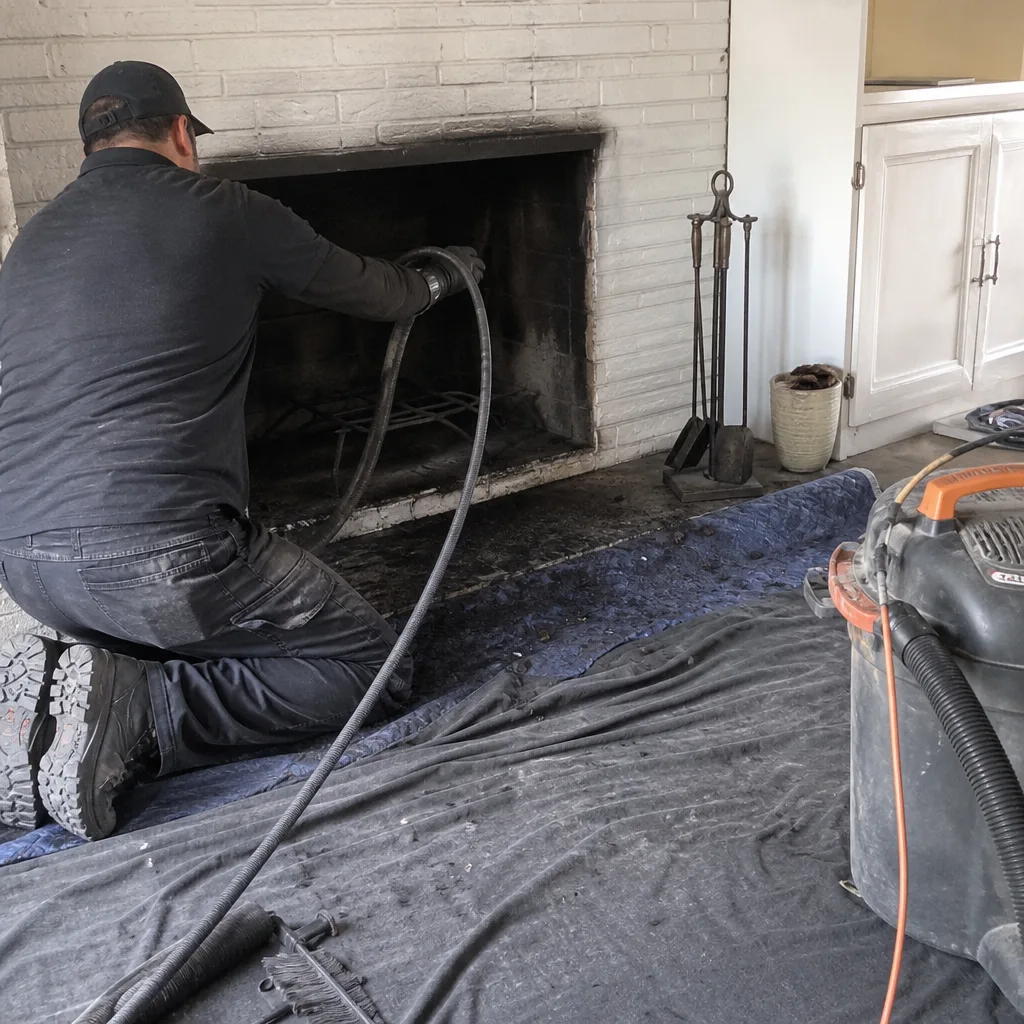 Before
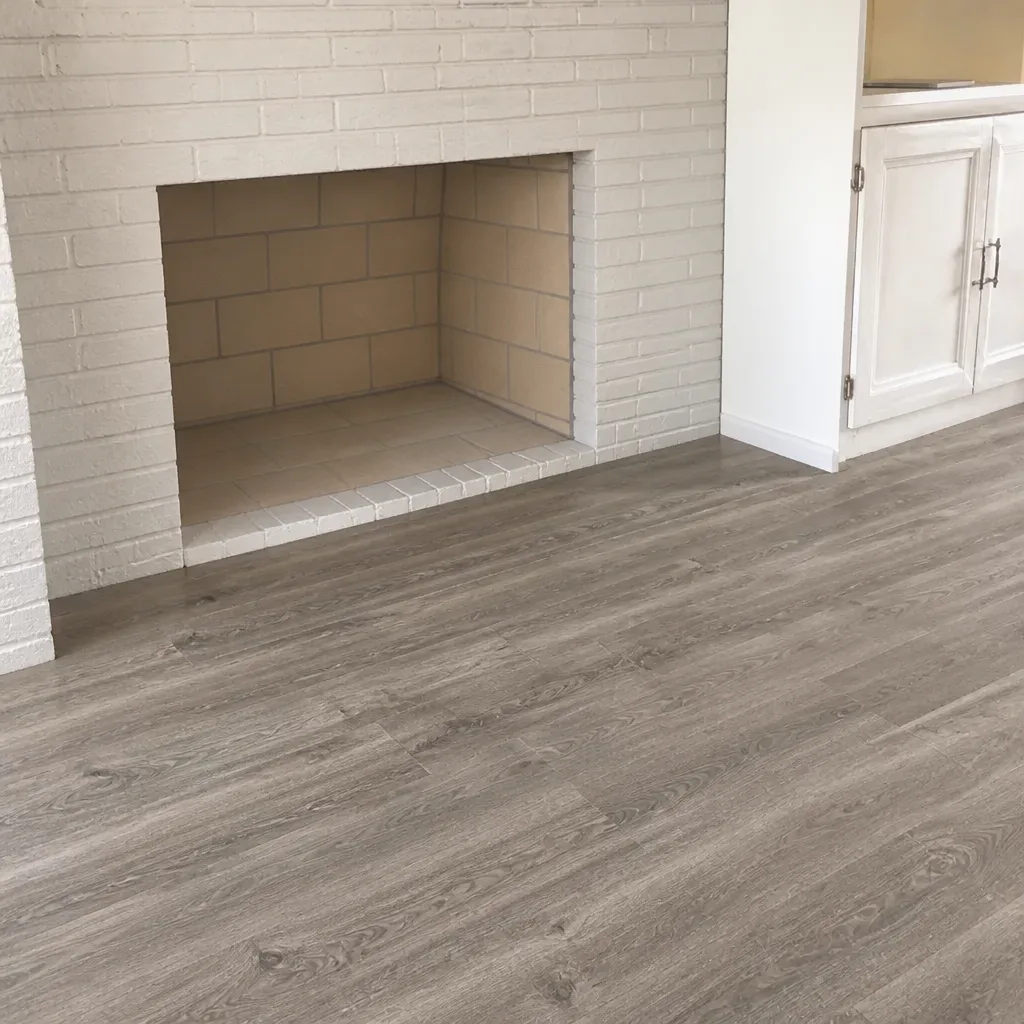 After
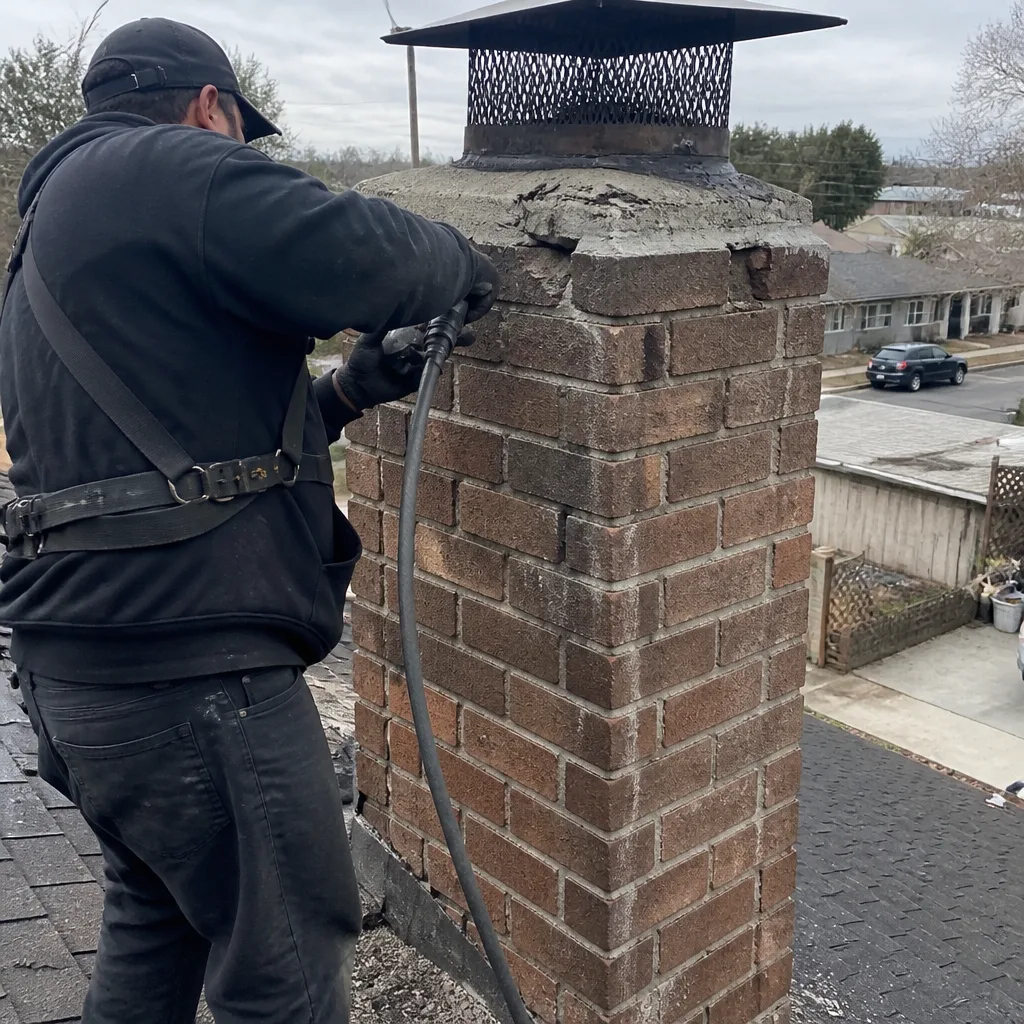 Before
 After
 Before
 After