

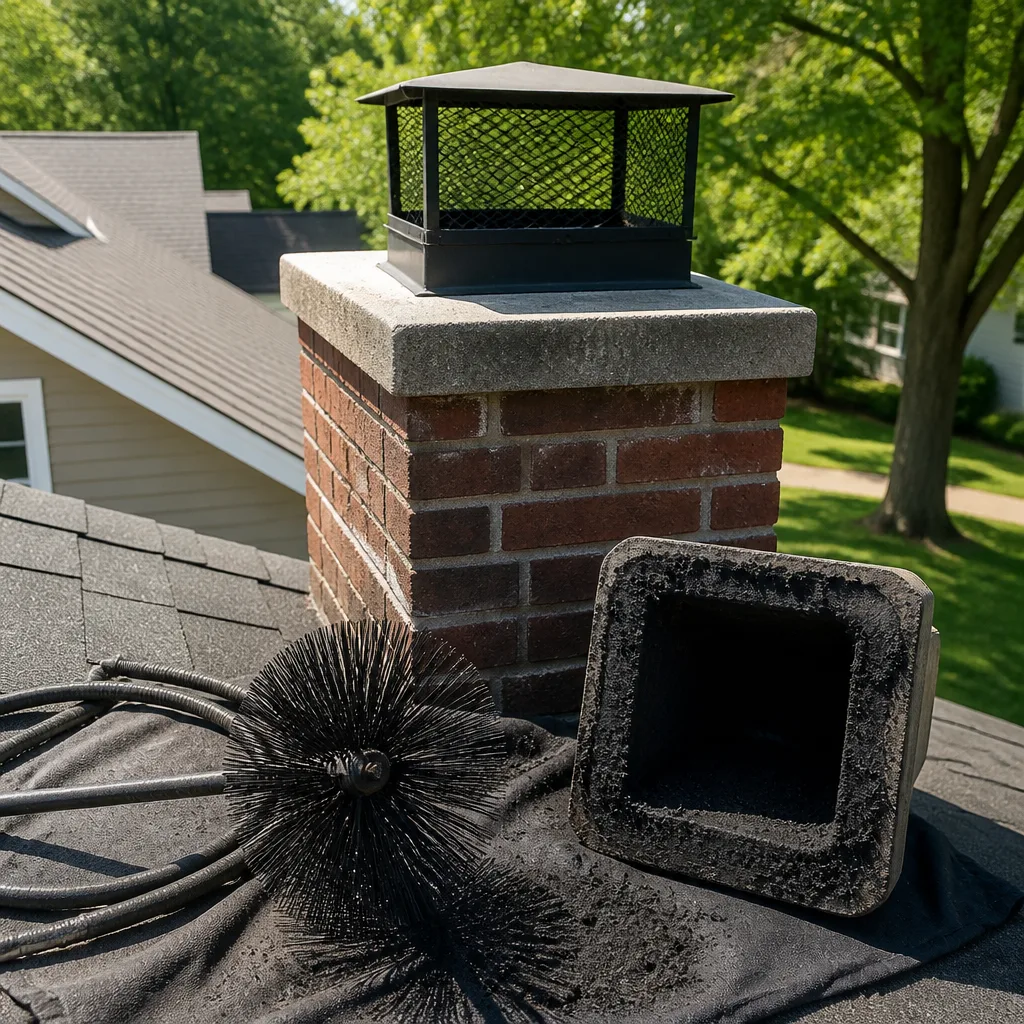
 Sweep & inspection
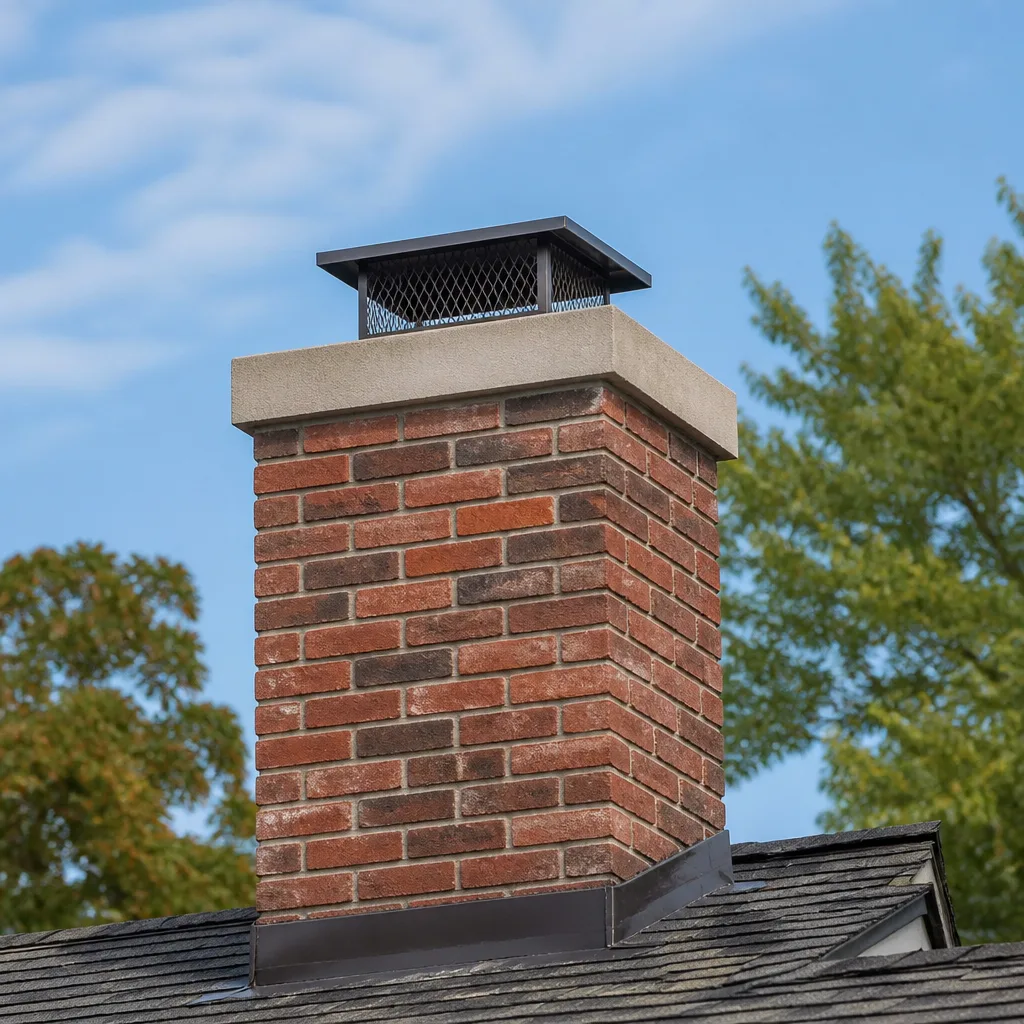 Caps & crowns
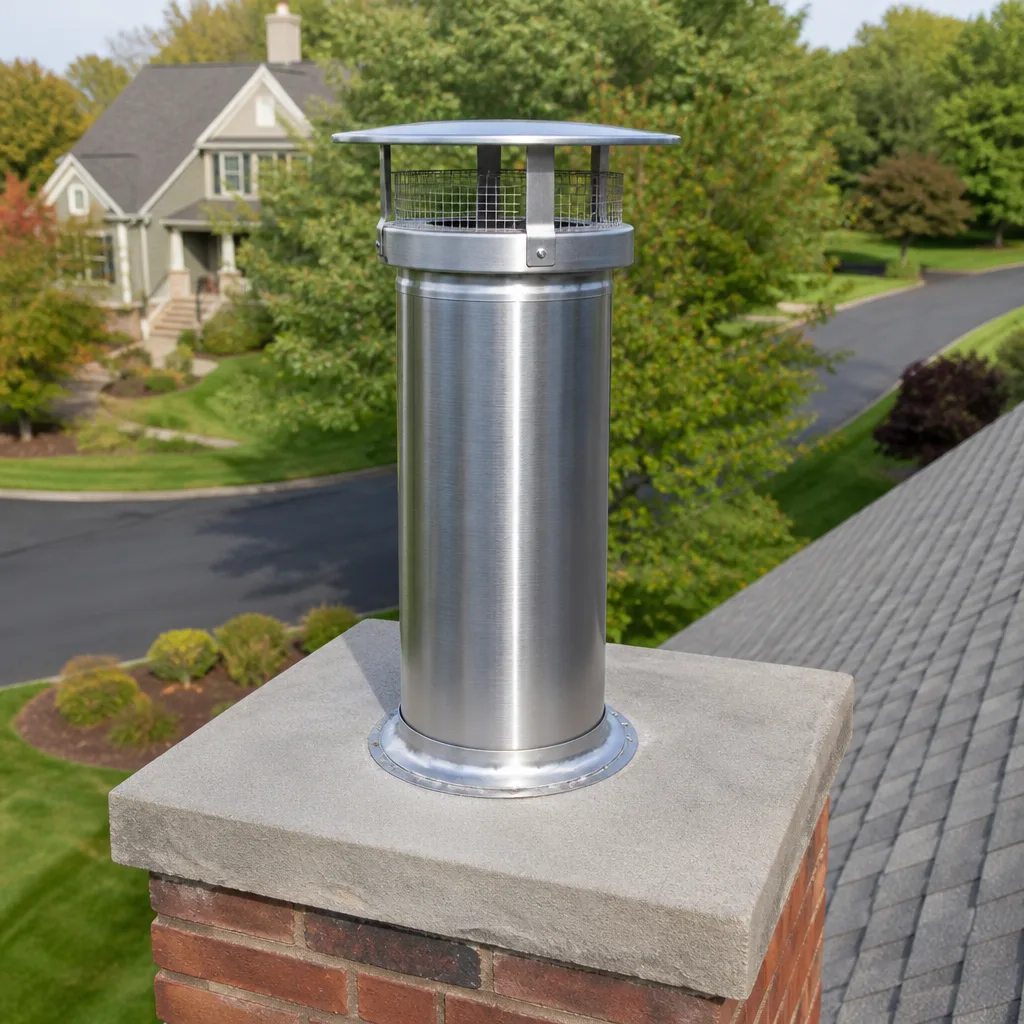 Flue relining
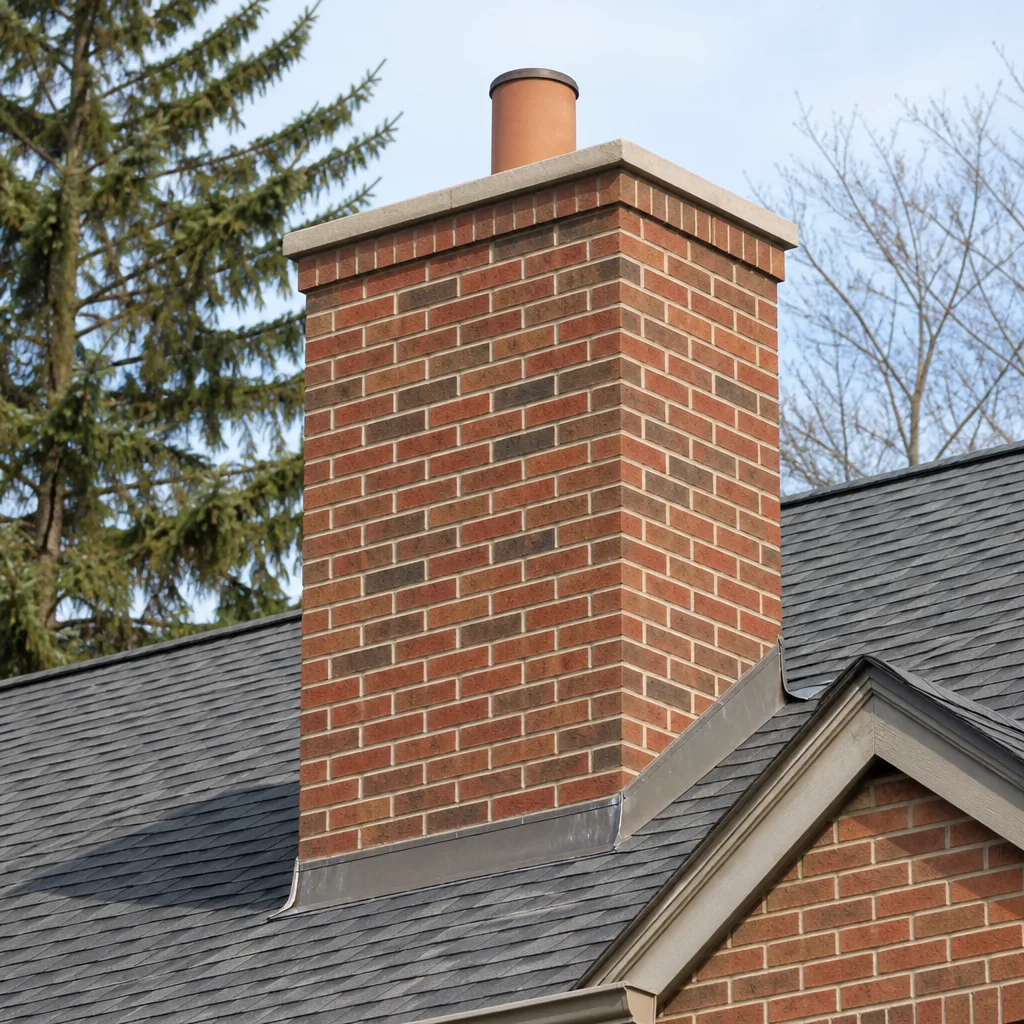 Masonry repair
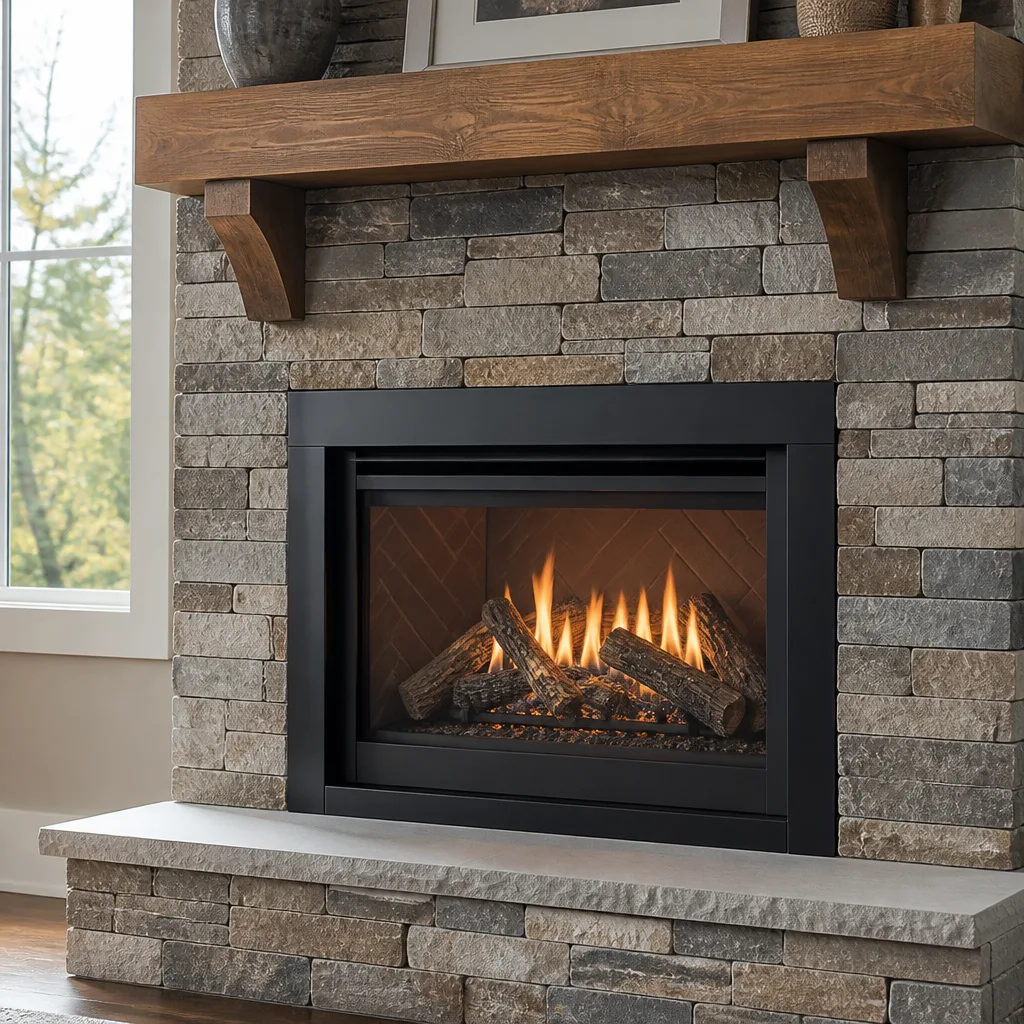 Gas fireplace service
Level 1 sweep and inspection to the NFPA 211 annual standard - flue, crown, cap, and flashing checked and photographed
Chimney sweep logs do not sweep chimneys. They loosen some creosote - which then falls where a brush and vacuum still have to collect it.
HeatShield Chimney Cleaning in Crest, CA
We provide independent HeatShield chimney cleaning and inspection across Crest, and our crews work with HeatShield ceramic and stainless lining systems every week in San Diego County’s backcountry. The one thing that makes our HeatShield work different here: in Crest, the flue’s top is usually the bigger problem than the inside. Debris from oak and chaparral gets driven into caps during Santa Ana winds, which means a HeatShield liner that’s actually in good shape can still fail a smoke test because the cap is choked. Call (833) 467-7685 for a free estimate.
Al Vickers owns Ontario Chimney and has spent the better part of three decades learning what the Inland Empire and San Diego County foothills do to a chimney. He learned building systems and combustion at Chaffey College before getting his hands dirty on real jobs, and he’s been straight with homeowners about what a flue actually needs ever since. A clean flue isn’t a luxury, it’s just how the thing is supposed to work.
We’re not manufacturer-affiliated or authorized by HeatShield. We’re an independent service provider, which means our loyalty is to the chimney in front of us, not to a product line. When we see a HeatShield surface that’s still sound, we clean it, inspect it, and leave it alone. When we see one that’s failing, we tell you exactly why and show you the camera footage before anyone recommends spending a dollar. For broader HeatShield coverage, see our HeatShield sales & service page, or check our Crest service area to confirm we cover your street.
Why Crest Residents Choose Us for HeatShield Service
HeatShield liners are not a set-it-and-forget-it product. The ceramic surface bonds to the existing flue, and that bond lives or dies by what happens at the top of the chimney and the crown above it. In Crest specifically, what happens at the top of the chimney is a lot of dry-leaf loading, wind-driven grit, and wildlife trying to make a home in an uncapped flue. So when we work on a HeatShield liner here, we’re not just running a brush. We’re checking the cap, the screen, the crown, and the top two feet of the liner where UV and wind do their worst.
We’re familiar with the full HeatShield product family, including the Armor ceramic lining system, cast-in-place resurfacing, stainless relining, and firebox resurfacing. That familiarity means we know what a good application looks like and what a failing one looks like before it becomes a house problem. We stock HeatShield-manufactured components where the job calls for them, and we’re equally comfortable installing quality aftermarket caps and dampers when that’s the honest fix. The point is this: one company from inspection to repair, no handoff between a sweep crew and a separate contractor.
For Crest homeowners, that continuity matters. Many properties here are older cabin-style builds and mid-century ranch homes with masonry or prefab fireplaces that get heavy seasonal use. Some date to before modern spark-arrestor codes existed. When a HeatShield liner sits inside a chimney that was never fitted with a proper cap or screen, the liner inherits every problem the chimney was built with.
Styles & brands we work with
- Sweep & inspection
- Caps & crowns
- Flue relining
- Masonry repair
- Gas fireplace service
Common HeatShield Chimney Cleaning Problems We Solve in Crest
- Liner debonding at the top two feet of the flue. UV exposure and Santa Ana wind-driven grit strip the ceramic surface where it’s most exposed. This is the most common HeatShield failure we see in Crest, and it’s almost always discovered during a cleaning and camera run, not by a homeowner. If caught early, we can often repair and reseal rather than replace.
- Ceramic cracking from a failed crown. The crown above the liner is the water barrier. When a Crest home’s crown has cracked from years of dry-season shrinkage and winter chills, water stands against the HeatShield surface and spalls it from behind. Repairing the crown is part of the fix; re-coating a liner under a bad crown is a waste of your money.
- Cap-and-screen gaps letting debris pack against the liner. Oak leaves, acorns, and bird nest material collect on top of the liner and hold moisture. That standing moisture breaks down the bonded ceramic surface. We see this constantly on hillside streets in Crest where trees overhang the roofline.
- Liner delamination over cracked or offset flue tiles. Sometimes a HeatShield surface fails because the substrate underneath was never sound to begin with. A camera run reveals flue tiles that were cracked or offset before the HeatShield application ever happened. If the substrate is failing, we recommend relining rather than re-coating.
- Creosote buildup disguising itself as a liner problem. When a fireplace drafts poorly because the cap is clogged, combustion is incomplete and creosote forms faster. The homeowner thinks the liner is the issue. We clear the blockage, sweep the flue, and most of the time the HeatShield surface tests fine. That’s an easy win, and we’d rather find that than a rupture.
HeatShield Service in Crest: What Local Conditions Mean for Your Equipment
Crest sits in the rugged foothills east of El Cajon. The housing stock is a mix of older cabin-style homes and mid-century ranch houses built along hillsides. Canyon-and-ridge lots funnel dry chaparral debris and oak mast straight downslope into roof-level caps during Santa Ana events. On the hillside streets of Crest, a HeatShield flue is far more likely to be choked from the top than loaded with creosote from below. That’s not true in Lemon Grove or Casa de Oro, where the terrain is flatter and the wind doesn’t carry the same load. It’s a Crest-specific pattern, and it changes what we look for first.
That’s why we scope a cap-and-screen check into nearly every Crest cleaning. The liner might be perfectly sound. The cap might be the actual problem. A few years ago, a homeowner on a canyon-edge street off La Cresta Road called after the first cold snap because smoke was rolling back into the living room. Our tech found the cap packed solid with oak leaves, acorns, and an old bird nest sitting right on top of a HeatShield Armor surface. Once we cleared the blockage and ran the camera, the liner itself read sound. The real failure was a missing spark arrestor. We set a new multi-flue cap with mesh, swept the flue, and the fireplace drafted clean that same afternoon. That call is the Crest story in one afternoon: the top of the chimney was the job.
HeatShield Models & Products We Service in Crest
We service the full HeatShield product range across Crest: the Armor ceramic lining system, cast-in-place Resurfacing, stainless steel relining, and fireplace firebox resurfacing. Each has its own failure pattern, and we know what to look for on each. Where the specification calls for HeatShield-manufactured components, we use them. Where a quality aftermarket cap, damper, or spark arrestor is the honest fix, we install that instead. We don’t push OEM parts as a reflex, and we don’t substitute bargain-bin parts just to undercut a quote.
For Crest’s older homes with clay-tile flues, HeatShield is often a better fit than a full stainless reline. The cast-in-place ceramic conforms to the existing flue shape, which matters when the flue has settled or shifted slightly out of square. If the existing HeatShield surface is sound, we repair and reseal it. If it has debonded or cracked past the point of a durable fix, we say so and quote relining rather than re-coating a failing surface. That’s a line we won’t cross, because re-coating over a failed bond just hides the problem for a season or two.
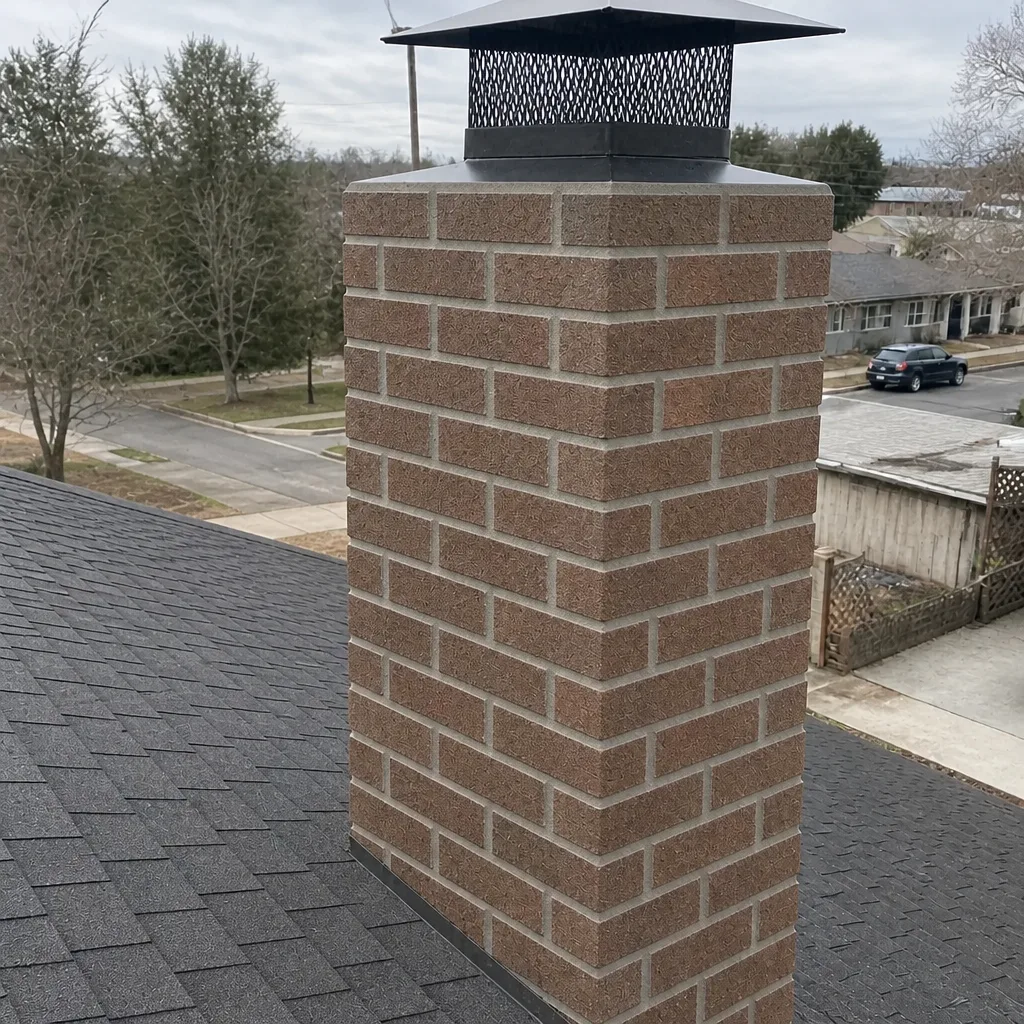
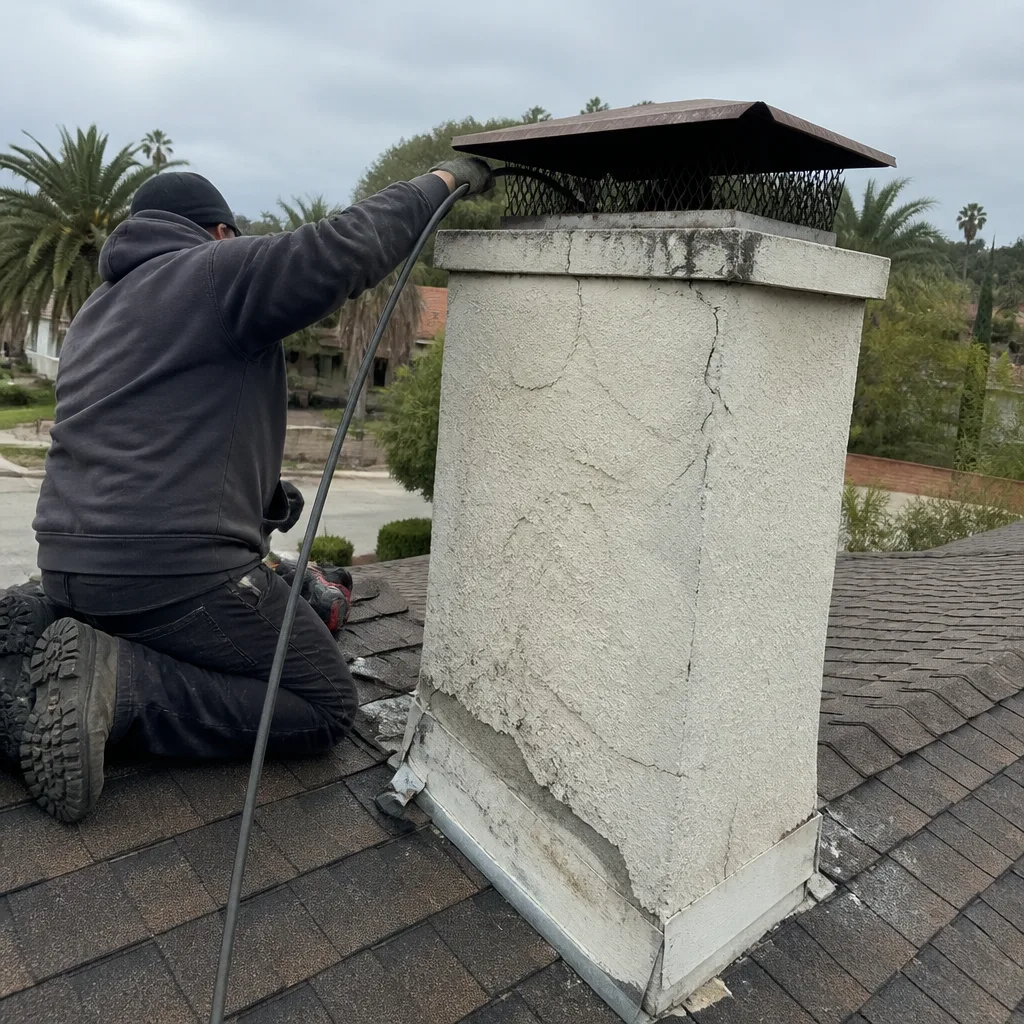
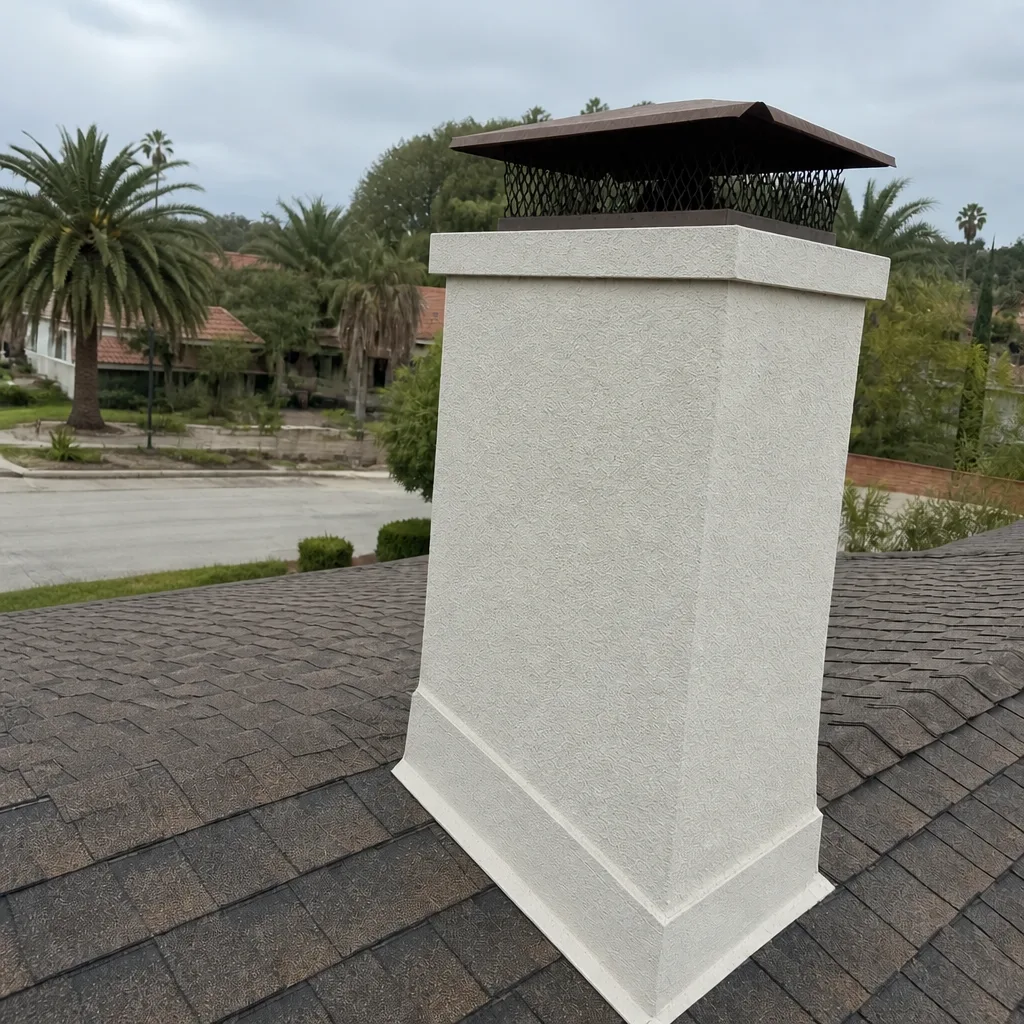
See the difference
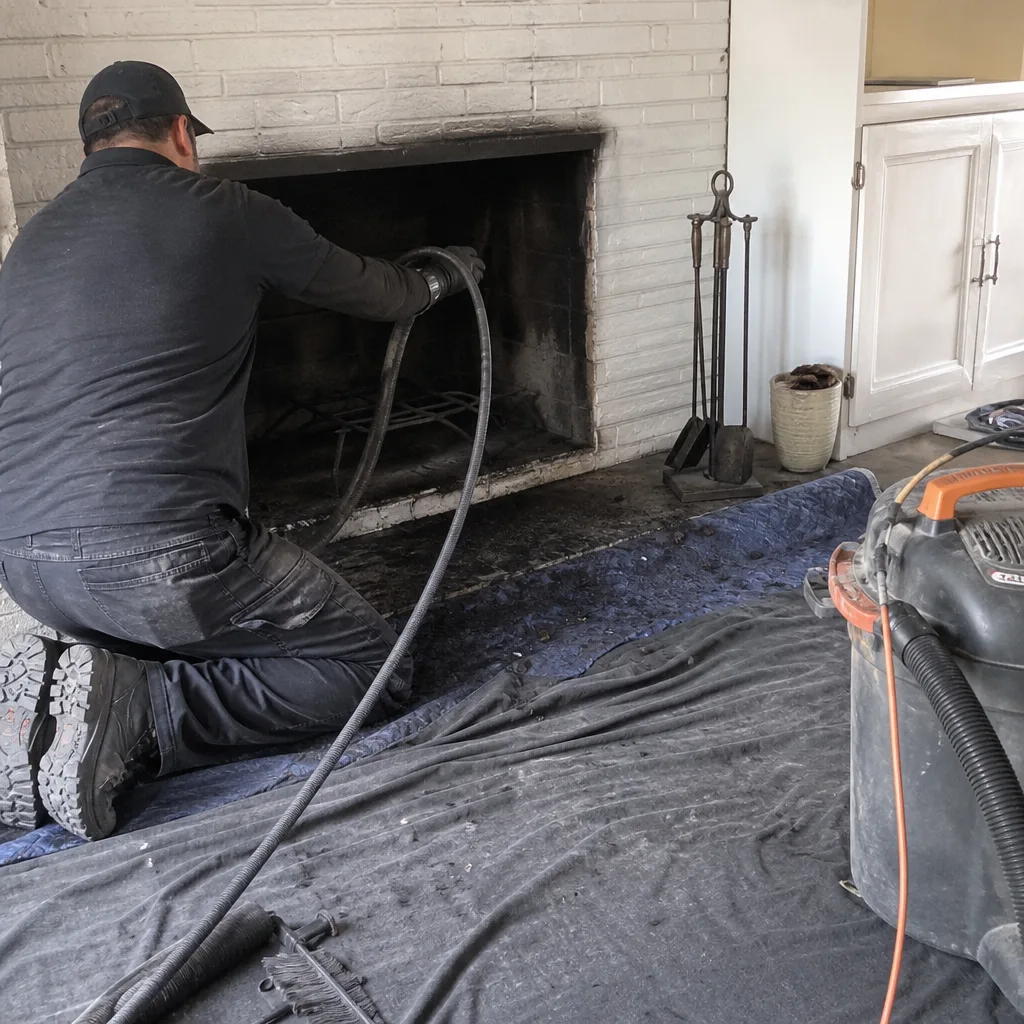 Before
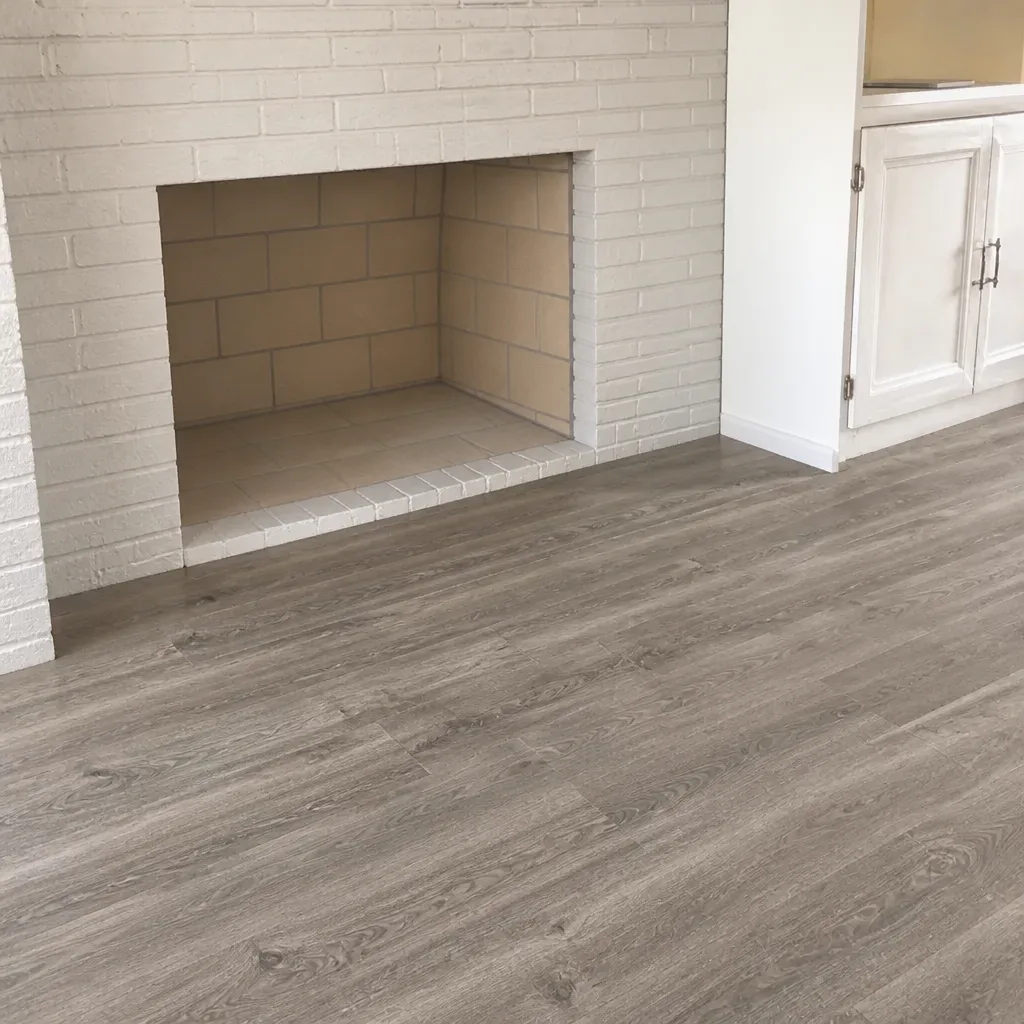 After
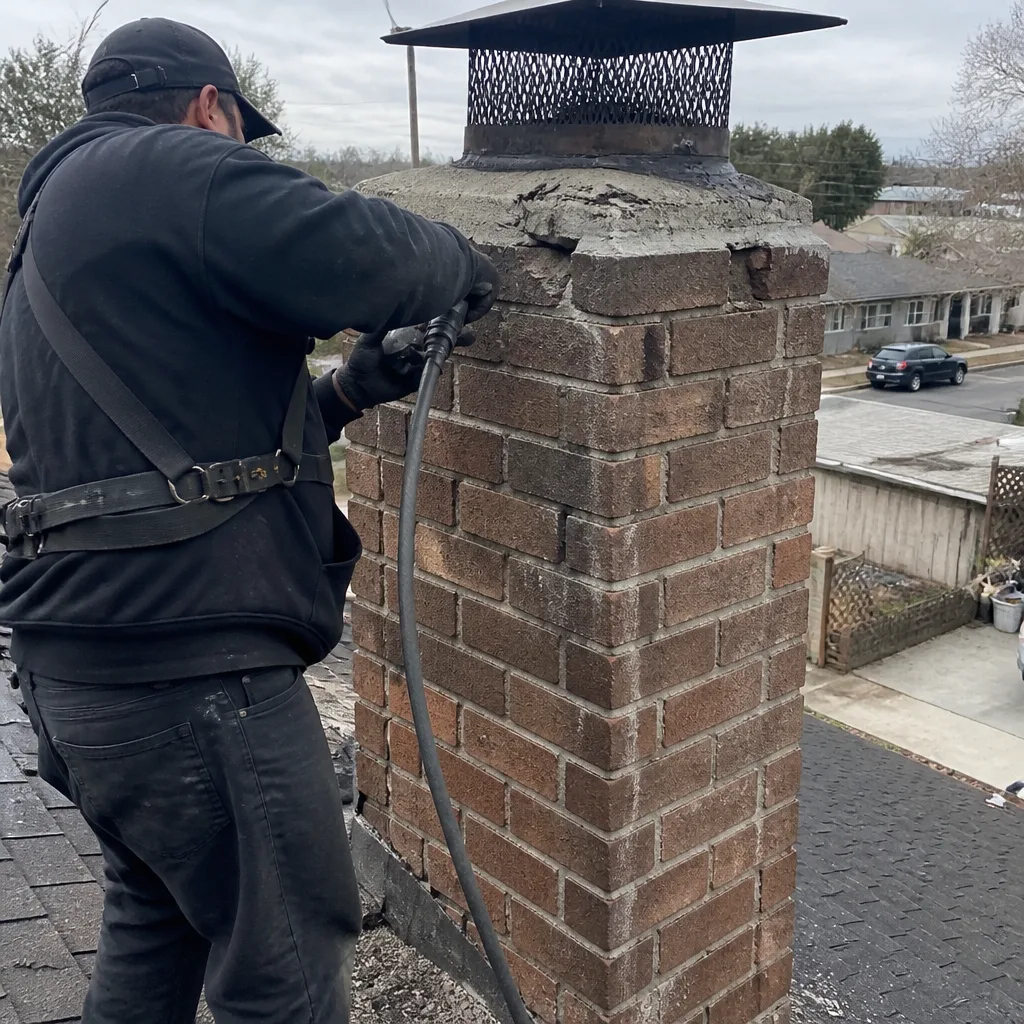 Before
 After
 Before
 After
HeatShield Service Pricing in Crest
HeatShield chimney cleaning in Crest typically runs $180 to $340 for a standard sweep and visual check. If a Level 2 camera inspection is needed, which we recommend when a HeatShield liner shows any sign of surface wear, that adds $150 to $400 depending on the chimney’s height and access. Cap installation runs $150 to $400, and a HeatShield ceramic repair or resurfacing can range from $1,500 to $5,000 depending on flue length, access, and how much of the surface has failed. These are working ranges, not quotes.
What actually drives the cost in Crest is access. Hillside lots with steep driveways and roof pitches make setup slower. A two-story ranch with a walkable roof is a different job than a hillside cabin where the chimney pokes through a steep pitch at the ridge. Our free estimate includes the camera check and a straight explanation of what needs doing now versus what can wait. Call (833) 467-7685 for an exact quote. Estimates are free, and we’ll tell you what we found, show you the evidence, and give you options.
Serving Crest, CA - Our Local Coverage Area
We’re based in the Crest area and know this community well. Use the map below to see our service coverage - if you’re nearby, we can almost certainly help.
FAQs – HeatShield Chimney Cleaning in Crest
My Crest home has a HeatShield liner – do I still need a camera inspection, or will a sweep do?
You still need the camera. A sweep removes soot and creosote, but it cannot tell you whether the HeatShield surface has debonded, cracked, or delaminated from the flue tile behind it. In Crest, the top two feet of the liner take the worst beating from sun and wind-driven grit. The only way to see that damage is a camera run. If the liner reads clean and bonded, the sweep is enough. If it reads suspect, we show you the footage and talk about repair versus reline. Call (833) 467-7685 to book both.
Why does my chimney cap keep clogging in Crest when it didn’t in the city?
The short answer is chaparral and canyon wind. Crest’s hillside lots sit under oak canopies, and Santa Ana winds drive leaves, acorns, and dry brush straight into roof-level caps. A cap that stays clear in a flat, treeless neighborhood fills up in Crest. The fix is usually a cap with a proper mesh spark arrestor, not a liner repair. The liner is often fine. The cap is just undersized or missing its screen.
Can HeatShield be applied on my older Crest cabin’s original clay-tile flue?
Yes, and that’s actually one of the best applications for the product. HeatShield’s cast-in-place ceramic conforms to the existing flue tile, which suits older cabins where the flue has shifted or settled out of square. But the underlying tile has to be reasonably intact and the chimney structurally sound. If the flue tiles are badly cracked, offset, or collapsed, no surface coating will save them. That’s a reline job. We inspect first and tell you straight which category your chimney falls into.
Does Crest’s wildfire risk change how you service a HeatShield chimney?
It changes our priority order. In Crest, the spark arrestor and cap mesh are not optional accessories. They’re the difference between a contained fireplace and an ember escaping into dry brush on a hot day. HeatShield protects the flue’s interior. It does not stop embers from leaving the chimney. So on every Crest visit we check the cap, the mesh, and the spark arrestor as part of the cleaning. Even a sound HeatShield liner with a blown-out mesh is a fire hazard here. Call (833) 467-7685 and we’ll make the cap check routine, not extra.
What’s the difference between the soot I see and creosote that’s dangerous?
Soot is mostly fine carbon powder. It brushes off easily and it’s not a major fire risk by itself. Creosote is different. It forms in three stages: flaky, tar-like, and glazed. The glazed form is the dangerous one; it burns at high temperature and sticks to the flue wall like lacquer. Poor drafting, often from a clogged cap in Crest, makes creosote form faster. A HeatShield surface that’s in good shape resists creosote adhesion, but it still needs sweeping when buildup passes a quarter inch. We’ll show you the brush results and tell you what stage you’re dealing with. Estimates are free at (833) 467-7685.
Service Areas Near Crest
We run HeatShield service throughout San Diego County’s east county and foothill communities. If you’re not in Crest, check our HeatShield service in Lemon Grove page or the HeatShield service in Casa de Oro-Mount Helix page. We also cover El Cajon, Alpine, Lakeside, and Jamul. Same crews, same equipment, same straight answers.
Book Your HeatShield Service in Crest Today
The burn season comes fast in the foothills. Don’t wait for the first cold snap to find out your cap is packed. Call (833) 467-7685 for a free estimate on HeatShield cleaning, inspection, or repair in Crest.
Written by Al Vickers, Owner at Ontario Chimney, serving Crest and the surrounding San Diego County foothills.