
Last updated November 2, 2026
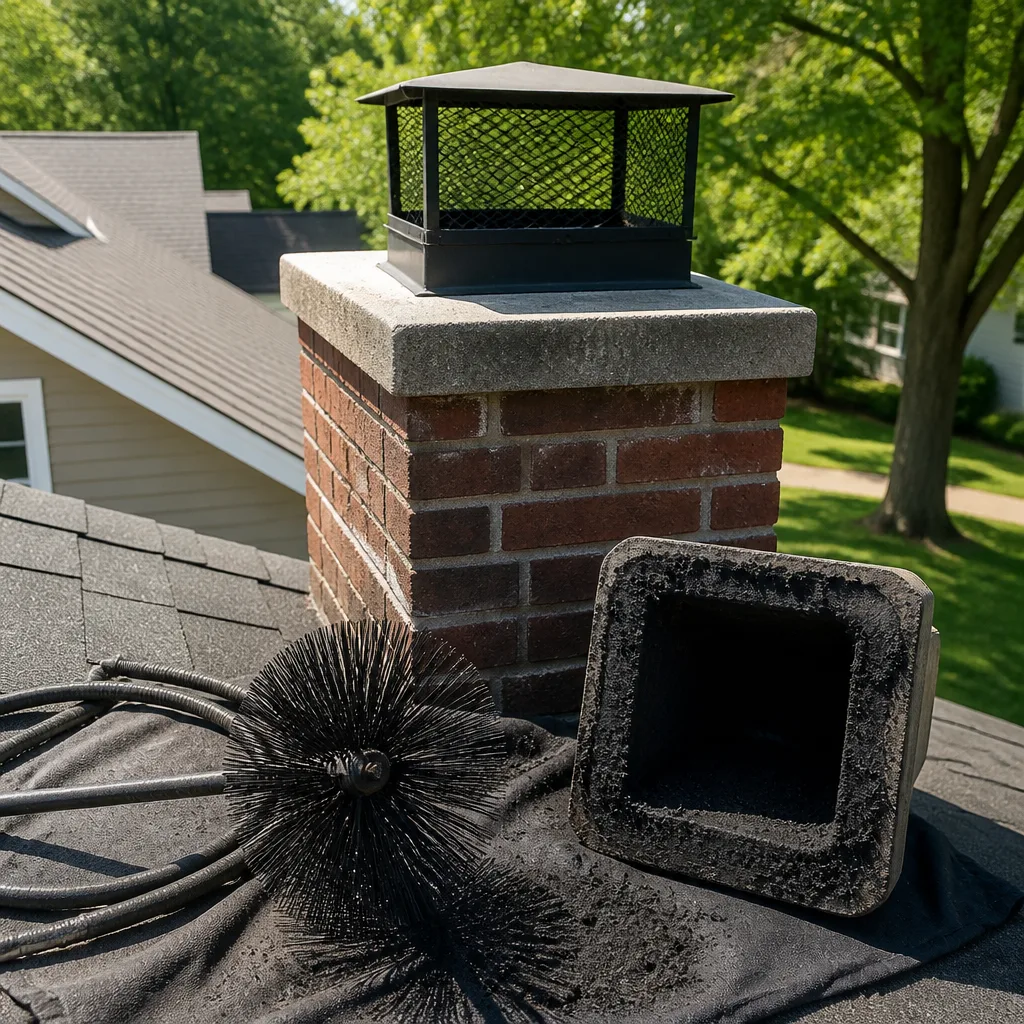 Sweep & inspection
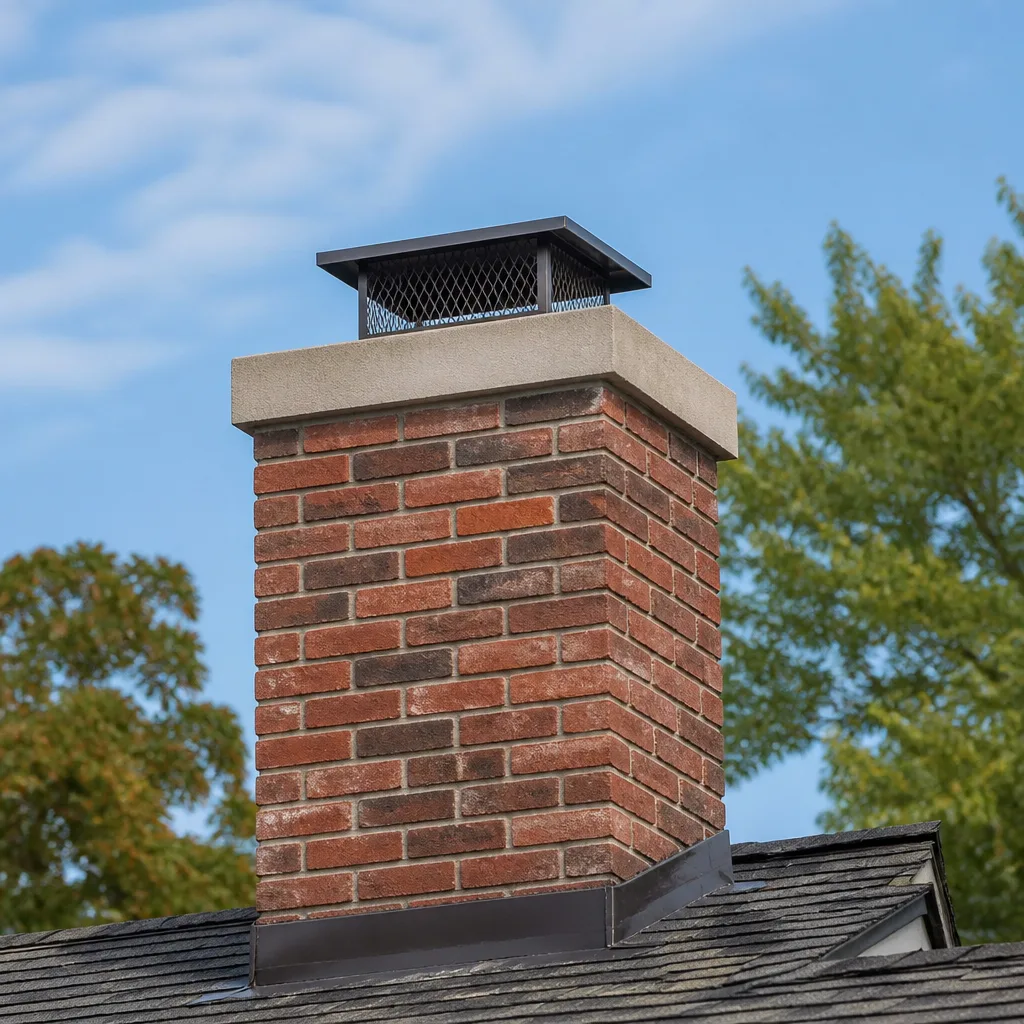 Caps & crowns
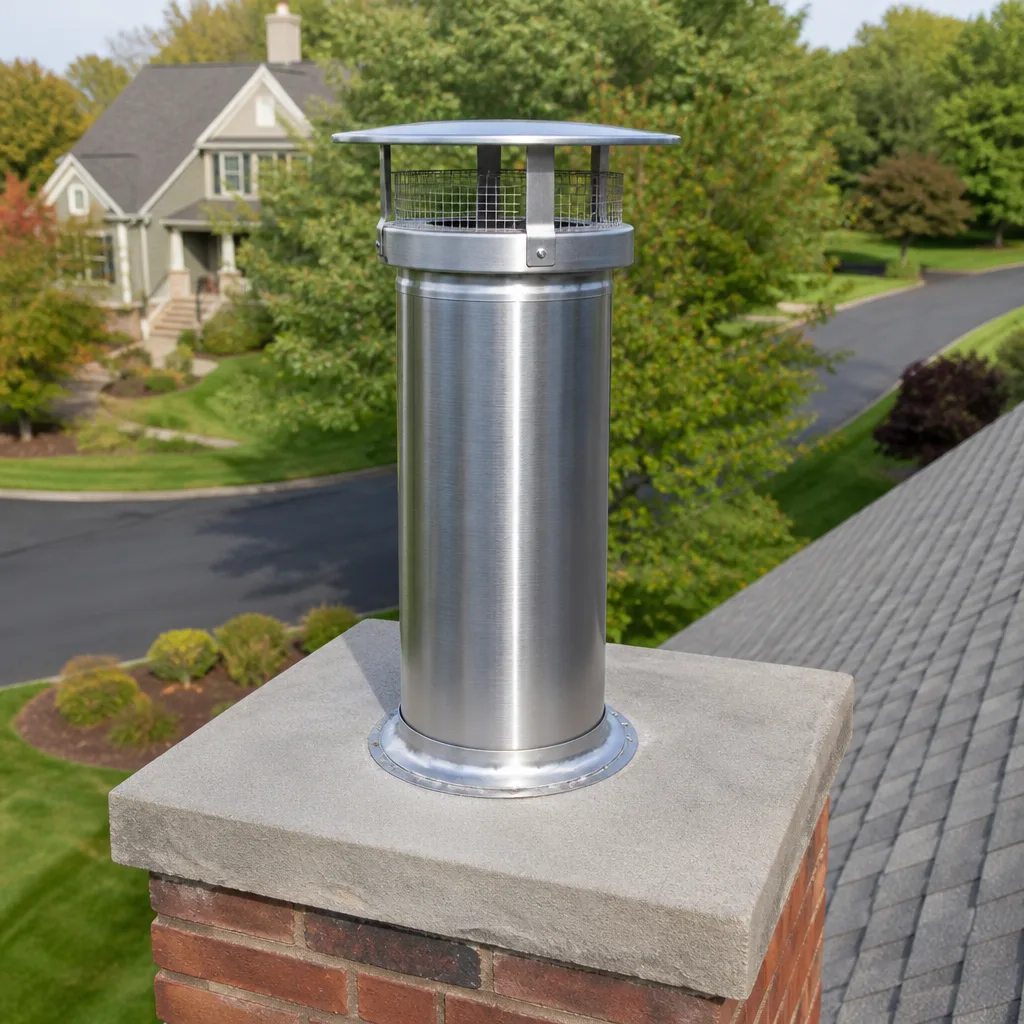 Flue relining
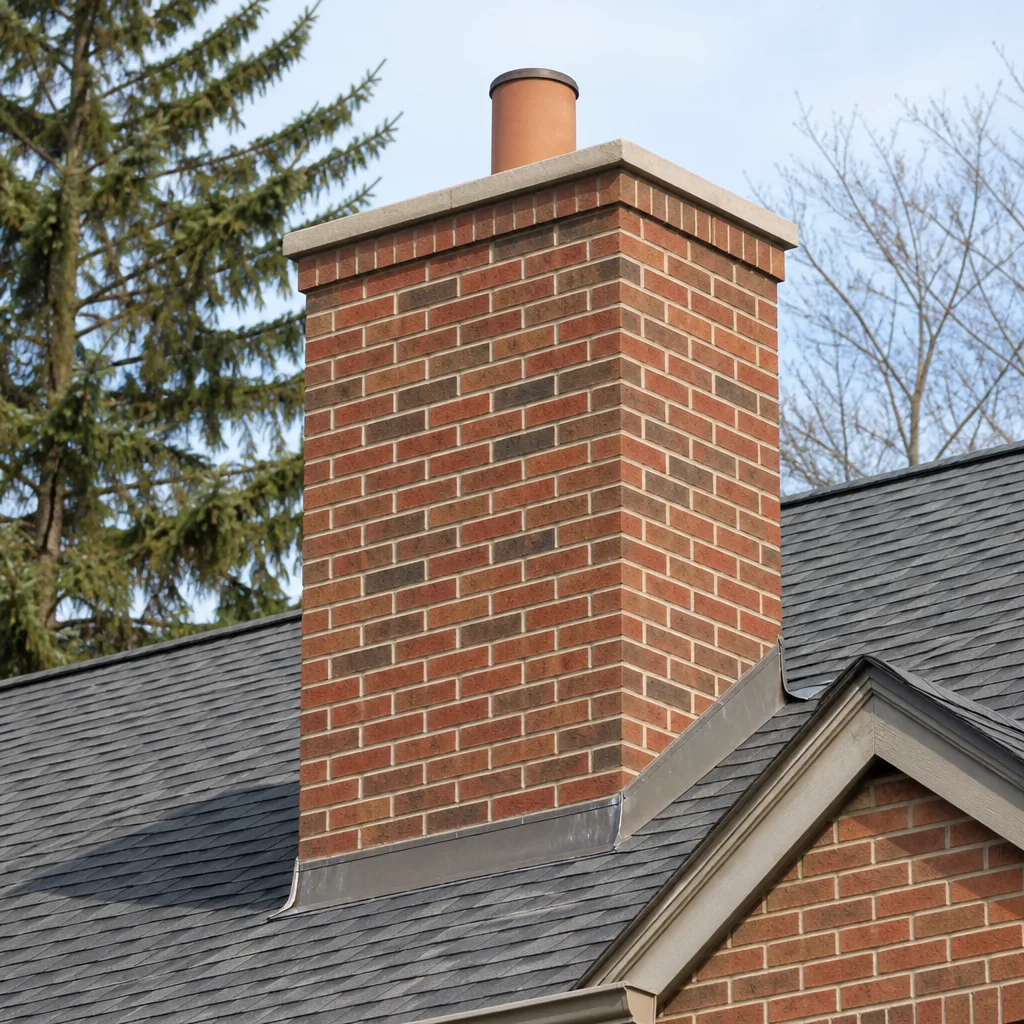 Masonry repair
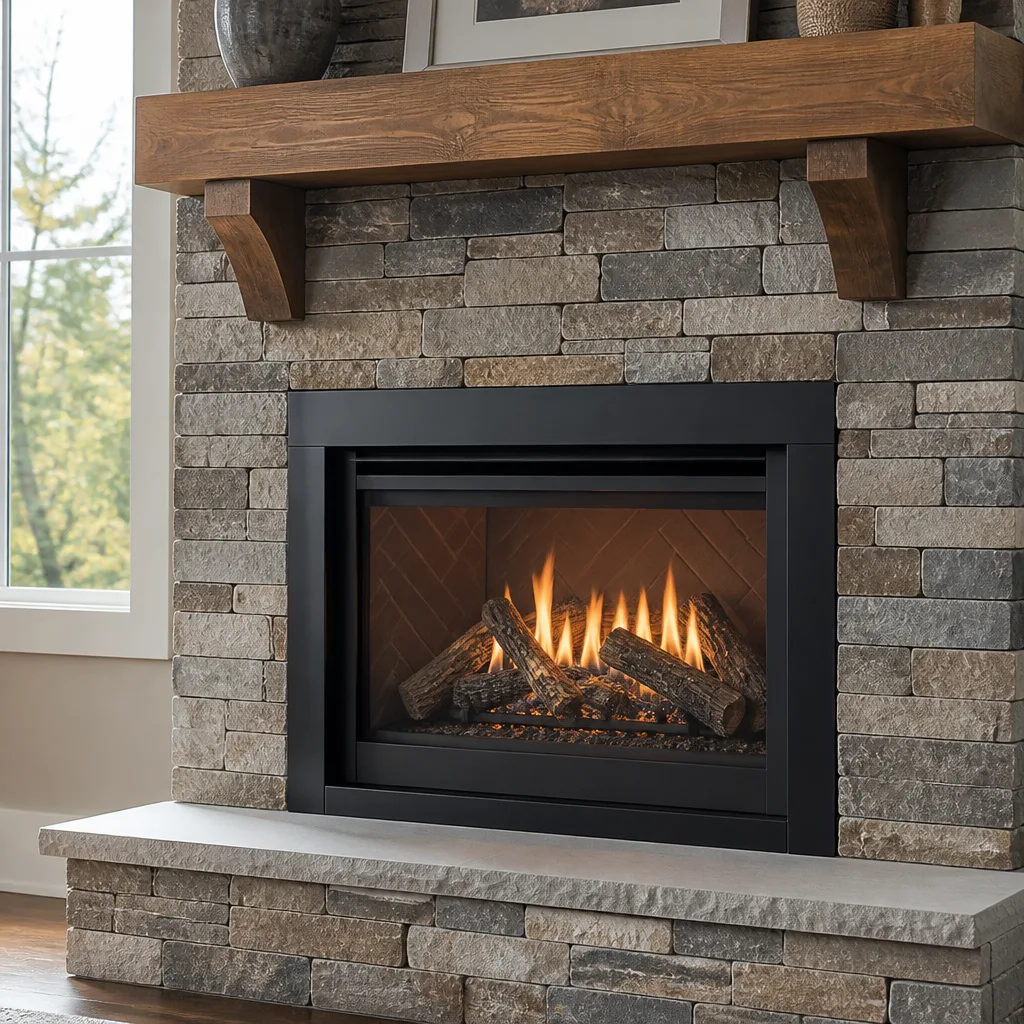 Gas fireplace service
Level 1 sweep and inspection to the NFPA 211 annual standard - flue, crown, cap, and flashing checked and photographed
Chimney sweep logs do not sweep chimneys. They loosen some creosote - which then falls where a brush and vacuum still have to collect it.
Chimney Cleaning Emergency Preparedness Guide for Ontario Homes
A chimney fire sounds like a freight train. That’s the detail most Ontario homeowners miss. People expect a crackling fireplace sound, something contained and obvious. What actually happens is a low, rumbling roar from inside the walls, often mistaken for heavy wind or a passing truck. By the time you identify the sound, you have under two minutes to act correctly before the decision tree becomes much more limited. Most homeowners have never been told what to do in those two minutes. This guide is your reference. We’ll walk through the immediate response steps, what happens after the fire is out, how carbon monoxide emergencies differ, and how to prepare your Ontario home before burning season starts. Read it once now, and you’ll have the knowledge ready when seconds count.
Quick Answer
If you hear a roaring sound from your chimney or see flames shooting from the top, close the damper and any air inlets to the fireplace immediately, then call 911 from outside the home. After a chimney fire is confirmed or suspected, do not use the chimney again until it has been professionally inspected, because the liner and masonry may be compromised in ways you cannot see from ground level.
Styles & brands we work with
- Sweep & inspection
- Caps & crowns
- Flue relining
- Masonry repair
- Gas fireplace service
Table of Contents
- What a Chimney Fire Actually Sounds Like
- The First Two Minutes: Step-by-Step Response
- Carbon Monoxide Events: The Silent Emergency
- After the Fire Is Out: Why You Can’t Use the Chimney
- Preparing Before Burning Season
- Ontario-Specific Emergency Context
- What a Post-Fire Inspection Actually Involves
What a Chimney Fire Actually Sounds Like
A chimney fire is not subtle. The sound has been compared to a freight train, a low-flying jet, or heavy static. In Ontario homes, where wind can be strong during fall and winter, homeowners regularly dismiss the first thirty seconds as weather or street noise. That’s a mistake, because the sound is coming from inside the flue, not outside. What you’re hearing is burning creosote, the tar-like residue that accumulates inside chimneys from incomplete wood combustion. Creosote is highly flammable. When it ignites, it can burn at temperatures exceeding 2,000°F, which is far beyond what a masonry chimney is built to withstand. The sound is the combustion forcing air through a narrow passage at high speed.
Along with the noise, you may see one or more of these signs:
- Flames or dense smoke shooting from the chimney top
- A hot, intense smell that’s distinct from normal wood smoke
- Vibrations in the fireplace or surrounding wall
- Flakes of flaming creosote falling onto the roof
- A sudden change in how the fire behaves or draws air
In our experience in Ontario, the homeowners who catch chimney fires early are the ones who have been told what the sound means. If you hear a roaring that doesn’t match the weather, walk outside and look at your chimney. That single action can save you minutes.
The First Two Minutes: Step-by-Step Response
This is the sequence that matters. If you’ve confirmed or strongly suspect a chimney fire, follow these steps in order. Do not skip ahead. The goal is to starve the fire of oxygen while keeping yourself and everyone else outside the home.
- Close the damper completely. The damper is the metal plate inside the fireplace that controls airflow. Closing it cuts the oxygen supply to the firebox, which reduces what feeds the chimney fire. If your fireplace has glass doors, close those too. If it has an outside air intake, close that as well.
- Do NOT use water on the fire. Throwing water into a hot fireplace or onto a burning chimney can cause rapid temperature change, which cracks masonry and can send hot steam and debris into the room. The exception is if the fire has spread into the living space, in which case evacuate and let firefighters handle it.
- Get everyone out of the house. Chimney fires can breach into walls and attics without being visible from the living room. The fire isn’t contained just because it appears to be staying inside the flue.
- Call 911 from outside. Never remain inside to make the call. Fire can move through hidden spaces quickly. Tell the dispatcher you have a chimney fire, your full address, and whether anyone is still inside.
- Observe from a safe distance outside. Watch the chimney top if you can do so safely from your yard or a neighbor’s property. Never climb onto the roof to investigate.
- Do not reopen the damper. Even if the roaring stops, opening the damper can reignite the fire by reintroducing oxygen to still-hot creosote.
Once firefighters arrive, they will typically inspect from the roof and inside the home using thermal imaging to find hot spots in the walls and framing. Their job is to confirm the fire is fully out. Your job starts after they leave, and we’ll cover that below.
Carbon Monoxide Events: The Silent Emergency
Chimney-related carbon monoxide poisoning doesn’t announce itself. There’s no freight-train sound, no visible flame. What there is instead is a blocked, malfunctioning, or failed venting system pushing combustion gases back into the home. In Ontario, the risk is highest during the coldest months when homes are sealed tight and fireplaces run for hours at a time.
Here are the three specific chimney scenarios that create CO risk, and they are not interchangeable:
- Downdraft: Wind patterns or negative air pressure in the home push exhaust back down the chimney instead of letting it rise. This often happens when a home is very tightly sealed, when range hoods or bathroom fans run during a fire, or when the chimney is shorter than nearby rooflines.
- Blocked flue: A bird nest, animal carcass, collapsed liner, or heavy creosote buildup physically prevents gases from venting. The fire continues burning, and the exhaust finds its way into the living space.
- Liner failure: A cracked or deteriorated flue liner leaks carbon monoxide into the wall cavities between floors rather than venting it outside. You can’t see this type of failure, and it often presents as CO detector alarms that seem random and unpredictable.
If your CO detector sounds while the fireplace is running, treat it as a real emergency. Shut the fire down, open windows, get everyone outside, and call 911. Do not reenter until firefighters have confirmed safe CO levels and the source has been identified. A detector that alarms intermittently during fires is not a faulty device in most cases. It’s a venting problem that’s happening only under specific conditions.
After the Fire Is Out: Why You Can’t Use the Chimney
This is the part most homeowners get wrong. After a chimney fire is extinguished and the fire department leaves, the natural instinct is to test things. Maybe light a small fire. Maybe run a quick visual check. Don’t do either. The chimney is unusable until it has been professionally inspected, and here’s why.
Chimney fires burn at temperatures that compromise structural materials. Masonry can crack internally without showing a single visible crack on the exterior. Mortar joints can open up. Stainless liners can warp, twist, or separate at the seams. The chimney may look fine from the ground and be completely unsafe to use. The structural integrity of the flue, the masonry, and the surrounding framing all need to be verified before another fire is lit.
A Level 3 inspection is the standard after a chimney fire or any event that may have damaged the chimney. It typically includes:
- Access to concealed areas, such as attics, crawl spaces, and wall cavities adjacent to the chimney
- Removal of portions of the chimney structure if necessary to assess damage
- Examination of the full flue interior using specialized camera equipment
- Documentation of the chimney’s condition that can support an insurance claim
In Ontario, Chimney Sweep in Ontario service covers routine maintenance and pre-season checks, but post-fire inspections are a different scope. If you’ve had a chimney fire, contact a company that handles both sweeping and Chimney Repair in Ontario so the inspection leads directly to a repair plan, not a referral to someone else.
Preparing Before Burning Season
Emergencies reward preparation. This is what we tell Ontario homeowners to do before the first fire of the season, and it takes under an hour - see our Chimney Sweep Maintenance Checklist for Ontario Homeowners for the full breakdown.
Schedule a professional chimney sweep. Creosote is the fuel for chimney fires. Removing it annually, or more often if you burn green wood or use the fireplace heavily, is the single most effective prevention step. Walk through what the Chimney Sweep in Ontario process involves so you know what to expect from a thorough cleaning.
Locate your damper handle and know how it moves. You should be able to find and operate your damper in the dark. Muscle memory matters at 2 a.m. during an emergency. If your damper is rusted, stiff, or hard to operate, that’s a repair item, not an inconvenience.
Verify your CO detector placement. A CO detector in a hallway outside bedrooms is good. But for chimney venting failures specifically, a detector in the same room as the fireplace catches problems earlier. If you have a furnace and a fireplace on different floors, you need detectors on both levels. Check batteries twice a year, including right before burning season.
Document your chimney’s condition. Take photos of the firebox, the damper, and the chimney exterior before the season starts. If an emergency causes damage later, before-and-after documentation strengthens your insurance claim. Our Ontario Chimney home page explains our full inspection and cleaning approach, and we’ll document findings with photos as part of the service.
Know what you’re burning. Seasoned hardwood produces far less creosote than green wood or softwoods. Wet wood smolders, creates incomplete combustion, and deposits creosote rapidly. If you buy firewood in Ontario, ask about seasoning time. Wood should be split and dried for at least six months, ideally a year.
Ontario-Specific Emergency Context
Ontario’s fire department handles chimney fires with a standard protocol that’s useful to understand before one happens. When you call 911, the dispatcher will ask for your address, whether flames are visible, whether the fire appears contained to the chimney, and whether anyone is still inside. Answer those questions directly. The information shapes the response.
Fire crews in Ontario typically respond to chimney fires with a full structure-fire assignment: engines, ladder trucks, and a battalion chief. That’s normal and not a sign the situation is worse than you thought. Chimney fires are treated seriously because hidden fire spread is common. Expect crews to check the attic, adjacent walls, and the roof structure around the chimney.
One Ontario-specific consideration is the age of the housing stock. Many homes in the region have older masonry chimneys that predate modern liner standards. An unlined or clay-tile-lined chimney from the mid-century era is more vulnerable to fire spread into framing because the clearances and materials don’t meet current code. If you have an older home, pay attention to any signs of efflorescence, spalling brick, or cracking around the chimney, and get those assessed before burning season, since Chimney Cleaning Permits, Codes & Inspections in CA: What You Need to Know may apply to your situation.
Another factor is the local fire season context. Ontario sees occasional wildfire smoke advisories, and those are the days when people close windows and some reach for the fireplace. Don’t. Running a fireplace on poor-air-quality days adds indoor particulate load and creates a chimney-fire risk if the flue is due for cleaning. Wait for a clear day.
What a Post-Fire Inspection Actually Involves
A post-fire inspection in an Ontario home isn’t a quick visual look. If a company offers that, walk away. The standard is a Level 3 inspection, which often involves camera equipment and access to areas of the chimney you can’t see from the firebox.
Here’s the process as it should go:
- Interior flue scan. A camera is run through the full length of the flue to look for cracked tiles, separated mortar joints, warped metal, or collapsed liner sections.
- Concealed space access. The inspector accesses attic spaces, closets, or chase enclosures adjacent to the chimney to check for heat damage to framing or insulation.
- Structural assessment. The masonry is checked for cracks, spalling, or shifted sections that could indicate thermal stress.
- Repair scope and options. If damage is found, you should get a clear explanation of what needs to be fixed and what your options are. For liner damage, HeatShield ceramic resurfacing can restore a flue without a full tear-out in many cases, using materials sourced from Copperfield and Olympia Chimney, the two largest professional chimney supply distributors in the trade. For more extensive damage, a DuraFlex flexible liner system handles offset flues that rigid liners can’t navigate.
Our approach at Ontario Chimney is to show you the camera footage. We’ll tell you what we found, show you the evidence, and give you options. Then you decide. Nothing is recommended without visual proof you can see for yourself. That’s how professional-grade work should be presented in Ontario, and it matters especially after a fire when trust and thoroughness are the entire point.
Common Mistakes to Avoid
- Using water to extinguish a chimney fire. The thermal shock cracks masonry and can create a steam explosion hazard inside the flue. Close the damper, evacuate, and let firefighters handle it.
- Assuming the fire is out because the sound stopped. Creosote can smolder in hidden spaces and reignite when oxygen returns. The fire department needs to confirm full extinguishment with thermal imaging.
- Lighting a fire days or weeks after a chimney fire “just to test.” You can’t see liner damage from the ground. The chimney must be inspected before any use, period.
- Ignoring intermittent CO detector alarms. CO problems tied to chimney venting are often intermittent because they depend on wind, temperature, and appliance combinations. Every alarm counts.
- Closing the damper after a CO alarm but skipping the inspection. The source of the problem remains. A blocked flue or failed liner doesn’t fix itself, and next time the detector may not sound in time.
- Believing a visual chimney check is enough. Creosote buildup and liner damage hide where eyes don’t reach. A professional sweep and inspection is the only way to know the condition of the flue.
- Burning during poor-air-quality advisories. On wildfire smoke days in Ontario, indoor air quality already suffers. Adding fireplace particulates is the wrong decision.
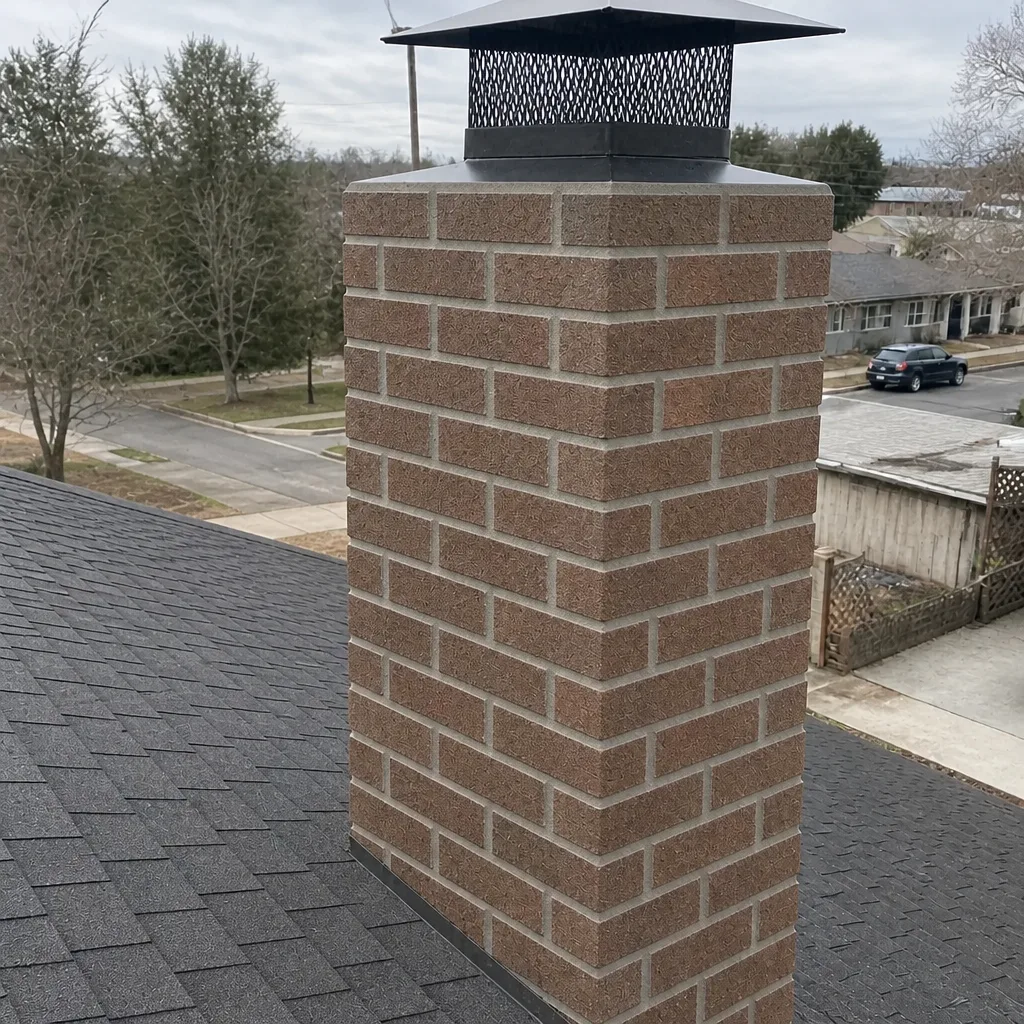
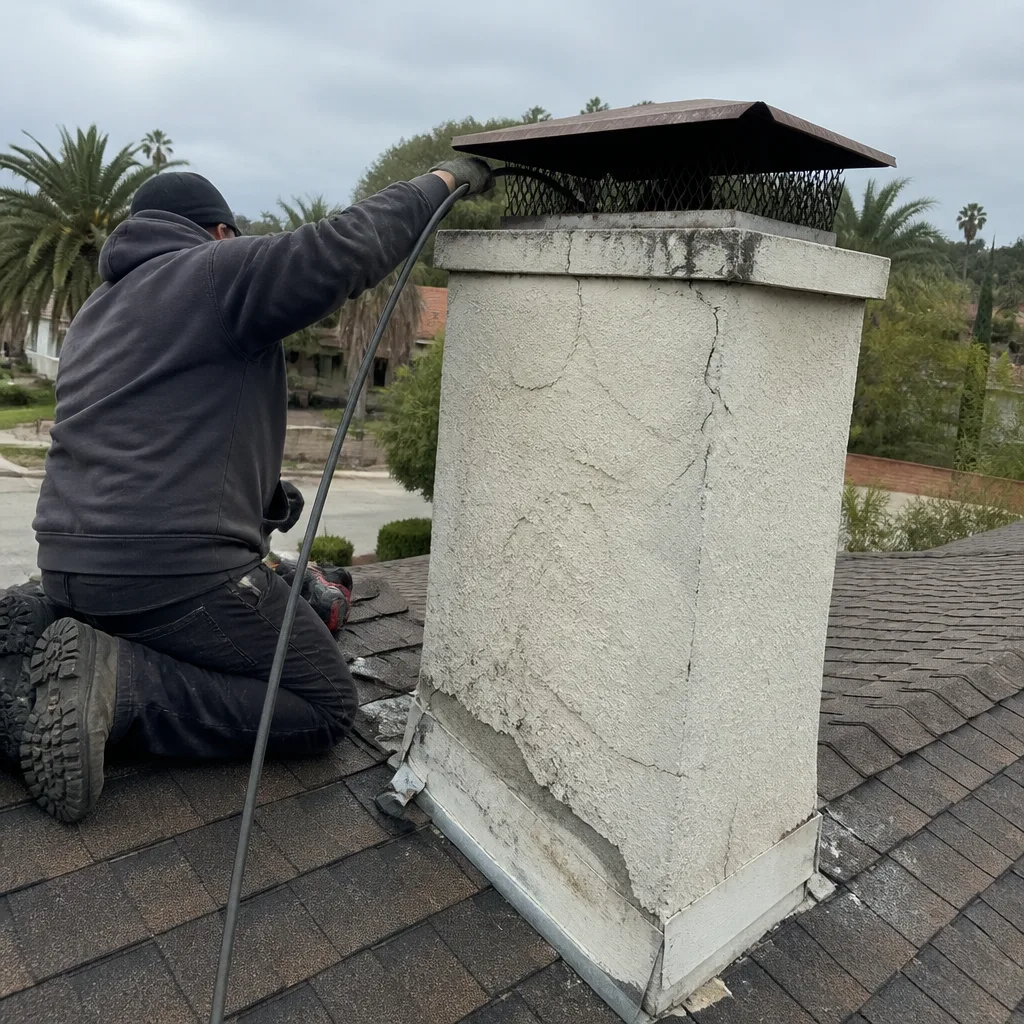
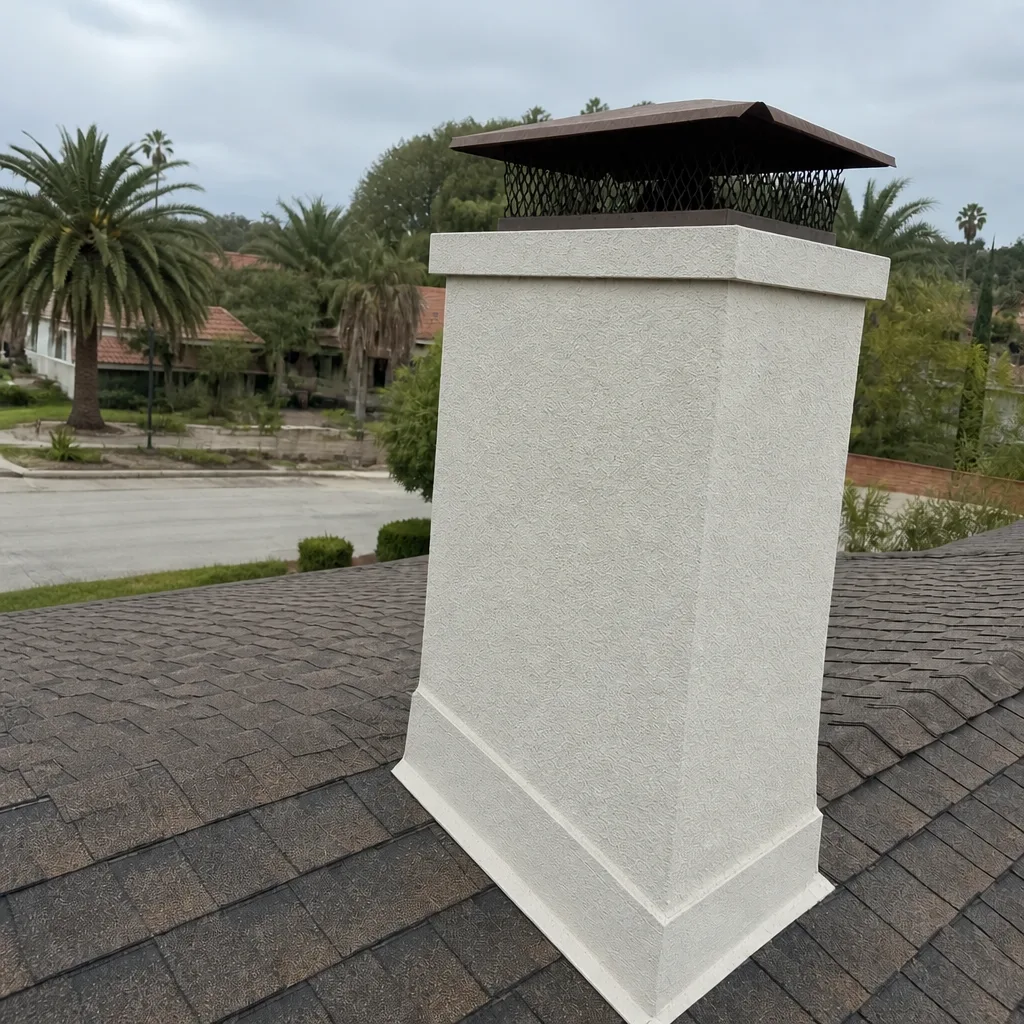
See the difference
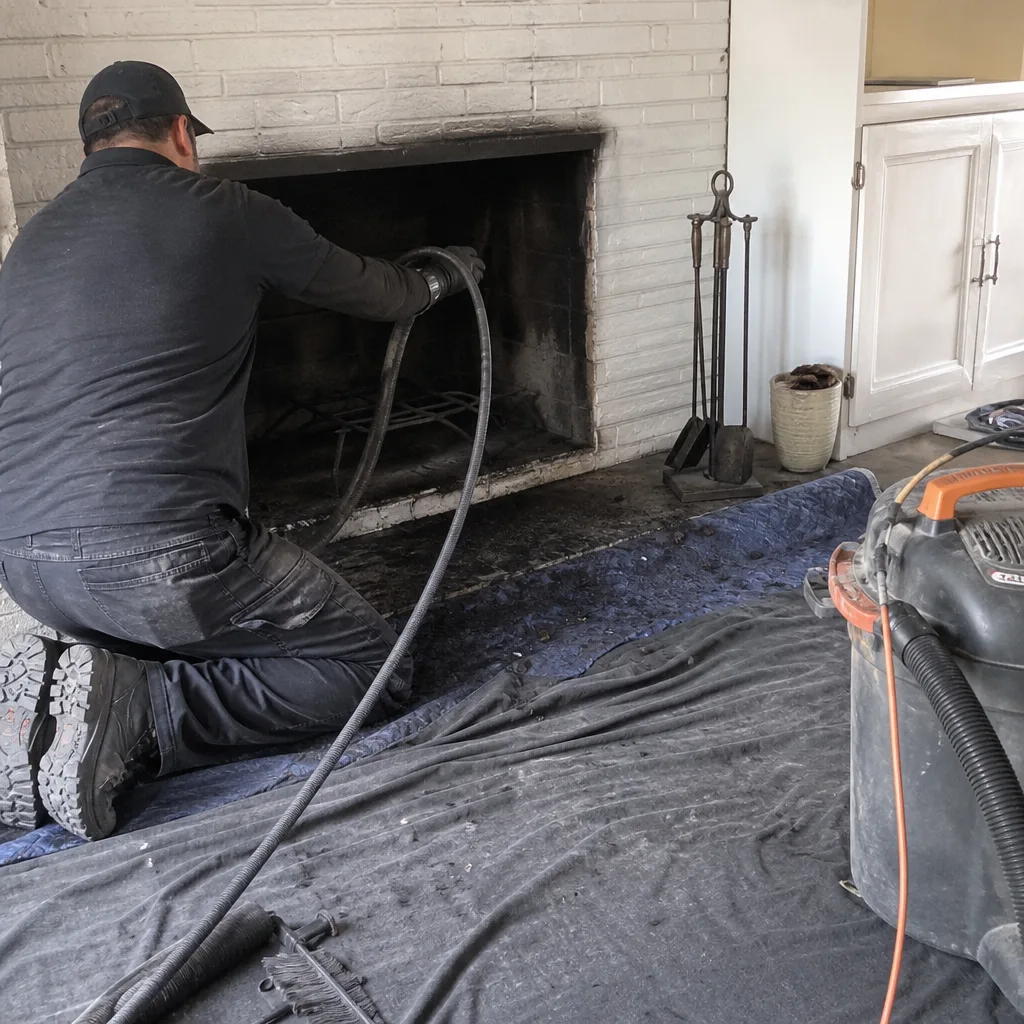 Before
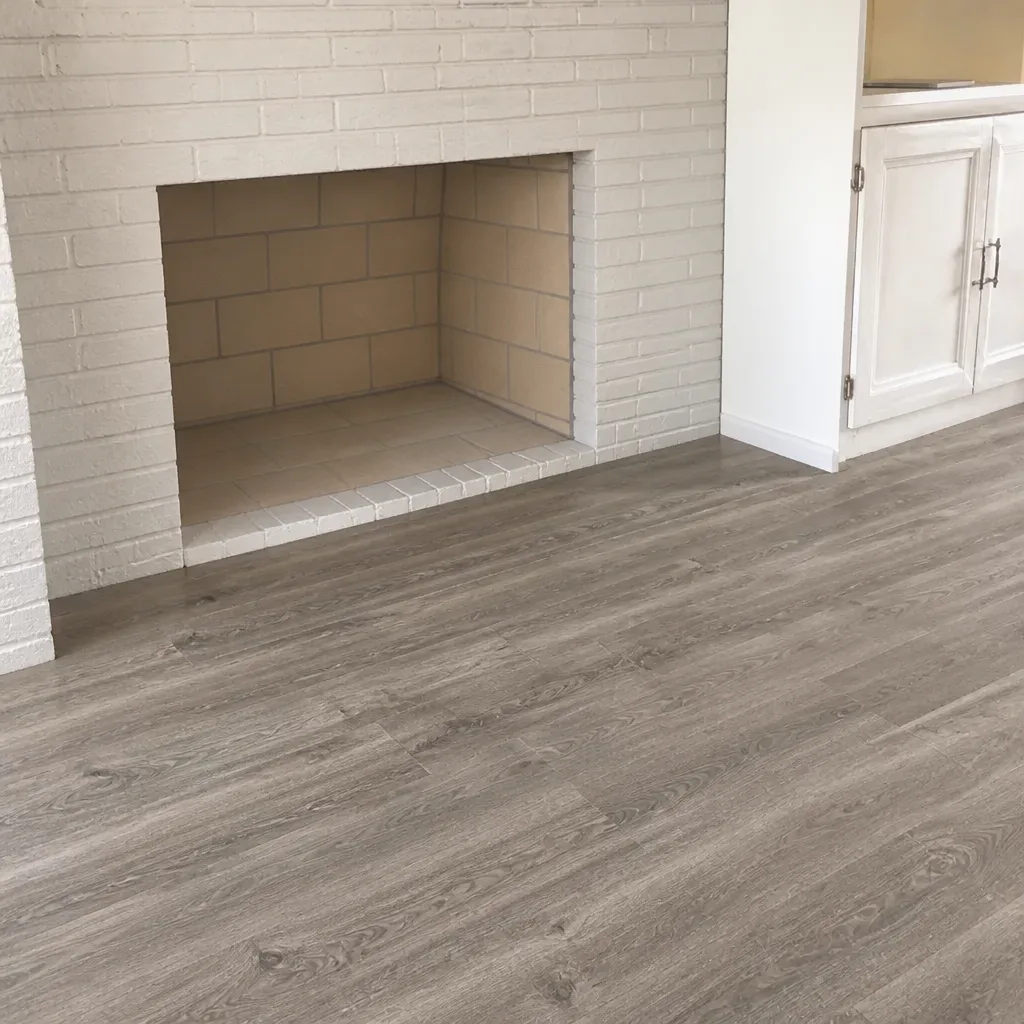 After
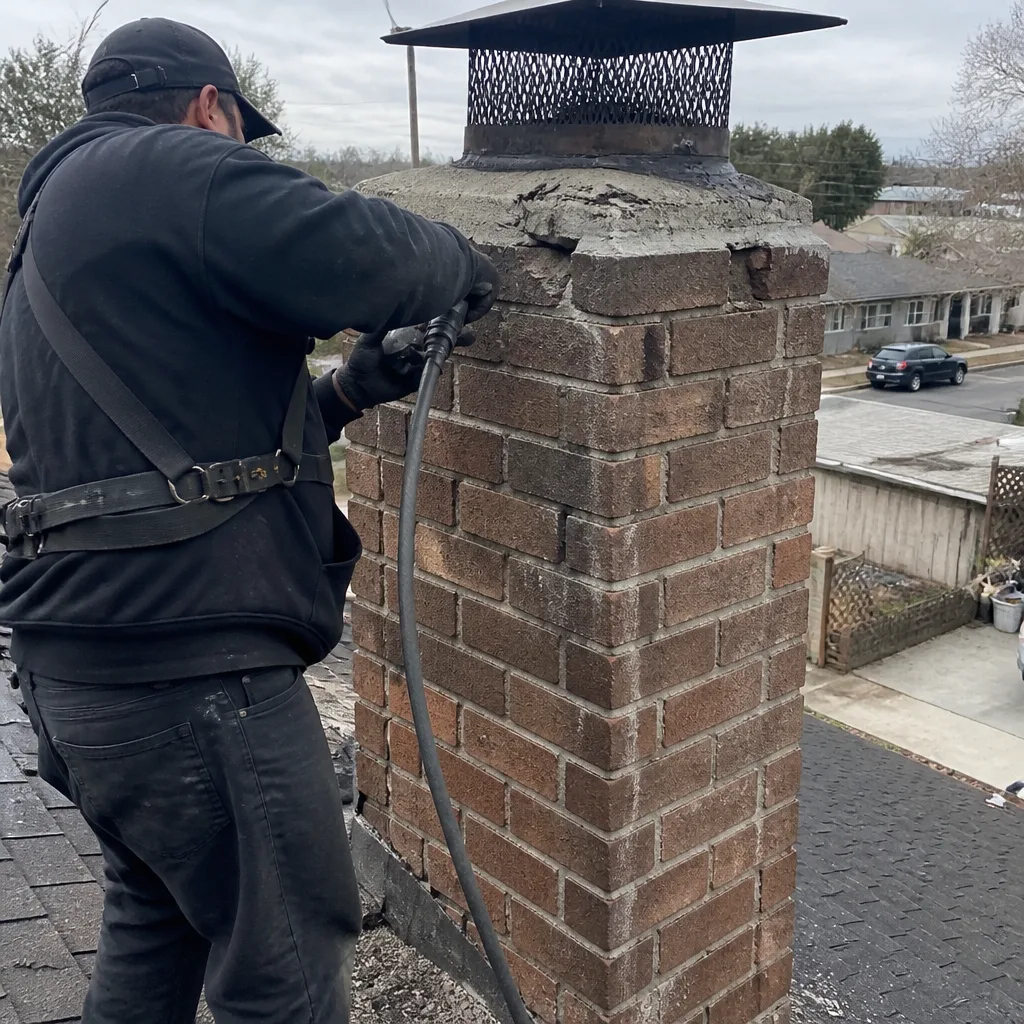 Before
 After
 Before
 After
When to Call a Professional
Call a professional before burning season to schedule a sweep and inspection. Call immediately if you’ve had a chimney fire, if your CO detector has been alarming during fireplace use, or if you see visible signs of chimney deterioration: cracked brick, spalling mortar, efflorescence, or rust on metal components. A blocked flue or failed liner is not a DIY diagnosis. You need camera verification and a repair plan. Ontario Chimney handles the full scope, from chimney sweeping to dryer vent cleaning to structural chimney repair, so one company carries the process from inspection through completion. If you’re in Ontario, call (833) 467-7685 for a free estimate.
Frequently Asked Questions
Close the damper immediately, close glass doors or air inlets, get everyone outside, and call 911 from outside the home. The roaring sound indicates burning creosote, and attempting to use water or investigate from the roof will make the situation worse.
Chimney sweep pricing in Ontario varies based on the chimney’s condition, height, and accessibility, plus whether the flue has heavy creosote buildup. A straight sweep is one scope of work; a chimney with a bird nest removal or significant creosote glazing is another. Call (833) 467-7685 for an exact quote. Estimates are free.
Not always. A Level 3 inspection determines whether the liner is cracked, warped, or separated. If damage is moderate, HeatShield ceramic resurfacing can restore the flue without a full liner replacement in many cases. If the liner is severely compromised, a DuraFlex flexible liner system is the standard professional solution. You should see the camera evidence before deciding.
The National Fire Protection Association recommends an annual inspection and cleaning as needed. Homes that burn green wood, use the fireplace daily, or have older chimneys may need sweeping more often. In Ontario, pre-season scheduling is common because the coldest months concentrate fireplace use.
Creosote accumulates inside the flue, and creosote is the fuel for chimney fires. The more buildup, the less airflow, the more inefficient burning, and the higher the risk of a fire that can breach into the home’s structure. Best case, you get a smoky fireplace. Worst case, an emergency happens on a cold night when the fire is running hard.
Yes. The U.S. Consumer Product Safety Commission identifies dryer vent fires as a leading cause of residential fires, and clogged dryer vents are the primary cause. Dryer Vent Cleaning in Ontario is a standalone fire-safety service, not an upsell. It’s maintenance, not optional.
The Bottom Line
A chimney emergency gives you seconds, not minutes, to make the right decisions. Close the damper. Evacuate. Call 911 from outside. After the fire is out, the chimney is unusable until a professional inspection confirms it’s structurally sound. Before the season starts, schedule a sweep, know your damper, verify your CO detectors, and document your chimney’s condition. Ontario homeowners face specific risks from older chimneys and seasonal burning patterns, and those risks only matter if you leave them unaddressed. The guide above is your reference. Read it, save it, and when you’re ready to prepare properly, explore our more guides & resources or call Ontario Chimney at (833) 467-7685.
Written by the team at Ontario Chimney, serving Ontario since 2014.