
Last updated November 2, 2026
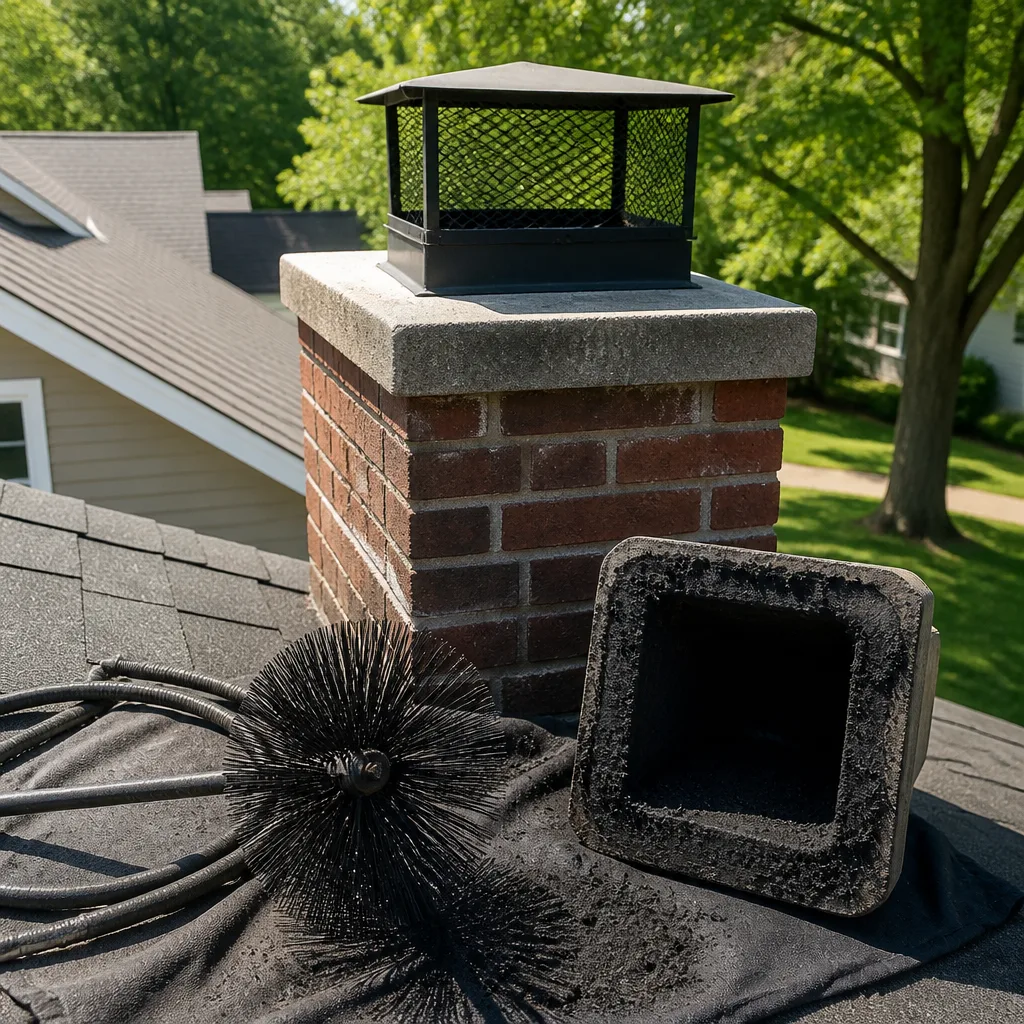 Sweep & inspection
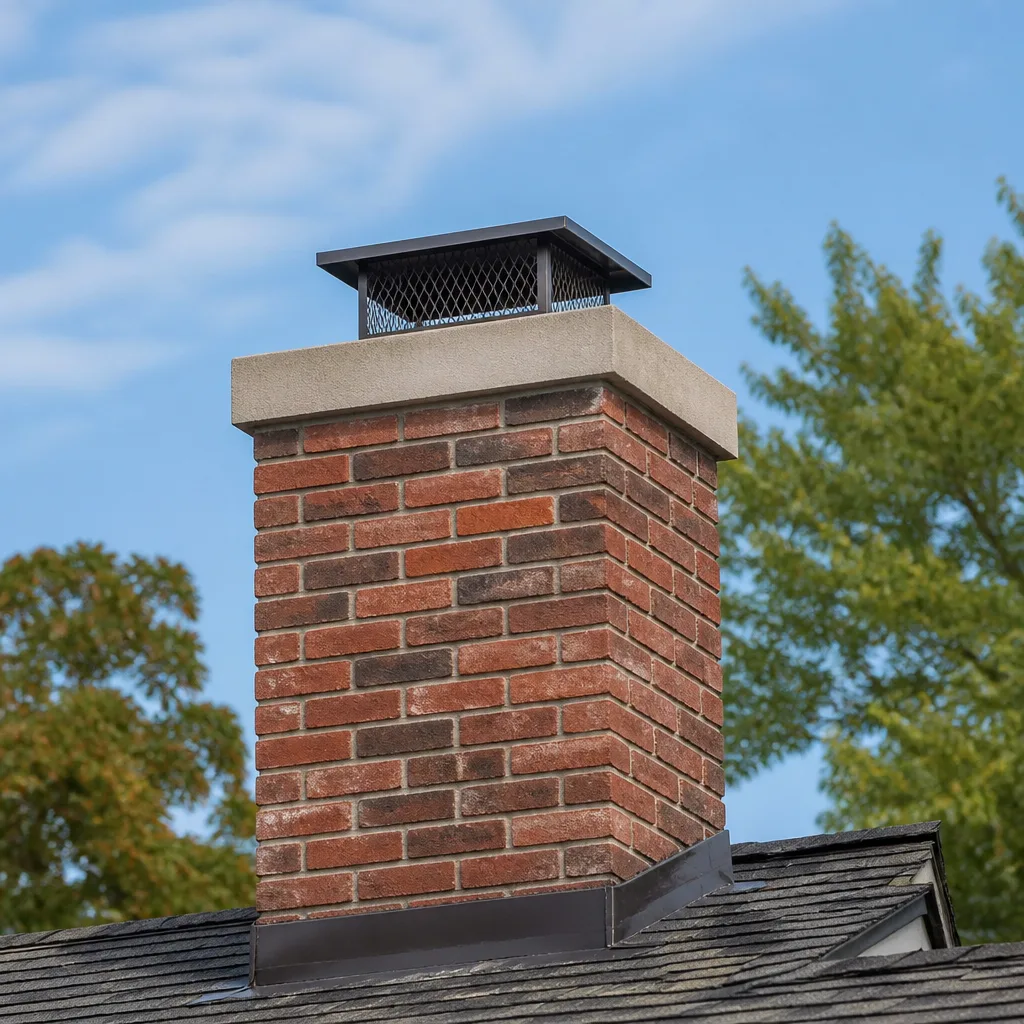 Caps & crowns
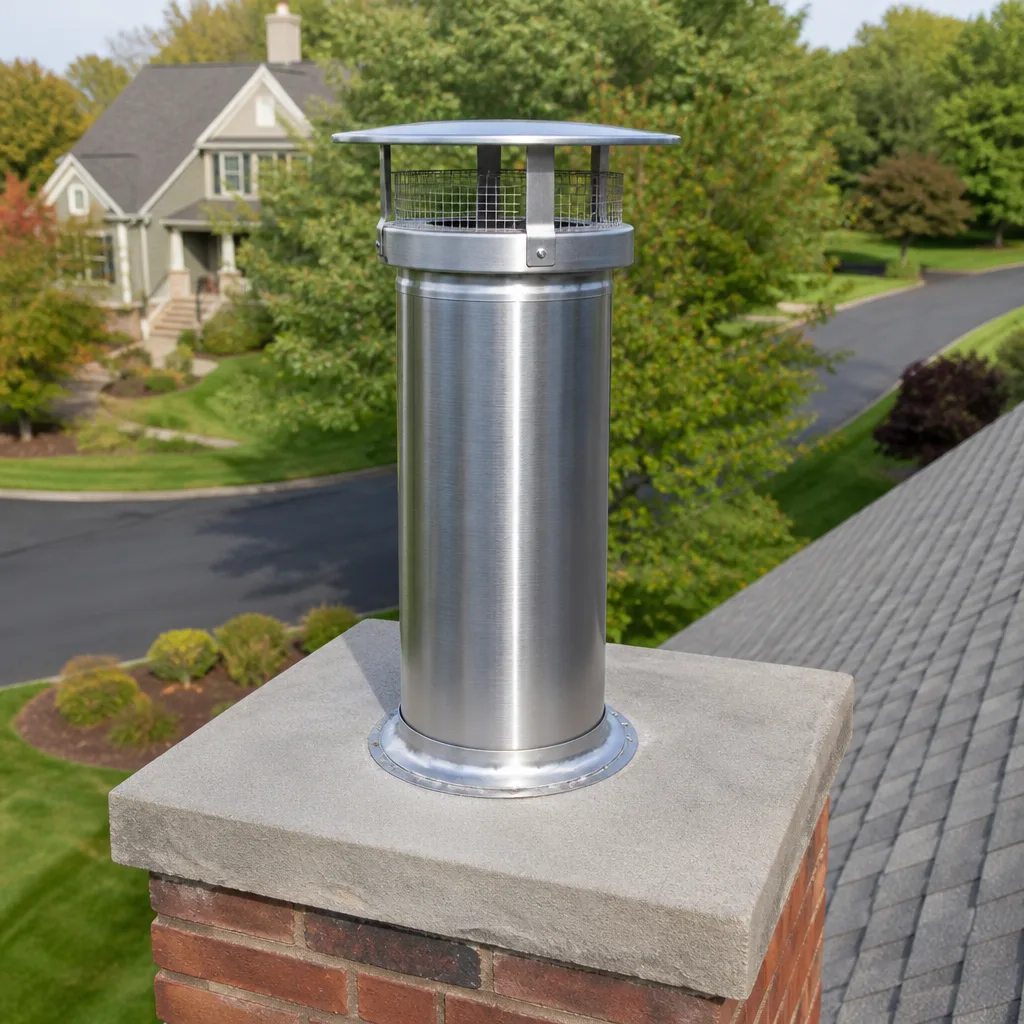 Flue relining
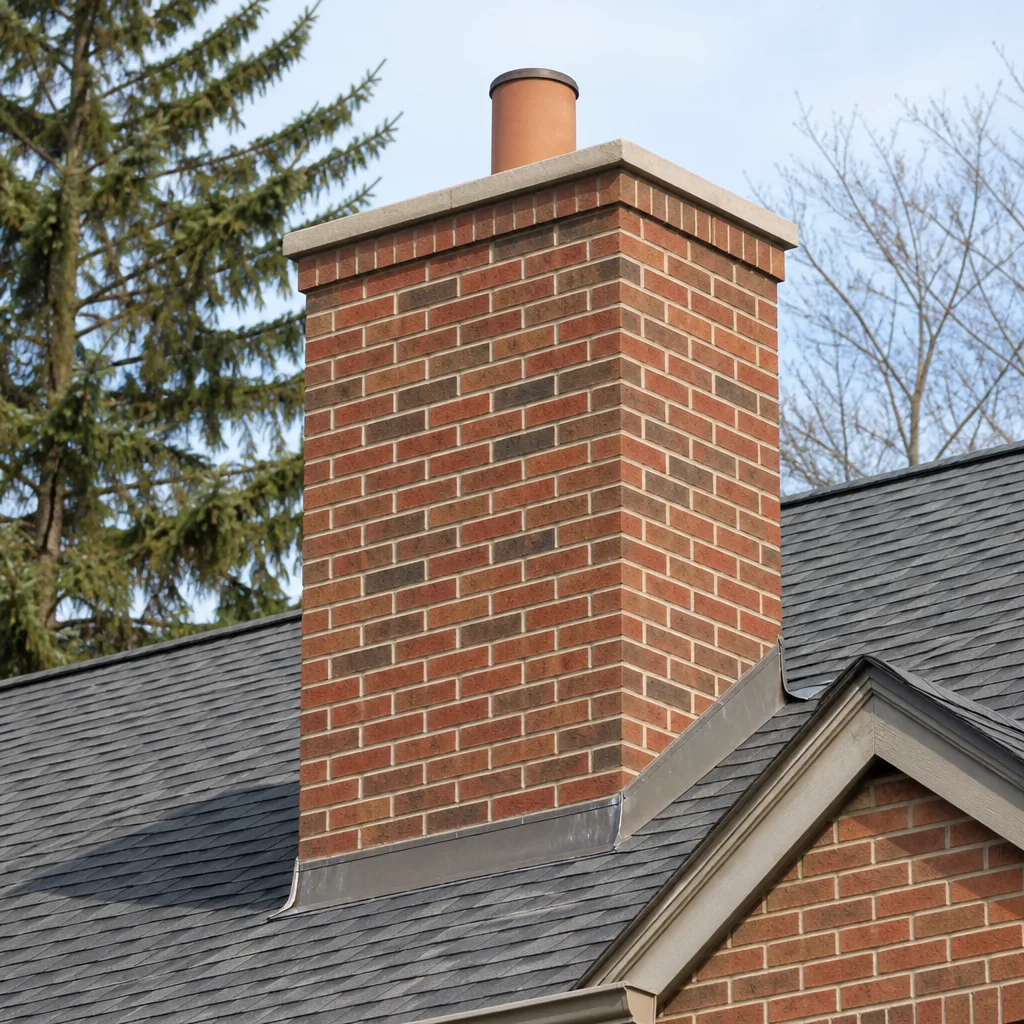 Masonry repair
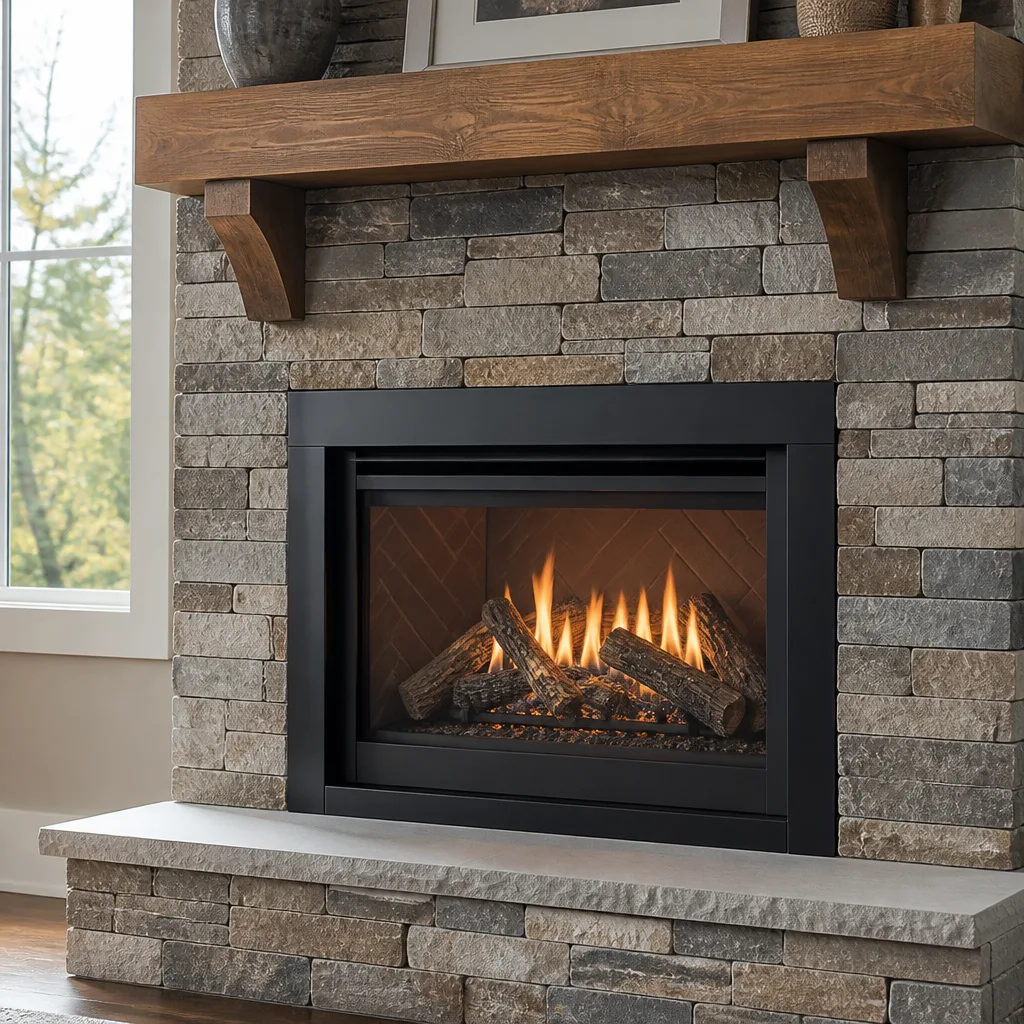 Gas fireplace service
Level 1 sweep and inspection to the NFPA 211 annual standard - flue, crown, cap, and flashing checked and photographed
Chimney sweep logs do not sweep chimneys. They loosen some creosote - which then falls where a brush and vacuum still have to collect it.
Chimney Cleaning Warning Signs: An Ontario Homeowner’s Reference Guide
A white stain running down the exterior of your chimney isn’t an aesthetic problem, it’s efflorescence. That chalky residue is water migrating through your masonry, carrying dissolved salts to the surface. It signals active moisture intrusion that will, given enough Ontario winter rain and summer heat cycles, crack your flue liner from the inside. The symptom looks minor. The failure it predicts is not. Most chimney problems announce themselves quietly, through smells, drafts, and stains that homeowners in Ontario, CA routinely attribute to wet wood, bad weather, or an old house being old. This guide connects those subtle symptoms to their structural causes so you know what’s urgent, what can be monitored, and what’s purely cosmetic, and you can explore Chimney Sweep Troubleshooting: Common Problems and How to Fix Them for deeper diagnostics.
We’ve swept and repaired chimneys across Ontario from the historic homes near Euclid Avenue to the newer developments along the 15 corridor. The pattern is consistent: homeowners don’t call because a chimney looks broken. They call because something feels off. This reference guide gives you the diagnostic language to understand what your chimney is trying to tell you, and you can find more guides & resources on our blog.
Quick Answer
The clearest chimney warning signs in Ontario homes are a strong tarry or smoky odor when the fireplace isn’t in use, visible white staining or flaking brick on the exterior chimney, smoke entering the living space instead of drafting up, and sounds of animals inside the flue. Each maps to a specific underlying problem, creosote buildup, moisture intrusion, draft failure, or animal intrusion, and each has a different urgency level. A blocked or moisture-damaged flue requires professional attention before the next fire; a cosmetic stain on the firebox can usually wait.
Styles & brands we work with
- Sweep & inspection
- Caps & crowns
- Flue relining
- Masonry repair
- Gas fireplace service
Table of Contents
- Odor as a Diagnostic Tool: What Your Nose Already Knows
- Visible Signs on the Chimney Exterior: Efflorescence, Spalling, and Staining
- Draft Problems: Backdraft vs. Blockage and How to Tell Them Apart
- Sounds from the Chimney: Animals, Wind, and Structural Movement
- Gas Fireplace Venting: The Carbon Monoxide Risk Profile
- Stop-Use vs. Monitor: Sorting Urgency in Ontario’s Climate
- Creosote Grades and What They Mean When You See Them
- Dryer Vent Warning Signs: The Overlooked Chimney Cousin
Odor as a Diagnostic Tool: What Your Nose Already Knows
Chimney problems have specific smell profiles, and learning to distinguish them saves you from guessing. The most common odor Ontario homeowners report is a sharp, tarry, almost asphalt-like smell that intensifies on humid days or when the air conditioning kicks on. That’s creosote, the condensed byproduct of wood combustion, and its presence as a noticeable odor means the buildup is significant enough to off-gas. A thin, invisible layer of creosote doesn’t smell. A quarter-inch of glazed creosote smells like a freshly paved driveway, and it’s a fire hazard waiting for the right spark.
A second distinct smell is organic and sharp, unpleasant in a way that creosote isn’t. That’s typically a dead animal: a bird, squirrel, or raccoon that entered through a damaged cap and couldn’t get back out. The smell comes and goes with barometric pressure, intensifying when the air is heavy. A third profile is musty and damp, like a wet basement. That’s moisture, either from rain entry through a damaged crown or from condensation inside an unlined or deteriorating flue. A fourth is acrid and chemical, most common in gas fireplaces, indicating improper venting of combustion gases.
Each of these has a different fix and a different urgency. Creosote odor means schedule a chimney sweep in Ontario before your burning season starts. Dead animal odor means removal and a cap repair, not optional if you want the smell gone. Musty odor means a moisture inspection to find the entry point before the liner fails. Acrid gas odor means stop using the appliance immediately and have the venting checked.
In Ontario’s climate, odor patterns shift seasonally. Santa Ana winds in fall push air down chimneys, compressing normal drafts and amplifying smells that stay dormant in summer. If you smell your chimney most during October wind events, the underlying issue is still real, it’s just being made detectable by weather conditions most homeowners write off as normal.
Visible Signs on the Chimney Exterior: Efflorescence, Spalling, and Staining
Three exterior signs tell you a chimney needs attention before the inside ever shows a problem, and they progress in a predictable order. The first is efflorescence, that white chalky deposit we mentioned earlier. It appears when water enters the masonry and carries dissolved minerals to the surface as it evaporates. Ontario’s combination of winter rain and summer heat accelerates this cycle the wet season pushes water in, the dry season pulls it out, and the white stain grows each year.
Efflorescence alone is a monitoring situation, but it’s a warning that moisture is present. The second stage is spalling, where brick faces begin to flake, pop, or fall away. Spalling means the water inside the brick is freezing and expanding, or that the accumulated salts are crystallizing with enough pressure to break the brick’s surface. Once spalling starts, the structural integrity of the chimney is degrading. The third stage is deep staining, typically dark brown or rust-colored, which often indicates that the internal flue liner has already failed and the combustion byproducts are now migrating through the masonry.
What should an Ontario homeowner look for? Walk outside and inspect the chimney from ground level. Look for white streaks that don’t wash away with rain, that’s efflorescence. Look for brick edges that look rounded, flaked, or uneven, that’s spalling. Look for dark patches that appear below the chimney cap or near the roofline, that’s staining. Any of these paired with interior odor or draft problems means the chimney needs professional assessment, because what’s visible outside is only the symptom of what’s happening inside the flue.
Draft Problems: Backdraft vs. Blockage and How to Tell Them Apart
When smoke enters your living room instead of going up the chimney, an Ontario homeowner’s first instinct is to blame the wood. Wet wood smokes, true, but it doesn’t force smoke back into the house. A backdraft has two distinct causes, and telling them apart takes about five minutes of diagnostic work that doesn’t require any tools you don’t already own.
An atmospheric pressure backdraft happens when the house is too tightly sealed or when competing appliances like bathroom fans, range hoods, or clothes dryers are pulling air out of the house faster than air can come in. The chimney becomes the path of least resistance, and it draws air down instead of up. This is not a chimney problem, it’s a ventilation problem. A blockage backdraft happens when something is physically preventing the flue from doing its job: an animal nest, a collapsed liner section, or enough creosote to reduce the flue opening below what the appliance needs to draft properly.
Here’s the diagnostic sequence, in order:
- Crack a window in the room with the fireplace. If the smoke reverses direction and drafts up immediately, the backdraft is atmospheric, not a chimney blockage.
- Turn off competing exhaust appliances. If the backdraft stops when the range hood and dryer are off, the house is under negative pressure.
- Shine a flashlight up the flue from inside the firebox, damper open. A clear view of daylight at the top means the flue is unobstructed; a dark, fuzzy, or blocked view means you’ve found the problem.
- Check the damper itself. Ontario homes built before 1990 often have original throat dampers that rust, warp, or seize partially closed. A damper that won’t open fully restricts the draft and mimics a blockage.
- If the damper opens, no exhaust fans are running, a window is open, and smoke still backdrafts, the flue is blocked or compromised. Stop using the fireplace and schedule a professional inspection.
In our experience across Ontario, a surprising number of what homeowners assume are chimney blockages turn out to be negative pressure issues. But the opposite also happens, and a homeowner who tries to fix a flue blockage by opening windows ends up with smoke damage and a false sense that the problem was solved. The five-step check above tells you which situation you’re in.
Sounds from the Chimney: Animals, Wind, and Structural Movement
Three distinct categories of chimney sounds each mean something different. Scratching, scurrying, or chirping means animals, most commonly birds in spring or raccoons in fall in Ontario, and the fix is a chimney cap installation after removal. The sound of animals in the flue is never a “wait and see” situation: nesting material is combustible, and a nest that blocks even a third of the flue changes the draft characteristics significantly.
A whistling or moaning sound during wind events usually means a damper gap or a cap design that’s creating a resonant effect. It’s annoying but not dangerous, and it often resolves with a properly fitted damper or a different cap style. What it does tell you is that air is moving through the flue even when the fireplace isn’t in use, which means warm air from your house is escaping in winter and hot Ontario summer air is coming in. That’s an energy cost, not just a noise issue.
The third sound is harder to hear but more serious: a sharp cracking or popping sound from the masonry itself, most often heard after a fire has been burning for a while. Thermal expansion moves chimney materials, and normal expansion is quiet. A popping sound can indicate a liner that has already cracked and is flexing at the crack point under heat, or mortar joints that are failing under the load. If you hear this, note when it happens, during warm-up or cool-down, and report it during an inspection. Structural movement doesn’t self-correct.
Gas Fireplace Venting: The Carbon Monoxide Risk Profile
Wood-burning fireplaces announce their problems with smoke and odor. Gas fireplaces are quieter, which makes their warning signs more dangerous. A gas fireplace or gas insert produces carbon monoxide as a byproduct of combustion, and a venting problem means that CO can enter your living space without the smoke or tar smell that would alert you in a wood-burning system. CO is odorless and colorless, which is why every Ontario home with a gas appliance needs working CO detectors on every floor, and why venting issues with gas appliances are treated as stop-use situations until inspected.
The most common gas venting warning signs are:
- Water beading or condensation on the window glass near the fireplace after it’s been running, indicating improper venting of moist combustion gases into the room instead of up the flue.
- A metallic or chemical smell during operation, distinct from gas odor and indicating either incomplete combustion or venting failure.
- Soot deposition around the firebox edges or on the glass, which means the gas-to-air mixture is off and incomplete combustion is occurring.
- A pilot light that repeatedly goes out, suggesting a draft reversal in the vent system.
- Discoloration or staining above the fireplace on the wall or mantel, indicating hot gases escaping the vent path.
Gas fireplaces in Ontario homes range from direct-vent models that draw outside air to B-vent systems that use interior air. Each has a specific venting path, and any modification to the system, a mantle addition, a TV mount, a mantel shelf installed too close to the opening, change the clearance requirements and venting characteristics. If your gas fireplace is older than 15 years and hasn’t had its venting inspected, that inspection should move up your priority list. The stakes are simply higher than with a wood system.
Stop-Use vs. Monitor: Sorting Urgency in Ontario’s Climate
Not every warning sign means “put down the matches.” Some mean “inspect before next season.” A few mean “this can wait a year.” Sorting them correctly prevents both overreaction and underreaction, and Ontario’s specific climate patterns shape where lines get drawn; see our Chimney Sweep Maintenance Checklist for Ontario Homeowners for a seasonal framework.
Stop-use signs mean the fireplace should not be lit until a professional has inspected and addressed the issue:
- Smoke backdraft that persists even with a cracked window and exhaust fans off. The flue is blocked or failed.
- Acrid or chemical odor from a gas fireplace during operation.
- Hearing popping or cracking from the chimney structure during a fire.
- Visible daylight through cracks in the mortar joints when viewing the chimney from outside
- Any gas venting symptom from the section above.
Monitor signs mean the issue is developing but doesn’t require immediate action, assuming normal use:
- Efflorescence without accompanying spalling or staining. Schedule a moisture inspection within the year.
- Mild creosote odor only on high-humidity days. Schedule a sweep before burning season.
- Whistling or moaning sounds from the cap during Santa Ana winds. Address when convenient.
- A damper that moves stiffly but still opens and closes fully.
- A minor draft when the fireplace is cold, meaning room air is escaping up the chimney, correctable with a damper upgrade when budget allows.
The Ontario-specific variable is the dry season. Our long, rain-free summers mean that water intrusion problems develop slowly and become detectable only when the rains return. A chimney that looks fine in August can show efflorescence by February after rain has been working through the masonry for months. The practical guidance: check the chimney exterior twice a year, once in spring after the rainy season ends and once in fall before burning begins.
Creosote Grades and What They Mean When You See Them
If you open your damper and look up the firebox with a flashlight, what you see on the flue walls tells you a lot about the chimney’s current state. Creosote forms in three stages, and each is visually distinct.
Stage one is a fine, powdery dust, gray or brown, that brushes off easily. This is normal combustion residue from any wood-burning fireplace, and it’s what a routine sweep removes. It’s not a warning sign by itself; it’s simply maintenance due.
Stage two is a flaky, crunchy deposit that’s black and resembles granulated charcoal or coffee grounds. It forms when creosote accumulates without dry-burning cycles to break it down. At this stage, the creosote is a real fire hazard, and the flue is working harder to draft. A chimney with visible flaky creosote needs sweeping from a professional chimney sweep serving Ontario before the next fire.
Stage three is glazed, tar-like creosote, shiny, hard, and baked onto the flue walls. It’s the most dangerous form because it’s concentrated fuel that burns at very high temperatures, and it resists standard brushing. Removing glazed creosote requires chemical treatments followed by mechanical removal, and in some cases, the flue is damaged enough by the conditions that produced the glaze to warrant resurfacing or relining. A homeowner can identify stage three by its appearance, shiny and dark, almost like a burnt sugar coating on the flue surface.
We see more stage three creosote in Ontario in fireplaces that burn unseasoned wood or that have been used for years without inspection. The previous owner’s maintenance history, or lack of it, shows up on the flue walls. If you’ve recently bought a home in Ontario with a wood-burning fireplace and don’t know when it was last swept, assume it needs attention. The Ontario Chimney home page has details on what a full inspection includes.
Dryer Vent Warning Signs: The Overlooked Chimney Cousin
A dryer vent is technically a chimney for your laundry room, and the fire-safety stakes are just as high. While this guide focuses on fireplace chimneys, Ontario homeowners should know the dryer vent warning signs because we see the same pattern, the vent that hasn’t been cleaned in a decade, the one behind the wall that nobody thinks about, the one that’s carrying lint into a restricted duct and raising the temperature of the exhaust flow.
The NFPA reports that dryer fires cause an average of 13,820 home fires per year in the United States, with the leading cause being failure to clean the dryer vent, a statistic every homeowner should take seriously. The warning signs of a restricted dryer vent are specific and easy to check:
- Clothes take longer than one cycle to dry, especially towels and heavy loads.
- The exterior vent flap doesn’t open fully when the dryer is running.
- The dryer exterior is hot to the touch during operation.
- The laundry room is noticeably humid during a drying cycle.
- A burnt smell is present during operation.
- Visible lint accumulation around the exterior vent opening.
Any one of these means the vent is restricted. Two or more means it’s significantly blocked. Ontario homes with long vent runs or roof-terminated vents are at higher risk because the geometry allows more lint settling along the duct length. If your dryer vent hasn’t been serviced, dryer vent cleaning in Ontario is a standalone fire-safety service that takes about an hour and removes the accumulated lint that standard dryer filters don’t catch. It’s maintenance, not optional, and the alternative is a fire that starts behind a wall where you can’t see it.
Common Mistakes to Avoid
- Burning “chimney cleaning logs” as a substitute for sweeping. These products loosen some creosote but don’t remove it, and they can dislodge deposits that then block the flue lower down, creating a draft problem where none existed before.
- Ignoring a musty smell because the fireplace “works fine.” Moisture and functionality are separate issues. A chimney can draft perfectly while the liner is degrading from water damage, and the first sign of the liner failure might be a chimney fire rather than a performance problem.
- Assuming a new house has a clean chimney. Ontario’s real estate market routinely transfers homes without chimney inspections, and a previous owner’s deferred maintenance becomes yours on closing day. If you didn’t get a Level 2 chimney inspection during escrow, get one before your first fire.
- Checking the chimney only from the firebox level. The critical failures in Ontario’s climate start at the top, the cap, crown, and upper flue, where rain enters and weather does its work. The firebox can look fine while the upper flue is compromised.
- Dismissing efflorescence as cosmetic. The white stain itself is harmless. What it represents, active water migration through the masonry, is not. Treat it as the diagnostic indicator it is, not a surface blemish.
- Running a gas fireplace with a CO detector beeping intermittently. Intermittent beeps can mean low battery, but if you’ve replaced the battery and the beep persists, treat it as a CO alert and have the venting inspected immediately. The cost of an inspection is trivial compared to the alternative.
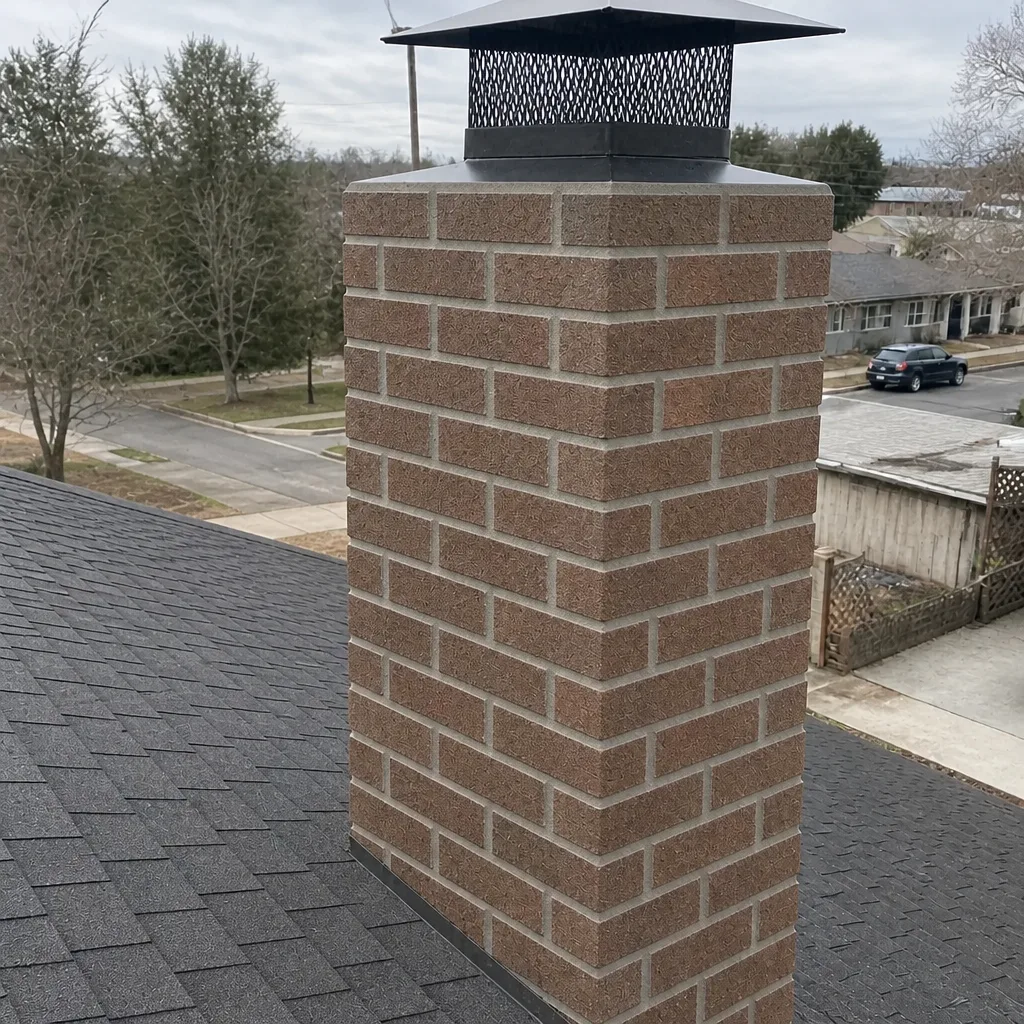
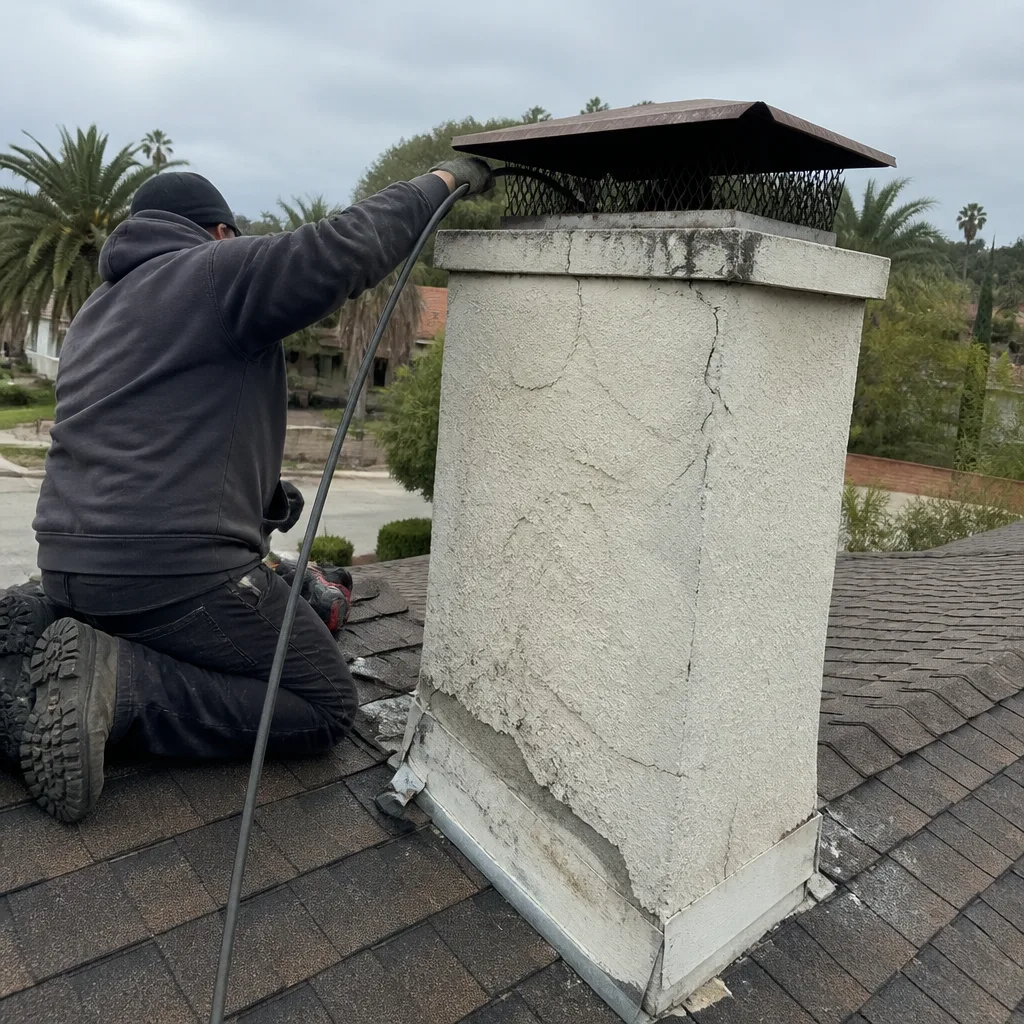
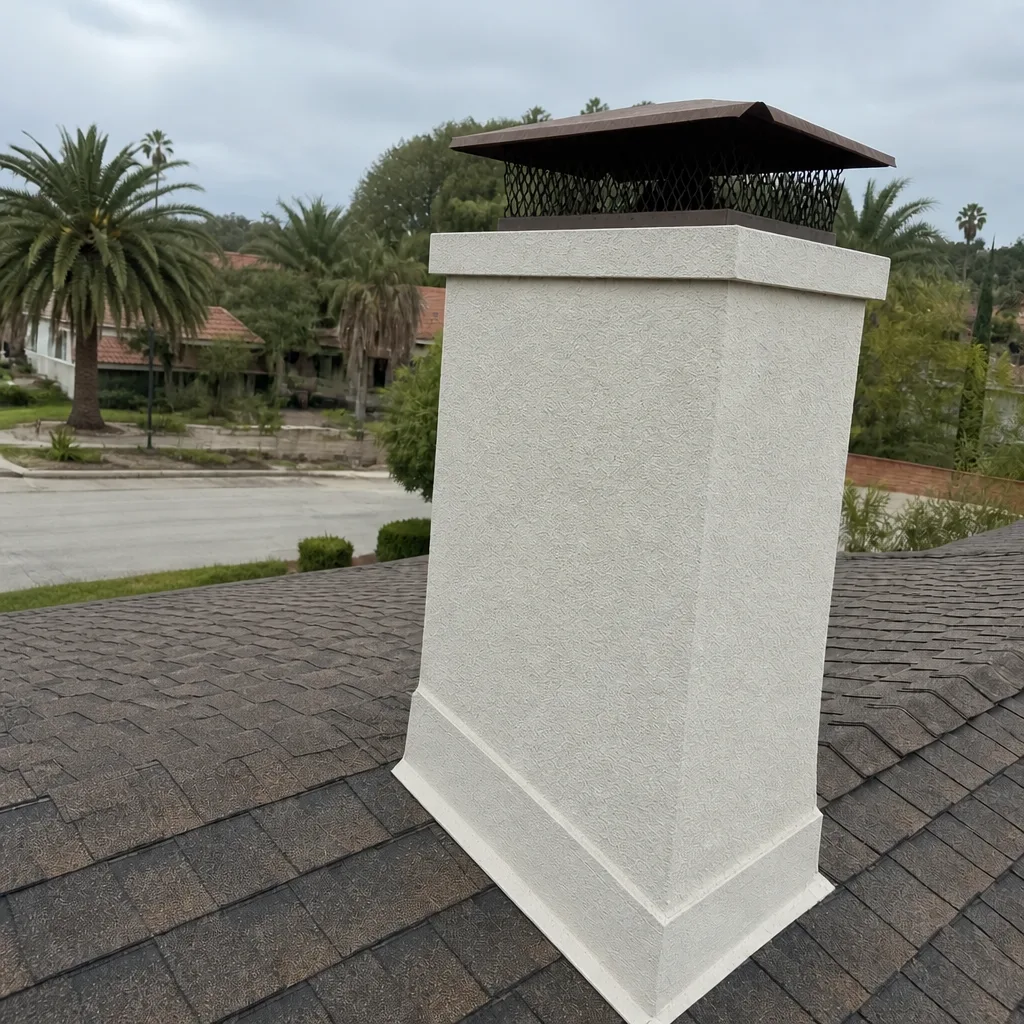
See the difference
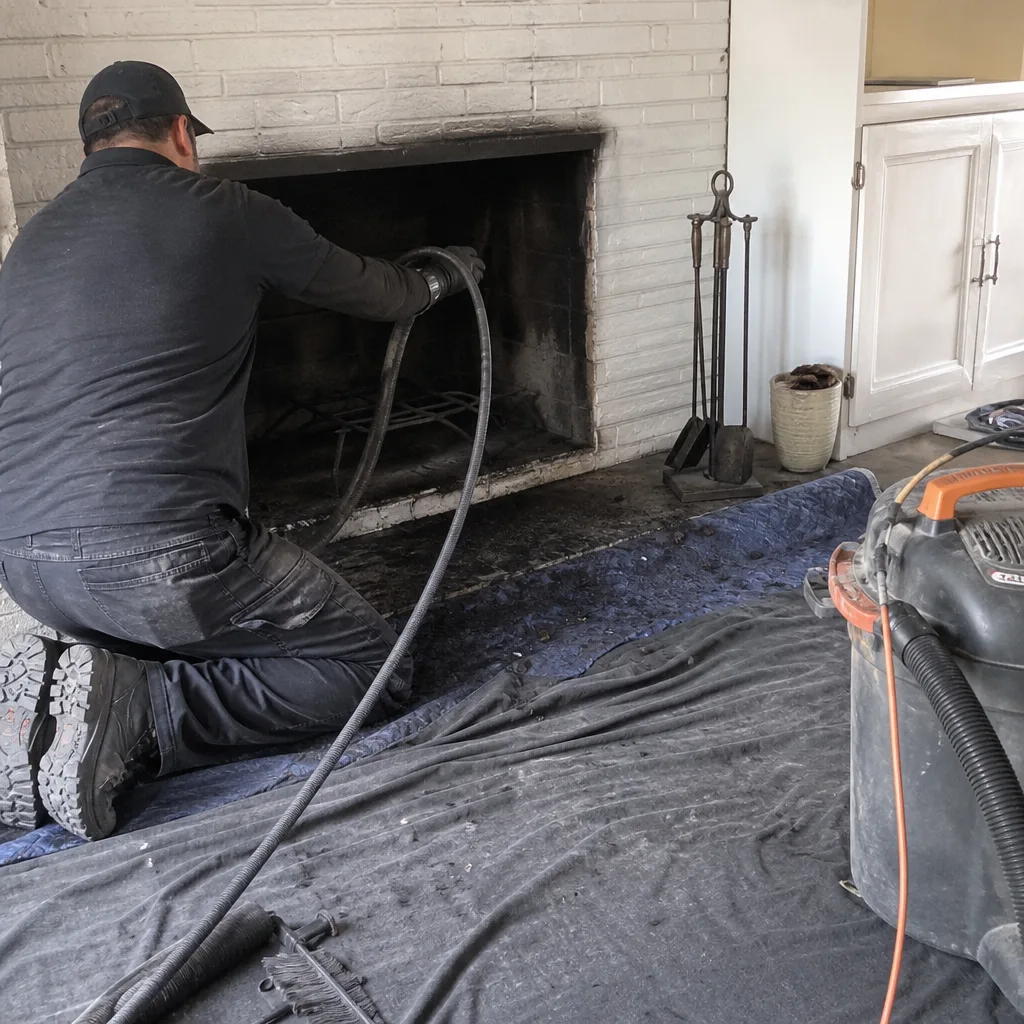 Before
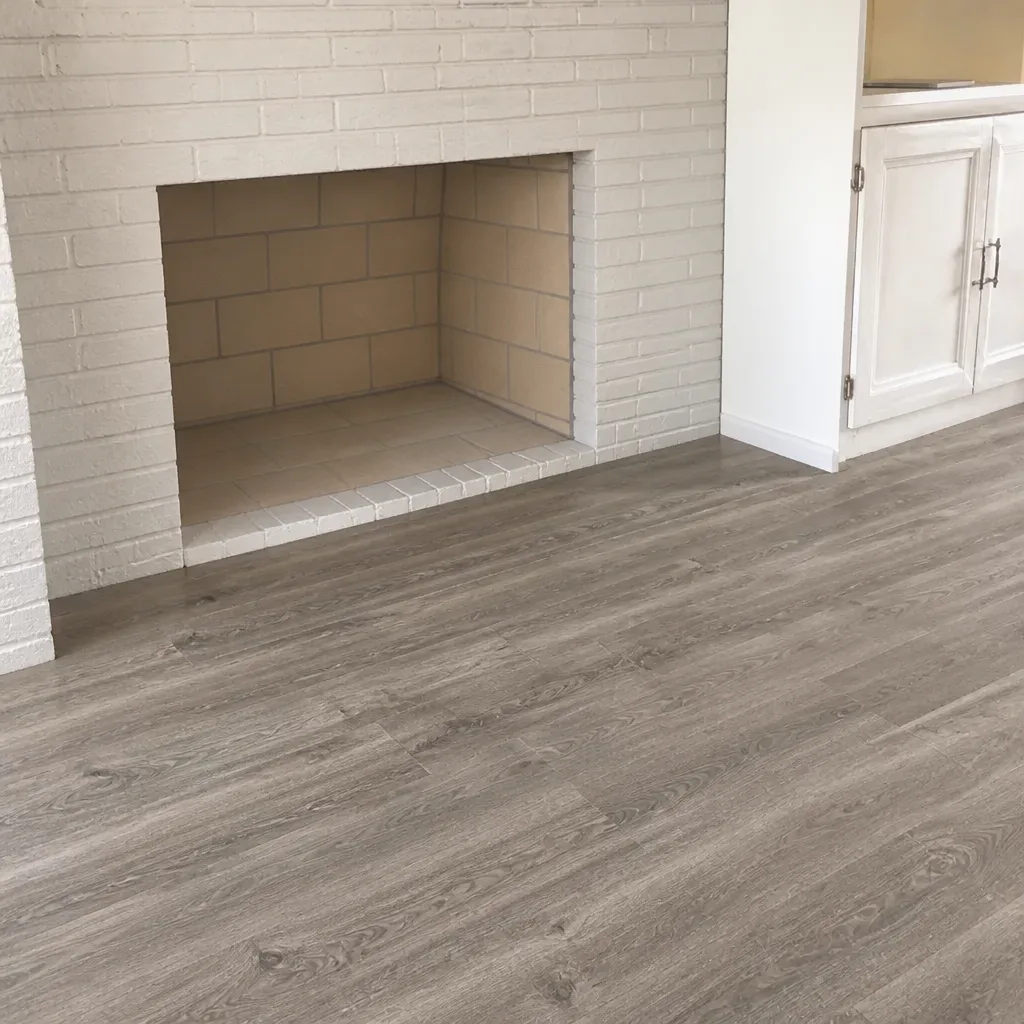 After
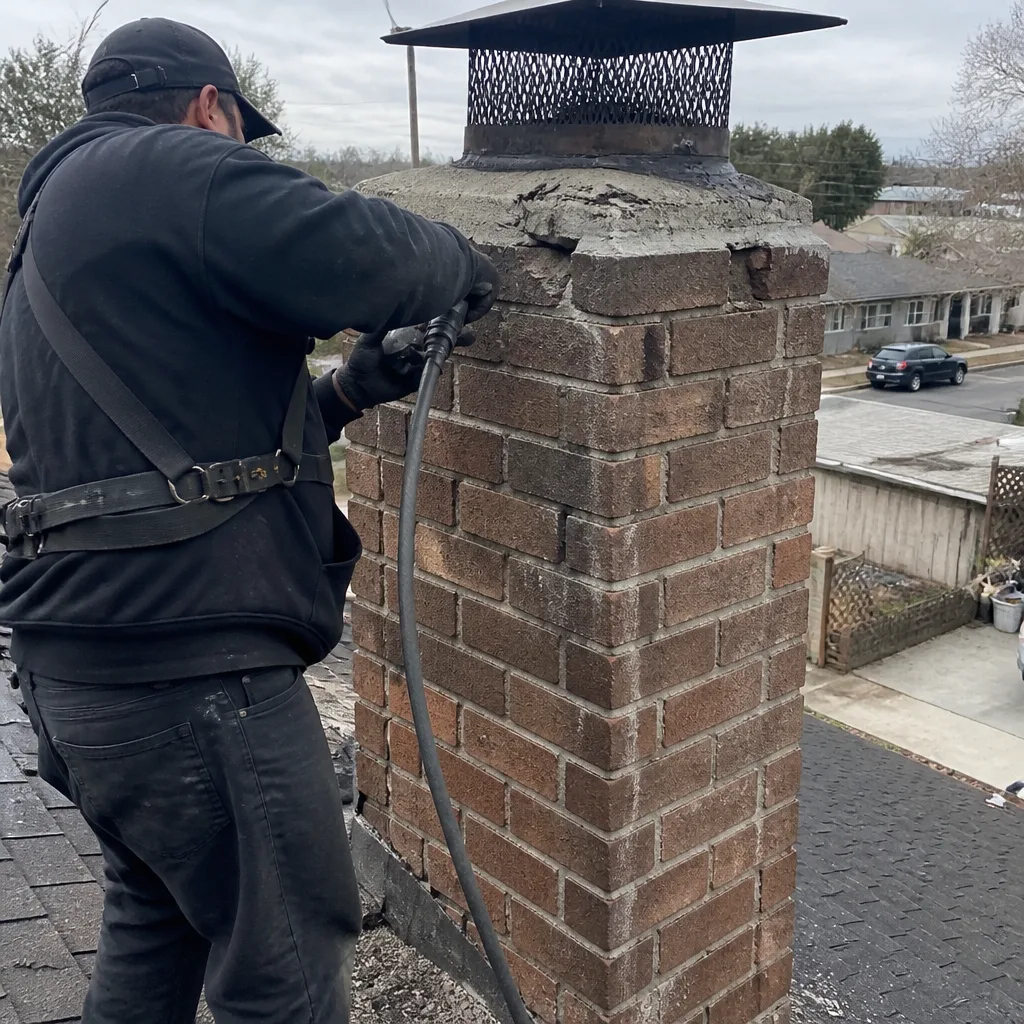 Before
 After
 Before
 After
When to Call a Professional
If any stop-use sign from this guide is present, if you’ve completed the backdraft diagnostic and the smoke still won’t draft, if you see evidence of animal activity in the flue, or if you’re a new Ontario homeowner with no documentation of when the chimney was last inspected, call a professional before the next fire. A Level 1 inspection is a visual check of the accessible chimney components. A Level 2 inspection includes video scanning of the interior flue and is what we recommend when a home changes hands, when a chimney has been exposed to weather damage, or when any warning sign is present. Ontario Chimney offers free estimates in Ontario, call (833) 467-7685. We’ll show you what the camera sees, tell you what’s urgent, and what can wait, and give you written options for whatever the flue needs.
Frequently Asked Questions
Your chimney needs cleaning if you see stage two or stage three creosote when you look up the flue with a flashlight, if you smell a tarry odor when the fireplace isn’t in use, if a sweep has not been done in the past year of regular use, or if smoke drafts sluggishly even with the damper open. A thin layer of powdery stage one creosote is normal and means cleaning is due; a shiny, flaky, or crusty deposit means clearing is overdue. If you’re not sure what you’re seeing, call (833) 467-7685 and we can help you assess it.
The Chimney Safety Institute of America recommends sweeping once the creosote reaches roughly one-eighth of an inch in thickness, which for most wood-burning Ontario fireplaces means an annual sweep if the fireplace is used regularly during winter. Gas fireplaces need the venting inspected annually even though they don’t produce creosote, because the vent system can degrade and carbon monoxide is the risk. Homes that burn a fire more than twice a week through the season may need twice-annual attention.
Chimney odor when the fireplace is cold comes from creosote off-gassing, moisture trapped inside the flue, or an animal that has entered and died. The smell profile tells you which: tarry means creosote, musty means moisture, and organic and sharp means an animal. The conditions that make the smell noticeable, like Ontario’s humid summer days or fall wind events, don’t cause the smell, they just make an existing problem detectable. Call us for an inspection and we’ll identify what you’re smelling and where it’s coming from.
A working chimney liner serves three functions: it contains combustion gases and routes them outside, it protects the surrounding masonry from heat and corrosion, and it’s sized to the appliance for proper draft. If an inspection shows the liner is cracked, spalling, or missing, the chimney is not safe to use until it’s addressed. Some liner damage can be repaired with a resurfacing system like HeatShield instead of full replacement, which is a lower-cost option when the underlying structure is sound. The only way to know is a camera inspection.
Skipping sweeping means creosote accumulates, and creosote is combustible. A chimney fire can reach 2,000 degrees Fahrenheit, hot enough to crack the flue liner, damage the masonry, and spread to the house structure. Even without a fire, a heavily creosoted chimney drafts poorly and forces smoke into the house. In Ontario homes, a chimney that hasn’t been swept in three or more years usually requires more than a standard sweep by the time it’s addressed, because the buildup hardens and the flue often shows damage from the conditions that caused the buildup in the first place. Call (833) 467-7685 for a free estimate and we’ll assess what you’re working with.
A sweep is the physical removal of creosote and debris from the flue. An inspection is an assessment of the chimney’s condition, looking for liner damage, moisture intrusion, clearance problems, and structural issues. A good sweep includes a basic visual inspection, but a comprehensive inspection goes further, often using a video camera to examine the interior of the flue. In practice, we perform both together on service calls, because sweeping a chimney without assessing its condition is like an oil change without looking at the engine. For chimney repair in Ontario, the inspection findings determine what the repair scope needs to be.
The Bottom Line
Chimney warning signs are rarely dramatic. They show up as a smell on a humid afternoon, a white stain that grows slowly each year, a smoke wisp that enters the room instead of rising, or a sound from the flue that wasn’t there last season. In Ontario’s climate, with its dry summers and wet winters, these signs develop in predictable patterns, and the homeowner who knows what to look for catches problems before they become structural failures or fire hazards. Trust your nose, trust your eyes, do the five-step backdraft check when smoke misbehaves, and treat gas venting issues as stop-use situations until proven otherwise. When in doubt, an inspection answers the question with evidence, not guesswork.
Written by the team at Ontario Chimney, serving Ontario since 2014.