
Last updated November 2, 2026
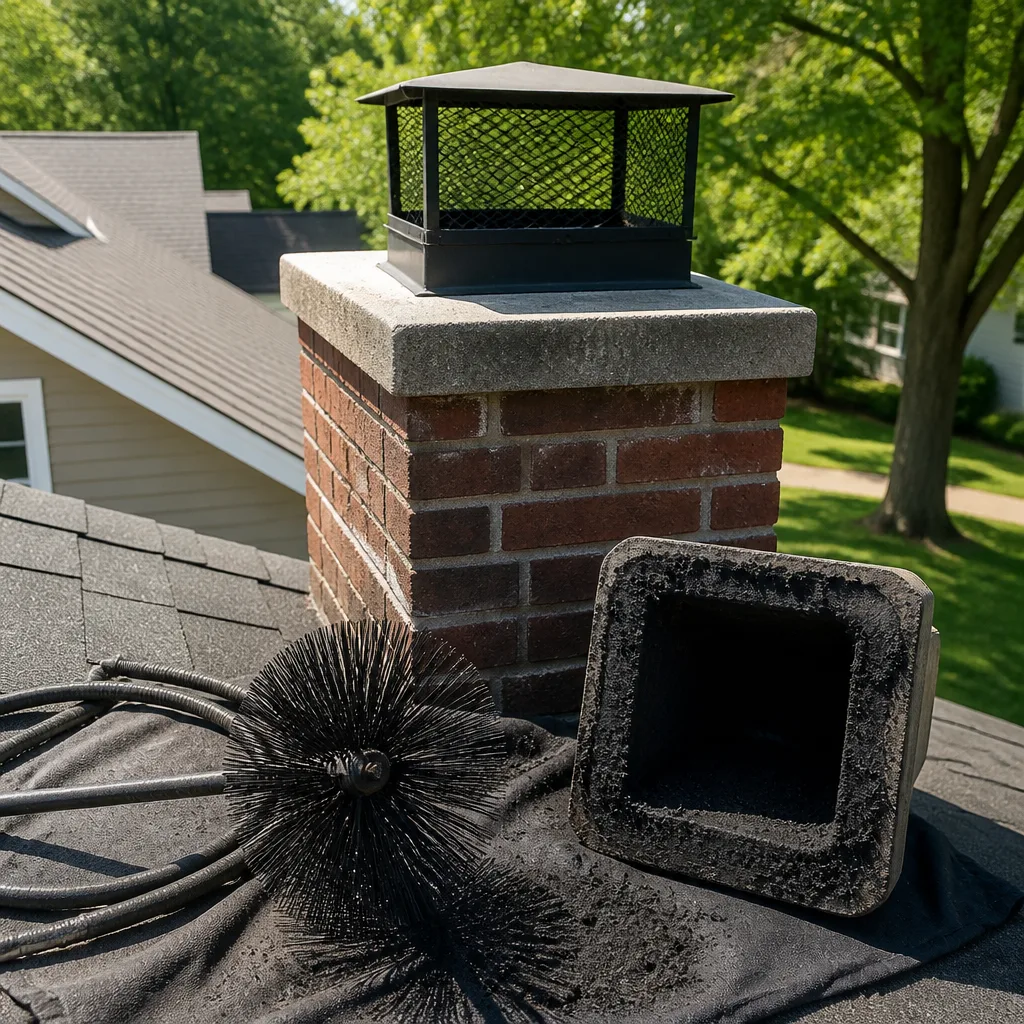 Sweep & inspection
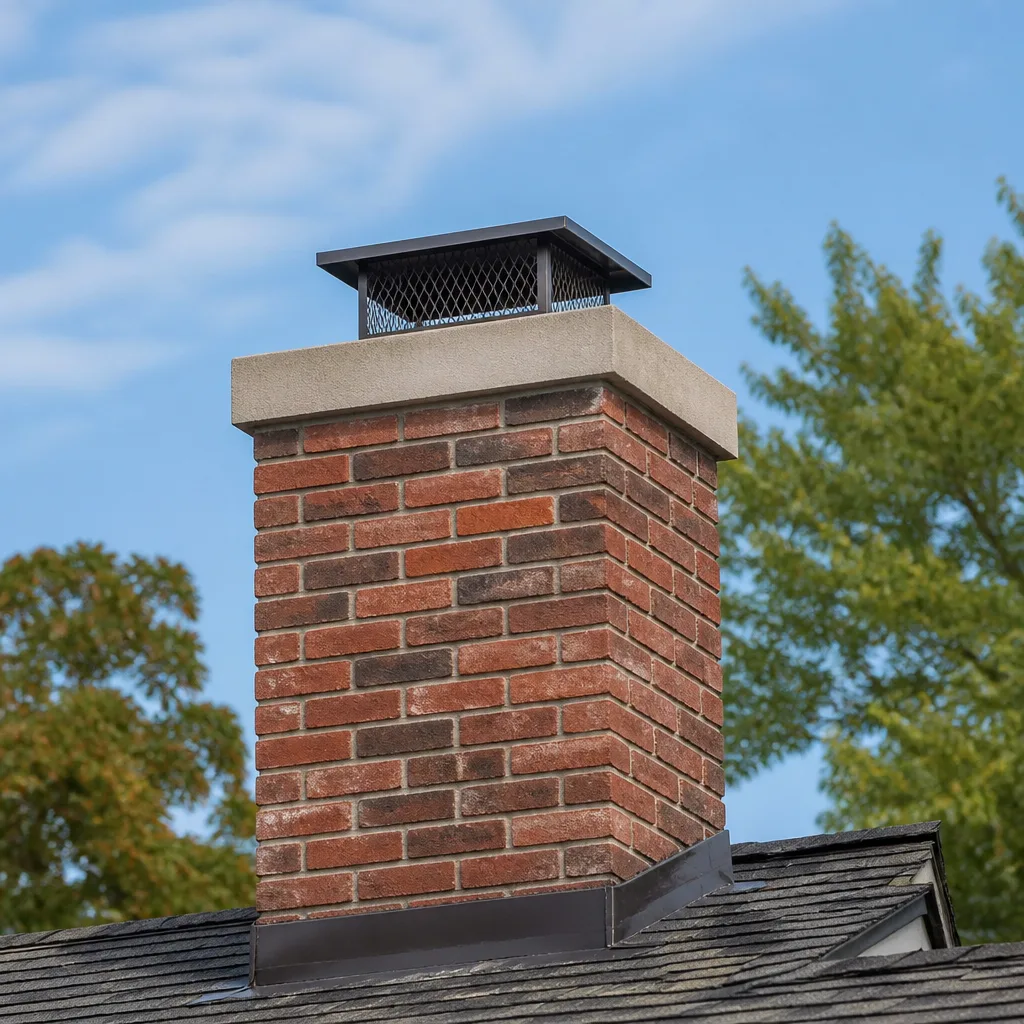 Caps & crowns
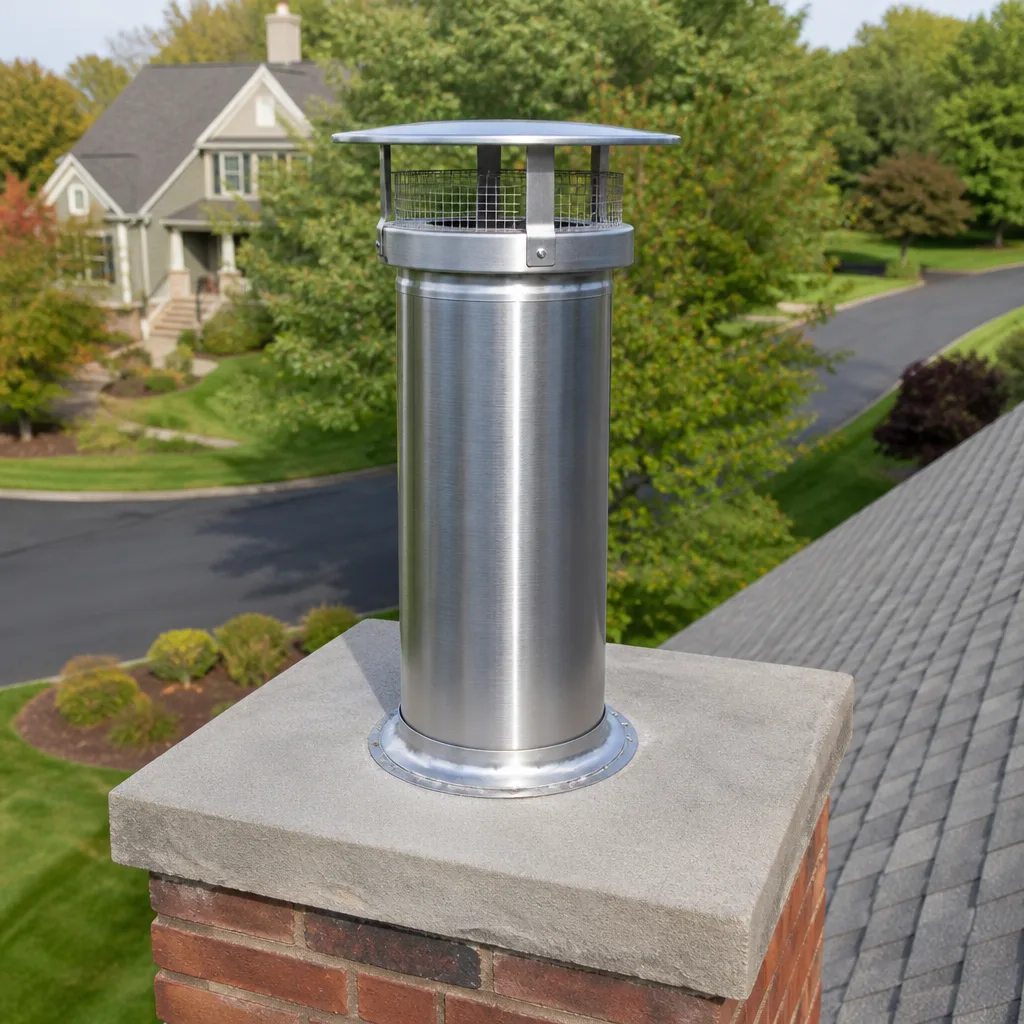 Flue relining
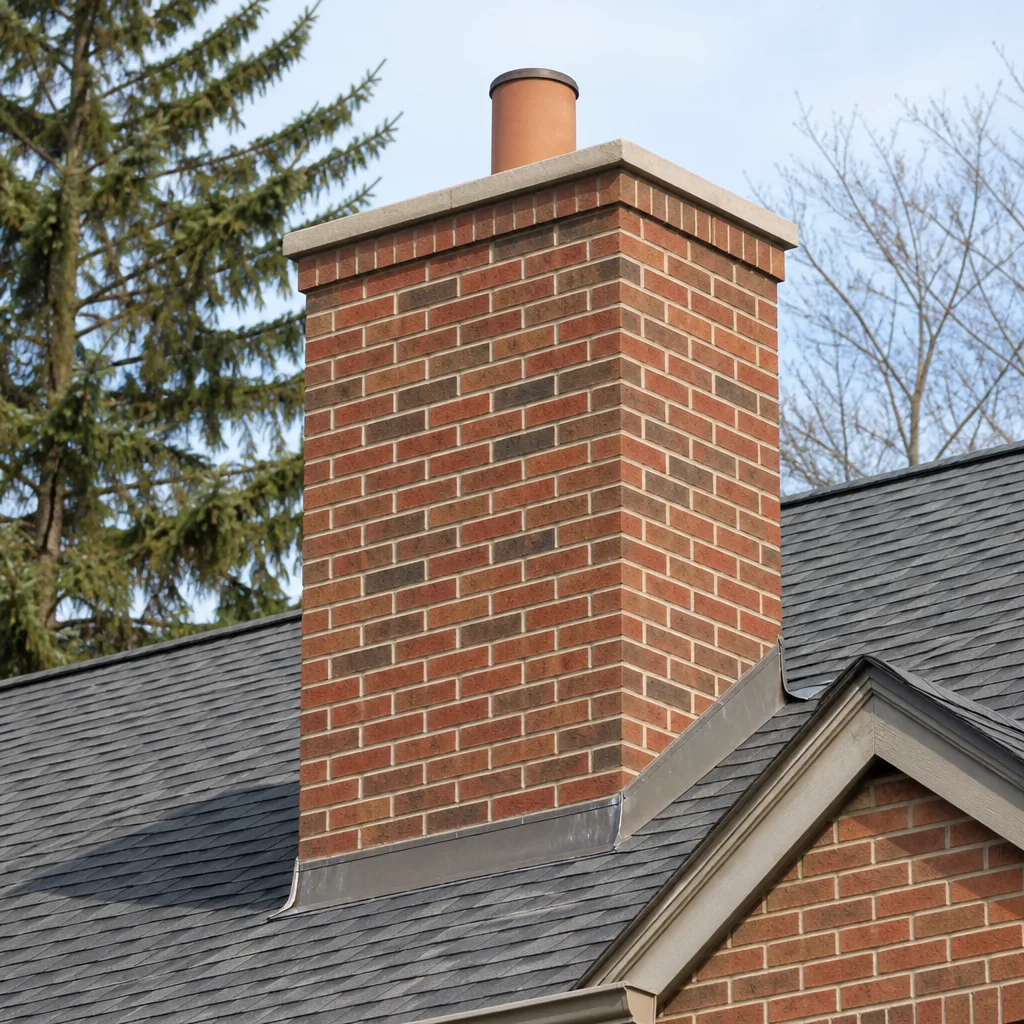 Masonry repair
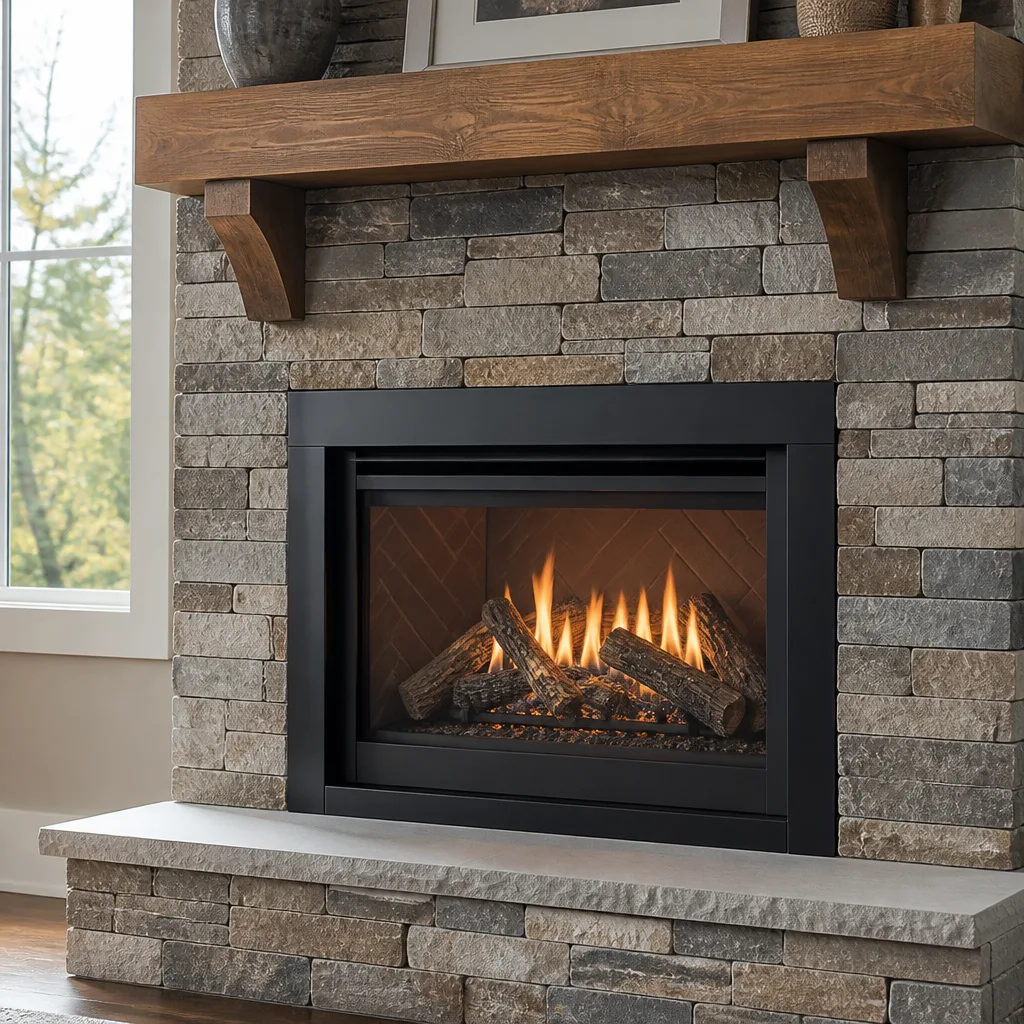 Gas fireplace service
Level 1 sweep and inspection to the NFPA 211 annual standard - flue, crown, cap, and flashing checked and photographed
Chimney sweep logs do not sweep chimneys. They loosen some creosote - which then falls where a brush and vacuum still have to collect it.
Chimney Cleaning Permits, Codes & Inspections in CA: What You Need to Know
California requires a building permit for chimney liner replacement in most jurisdictions, yet the majority of liner jobs completed by discount chimney crews are done without one. That means the homeowner owns an unpermitted structural modification that their insurer can use to deny a fire-related claim. This guide from Ontario Chimney draws the line between what needs a permit and what doesn’t, what inspectors actually look for in Ontario and San Bernardino County, and how to protect yourself from the hidden liability of unpermitted work. For more guides & resources, visit our blog.
Styles & brands we work with
- Sweep & inspection
- Caps & crowns
- Flue relining
- Masonry repair
- Gas fireplace service
Quick Answer
A standard chimney cleaning or sweep does not require a permit anywhere in California because it is classified as maintenance, not construction. However, the moment work crosses into liner replacement, firebox reconstruction, flue resizing, or gas insert installation, a building permit is required in most California jurisdictions including Ontario. The permit triggers an inspection by the local building department, which verifies the work meets California Building Code and NFPA 211 standards.
Table of Contents
- Maintenance vs. Construction: Where California Draws the Line
- What NFPA 211 Requires and How It Interfaces with California Title 24
- How Ontario and San Bernardino County Handle Chimney Permits
- How to Verify Whether Your Contractor Actually Pulled a Permit
- The Inspection Process for Permitted Chimney Work: What Inspectors Check
- How Unpermitted Chimney Work Affects Insurance and Resale in California
- Common Mistakes to Avoid
- When to Call a Professional
- Frequently Asked Questions
- The Bottom Line
Maintenance vs. Construction: Where California Draws the Line
The California Building Code (CBC) distinguishes between maintenance activities and construction or alteration work. Maintenance is defined as work that restores a system to its original condition without changing its design, materials, or configuration. A chimney sweep falls squarely in this category. You’re removing creosote and soot from the existing flue, inspecting the system, and confirming it still functions as originally built. See our Chimney Sweep Maintenance Checklist for Ontario Homeowners for details. No permit needed. No inspection required. No paperwork filed with the city.
The line gets crossed when the work changes what the chimney is or how it functions. Replacing a clay tile liner with a stainless steel liner is an alteration, not maintenance. You’ve changed the material, the thermal characteristics, and the clearance-to-combustibles profile of the system. Rebuilding a firebox changes the structural assembly. Installing a gas insert with a new venting configuration changes how combustion gases are exhausted. Each of these triggers the permit requirement under CBC Section 105.1, which requires a permit for any construction, alteration, or repair that is not explicitly exempted.
Here’s the threshold in practical terms:
- No permit required: chimney sweeping, creosote removal, visual inspection, camera inspection, minor cap replacement, damper repair using same-size components, minor mortar pointing that doesn’t affect structural integrity.
- Permit required in most jurisdictions: flue liner replacement or resurfacing that changes the flue dimensions or material, firebox rebuild, smoke chamber parging that changes the throat dimensions, crown reconstruction, chimney rebuild above the roofline, gas insert installation with new venting, conversion from wood-burning to gas.
- Gray area (check with local building department): major repointing that involves removing and replacing significant mortar joints, partial chimney rebuild that stays below the roofline, damper replacement that requires flue modification.
In Ontario, we’ve seen homeowners get caught at resale because a previous owner replaced a liner and no permit was ever pulled. The new buyer’s inspector flags it, the escrow stalls, and someone has to pay for retroactive permitting or a full re-inspection. It’s avoidable, and it’s one of the reasons we encourage homeowners to ask the permit question before signing any repair contract.
What NFPA 211 Requires and How It Interfaces with California Title 24
NFPA 211 is the National Fire Protection Association standard for chimneys, fireplaces, vents, and solid fuel-burning appliances. California has adopted it by reference into Title 24, Part 9, which is the California Fire Code. That means NFPA 211 is not a suggestion in this state. It’s legally enforceable code.
The most relevant chapter for homeowners is Chapter 14, which establishes the standard of care for inspection and maintenance. NFPA 211 states that chimneys, fireplaces, and vents shall be inspected at least once a year for solid fuel appliances, and cleaned when there is 1/8 inch or more of creosote accumulation. Learn to spot problems early with our Chimney Cleaning Warning Signs: An Ontario Homeowner’s Reference Guide. That’s the technical threshold, and it’s more aggressive than most homeowners realize. A chimney that gets used every weekend during fall and winter can build 1/8 inch of creosote in a single season, especially if the wood isn’t fully seasoned.
What many homeowners don’t know is that NFPA 211 also governs the materials and installation standards for repairs. A liner replacement is not a “just swap it out” job. The standard specifies minimum stainless steel thickness for different fuel types, clearance-to-combustibles requirements, and termination height rules. A liner that is improperly sized for the appliance creates draft problems, and one installed without proper insulation can create a fire hazard even when it looks fine from the outside. Our Chimney Sweep Troubleshooting: Common Problems and How to Fix Them covers how to identify these issues.
For Ontario homeowners, the practical takeaway is this: when the city issues a permit for chimney work, the inspector is checking compliance with both the California Building Code and NFPA 211 as adopted by Title 24. If a contractor tells you a permit isn’t needed for liner replacement, they’re contradicting the code that the city of Ontario enforces. We use chimney repair in Ontario work that holds up to inspection because it’s built to the standard the first time, not retrofitted after an inspector flags it.
How Ontario and San Bernardino County Handle Chimney Permits
The city of Ontario operates its own building department that issues permits for work within city limits. San Bernardino County handles permitting for unincorporated areas and some smaller communities nearby. Both follow the California Building Code, but each has its own fee schedule and administrative process. Ontario uses an online permitting portal where a contractor or homeowner can apply, upload drawings or specifications, and pay fees electronically. The process typically takes two to four weeks for a straightforward chimney liner replacement, depending on workload.
A typical residential chimney liner permit in Ontario costs between $200 and $500 in fees, depending on the valuation of the work. The permit valuation is usually based on the contract price. If you’re having a liner replaced at $3,500, the permit fee might fall in the $250 range. That’s not a tax you’re paying for nothing. It buys you an independent inspection by someone who has no financial interest in the outcome, which is genuinely valuable when you’re spending thousands on work you can’t easily verify yourself.
San Bernardino County’s process is similar but centralized at the county level. If your property is in the county’s jurisdiction rather than the city’s, you’ll work with San Bernardino County Building and Safety. They require the same documentation: a permit application, the contractor’s license information, a description of work, and in some cases a simple plan or specification sheet showing what materials will be used.
One thing we hear from homeowners regularly is that their contractor told them the permit would slow the job down by weeks. It’s true that pulling a permit adds time to the front end of the project. It is not true that this makes the job unobtainable. A contractor who does permitted chimney work in Ontario knows the process and files the application as a matter of standard practice. A contractor who consistently avoids permits is likely avoiding the inspection for reasons that should concern you.
How to Verify Whether Your Contractor Actually Pulled a Permit
Before you sign a contract for any chimney work that might require a permit, ask one direct question: “Will this job require a permit, and will you pull it?” The answer tells you a lot. A legitimate contractor will say yes for liner replacement, firebox work, or insert installation, and will explain the timeline and cost impact. A contractor who hedges, says “we can do it either way,” or suggests you skip the permit to save money is telling you they’re willing to cut corners.
Here’s a step-by-step process to verify a permit has actually been pulled, not just promised:
- Ask for the permit number before work begins. The contractor should have submitted the application and received a number from the city of Ontario or San Bernardino County. If they can’t produce one, the application hasn’t been filed.
- Verify online. Ontario’s building department maintains an online portal where you can search by address or permit number. San Bernardino County has a similar system. If the permit exists, you’ll see it.
- Check the permit details. The permit should describe the scope of work accurately. A permit for “miscellaneous repair” when you’re getting a liner replaced is a red flag.
- Confirm the inspection is scheduled. A permit without a final inspection is incomplete. Ask your contractor when the inspector will be coming and make sure you’re present if you can be.
- Get a copy of the final inspection sign-off. This is the document you’ll want in your files if you ever sell the home or file an insurance claim. It proves the work was done to code.
This process isn’t paranoia. It’s the same due diligence you’d do before buying a car that needs financing. You’d verify the title is clean, and you should verify your chimney work is permitted. Chimney sweep in Ontario work doesn’t require a permit, so if that’s all you’re having done, there’s nothing to check. The moment it’s more than that, the paper trail matters.
The Inspection Process for Permitted Chimney Work: What Inspectors Check
When a permit is pulled for chimney work in Ontario or San Bernardino County, the building inspector will make at least one site visit. For a liner replacement, the inspection typically happens after the old liner is removed but before the new one is installed, and then again after installation is complete. Some jurisdictions combine these into a single inspection if the contractor provides photo documentation of the intermediate stage.
Here’s what an inspector is actually looking for:
- Flue sizing matches the appliance. A liner that’s too large for a gas insert creates condensation problems. One that’s too small for a wood stove creates draft problems and a fire hazard. The inspector checks the manufacturer’s specifications against the installed liner.
- Material thickness meets code. NFPA 211 specifies minimum thickness requirements for stainless steel liners based on fuel type. The inspector verifies the liner is UL-listed and the proper gauge for the application.
- Clearances to combustibles are maintained. This is the single most important safety check. The inspector verifies that the liner has proper clearance from framing, insulation, and other combustible materials throughout the flue run. This is why we use Ontario Chimney home installation practices that measure clearance at every point along the flue, not just at the top and bottom.
- Termination height is correct. The liner must extend above the chimney crown by a specified distance based on roof pitch and surrounding obstructions. Too short and you get draft problems and exhaust intrusion.
- The connection is properly sealed. The inspector checks that the liner connects correctly to the appliance and to the termination cap, with no gaps where combustion gases could escape into the home.
- Fire-stopping is in place where required. When a liner passes through floors or ceilings, fire-stopping material must seal the annular space. Missing fire-stopping is a common reason inspections fail.
If the inspector finds issues, the contractor gets a correction notice and a window to fix them, then schedules a re-inspection. This is the system working as intended. It’s far better to have an inspector catch a clearance problem before the first fire of the season than to discover it when the wall gets hot.
How Unpermitted Chimney Work Affects Insurance and Resale in California
Insurance companies in California are increasingly rigorous about unpermitted work. If you have a fire that starts in or around a fireplace, the adjuster will look for the paper trail. A liner replacement that was done without a permit is an unpermitted modification. Even if the work itself didn’t cause the fire, the insurer can argue that the unpermitted alteration increased the risk profile of the home and use that as grounds to reduce or deny the claim.
This isn’t theoretical. We’ve talked to homeowners in Ontario who faced exactly this situation after chimney fires. The insurance company asked for documentation of the last liner replacement. When none existed because no permit was pulled, the claim got contested. The homeowner had to prove the fire wasn’t caused by the work that had no inspection record. That’s a difficult position to defend.
At resale, California law requires sellers to disclose known material facts about the property. If you know your chimney work was done without a permit, you have a legal duty to disclose it. If you didn’t know because the previous owner didn’t disclose it to you, that’s a chain-of-title problem that can still cloud the transaction. Buyers’ inspectors look for signs of recent chimney work and check permit records. When they find evidence of work with no corresponding permit, the deal often stalls while the parties negotiate who pays for retroactive inspection and potential corrections.
For landlords and property managers, the stakes are even higher. Multiple units mean multiple chimneys, and a fire in one unit from an unpermitted liner installation can create liability across the property. Documented, permitted work is an asset. Unpermitted work is a liability that compounds over time. Dryer vent cleaning in Ontario is maintenance and doesn’t require a permit, but the same documentation discipline applies: keep records of every service visit so you can demonstrate a history of care if you ever need to.
Common Mistakes to Avoid
- Assuming all chimney work is the same. A sweep and a liner replacement are completely different under the code. Assuming the permit rules for one apply to the other is how homeowners end up with unpermitted structural work. Always ask specifically about the work being done.
- Taking the contractor’s word without verification. Saying “we pulled the permit” is not the same as showing you the permit number. Verify online in Ontario or San Bernardino County’s portal. It takes five minutes and eliminates the doubt.
- Choosing the cheapest bid without asking why it’s cheaper. Unpermitted work is cheaper because it skips permit fees, inspection scheduling, and code-compliant materials. That savings transfers risk directly to you, and it often resurfaces as a much larger cost at resale or claim time.
- Waiting until the chimney fails completely. Annual inspection catches problems when they’re small. A cracked flue tile that’s caught in October is a repair. The same crack ignored until March can become a rebuild plus a liner replacement, and the cost difference is substantial.
- Failing to keep inspection and cleaning records. Documentation is your defense if anything goes wrong. Keep every invoice, every inspection report, and every permit document in a file. When you sell the home or file a claim, that file is worth money.
- Ignoring creosote buildup because the chimney “looks fine” from outside. Creosote forms where you can’t see it without a camera inspection. The amount that’s visible at the top of the flue tells you almost nothing about what’s built up in the throat and smoke chamber.
When to Call a Professional
You should call a professional for any of these specific situations: you’ve never had the chimney inspected and don’t know its history, you’re buying a home with a fireplace and want a pre-purchase evaluation, you’ve noticed a smoky smell in the house when the fireplace isn’t in use, you see flaking tiles or pieces of masonry in the firebox, your chimney has visible cracks in the exterior masonry, or you’re planning any work that might require a permit and want a straight answer about what’s needed before you commit.
If you’re in Ontario or the surrounding area, Ontario Chimney offers free estimates. Call (833) 467-7685 and we’ll tell you what we found, show you the evidence, and give you options.
Frequently Asked Questions
No. A standard chimney cleaning is classified as maintenance and does not require a permit anywhere in California, including Ontario. Cleaning removes creosote and soot without changing the chimney’s structure or materials. However, if your chimney professional finds damage during the cleaning that requires repair, that repair may need a permit depending on its scope.
Yes. Liner replacement is an alteration to the chimney system, not maintenance, and requires a building permit through the city of Ontario. The permit triggers an inspection that verifies the new liner meets California Building Code and NFPA 211 standards for material, sizing, and clearances. Call (833) 467-7685 if you want a straight answer about your specific chimney’s condition before you decide on any work.
Start by searching online permit records through the city of Ontario or San Bernardino County portals, depending on your jurisdiction. Search by property address. If you don’t find records and you have reason to believe chimney work was done, a licensed chimney professional can evaluate the work and tell you whether it was likely done with or without permits based on materials and installation quality. At that point, consult a real estate attorney about disclosure obligations.
It’s possible, and it happens in California. Insurance adjusters look for permit history after fire claims involving fireplaces or chimneys. If they find recent work with no permit and no inspection record, they can argue the unpermitted alteration increased the home’s risk. You don’t want to test this. Documented, permitted work protects you.
A chimney inspection is a professional evaluation of your system’s condition and safety, typically done by a chimney sweep or repair company. It doesn’t carry the force of law. A permit inspection is performed by a city or county building inspector after licensed work, and it determines whether the work meets code. Both are valuable, but they serve different purposes. A permit inspection is the one that matters for insurance and resale documentation.
Residential chimney liner permits in Ontario typically cost between $200 and $500 depending on the project valuation. That fee covers the administrative processing and the inspection. When weighed against the potential cost of an unpermitted installation coming to light at resale or in an insurance claim, the permit fee is inexpensive protection. Call (833) 467-7685 for a free estimate that includes honest guidance on whether your specific project needs a permit and what it will cost.
The Bottom Line
The permit question comes down to one distinction: is the work maintenance or construction? Sweeping, cleaning, and inspection are maintenance, and no permit is needed. Liner replacement, firebox work, and insert installation are construction, and a permit is required in Ontario and most of California. Skipping the permit saves a little money upfront and creates a liability that can surface at the worst possible moment, whether that’s an insurance claim or a resale transaction. Pull the permit, keep the records, and get the work inspected. It’s the difference between a chimney you know is safe and one you’re hoping is safe.
Written by the team at Ontario Chimney, serving Ontario since 2014.
See the difference
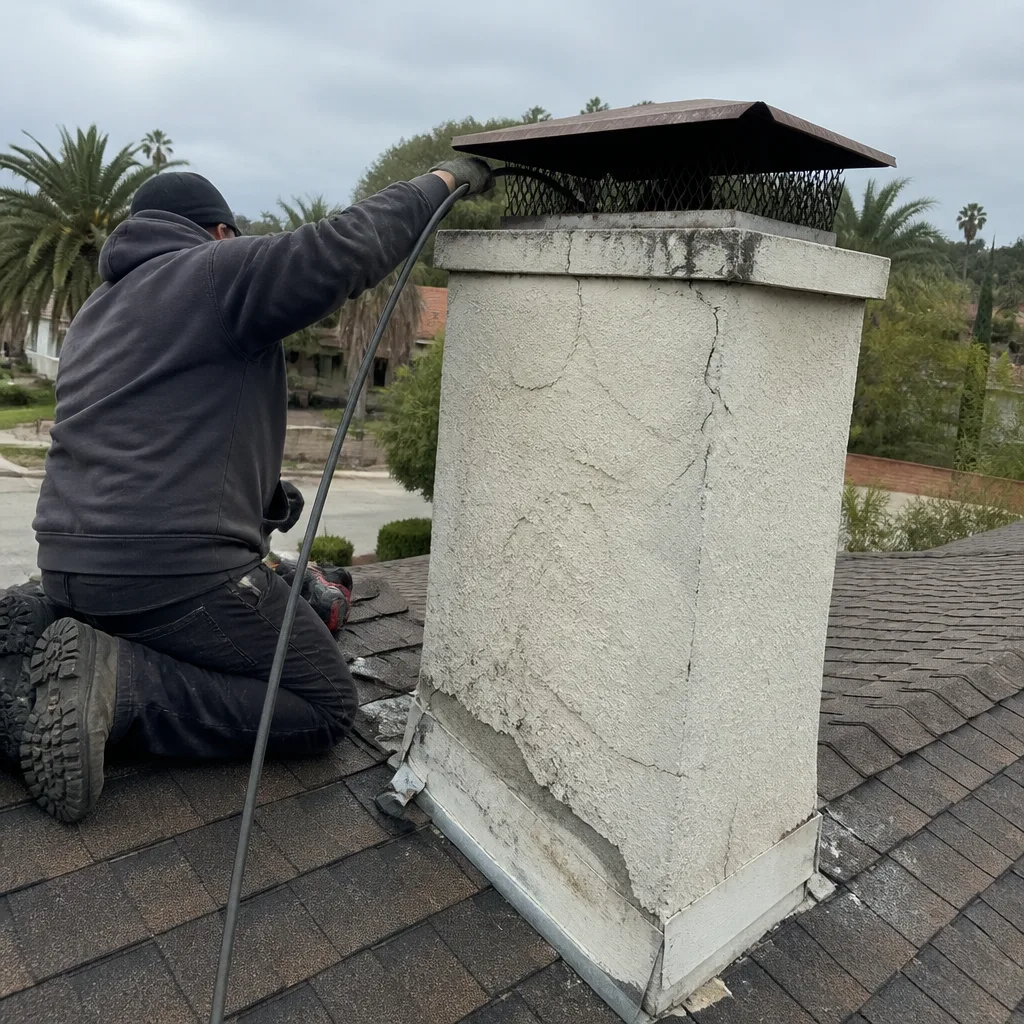
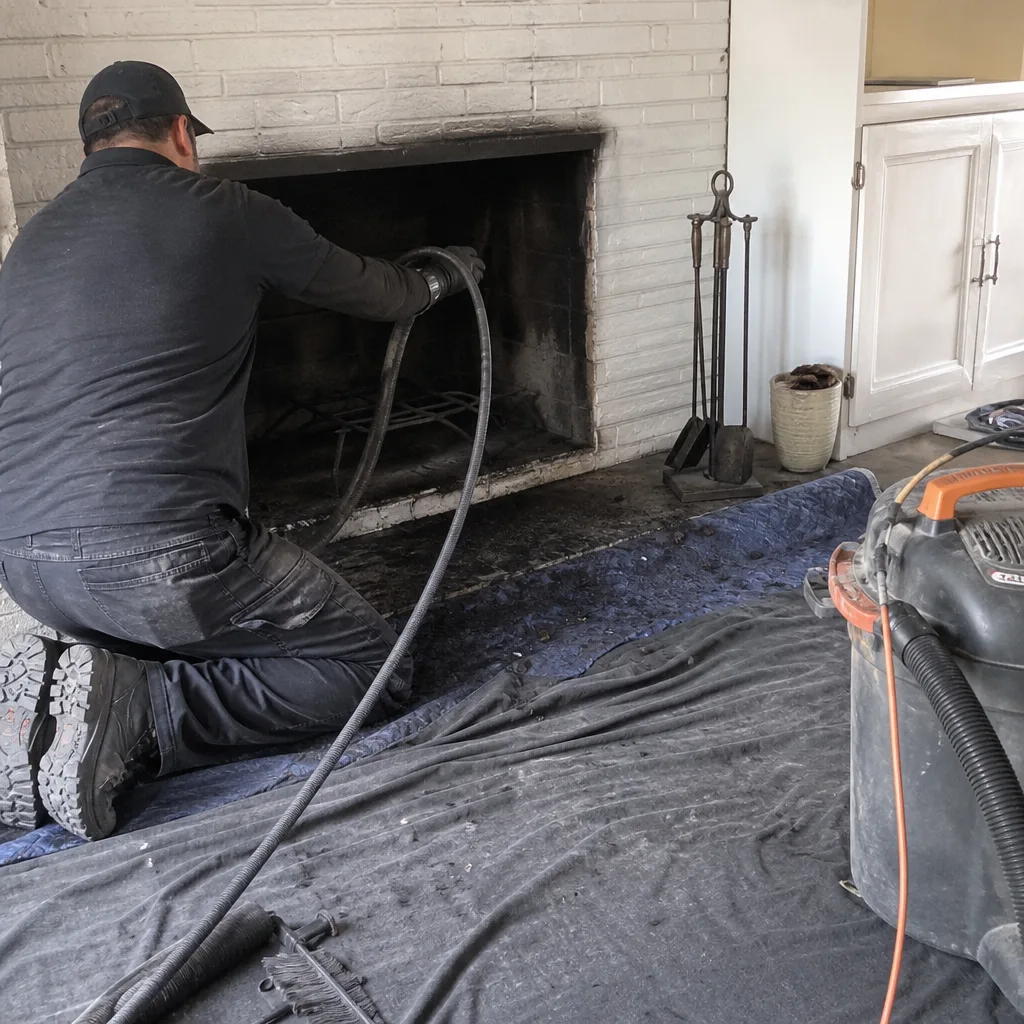 Before
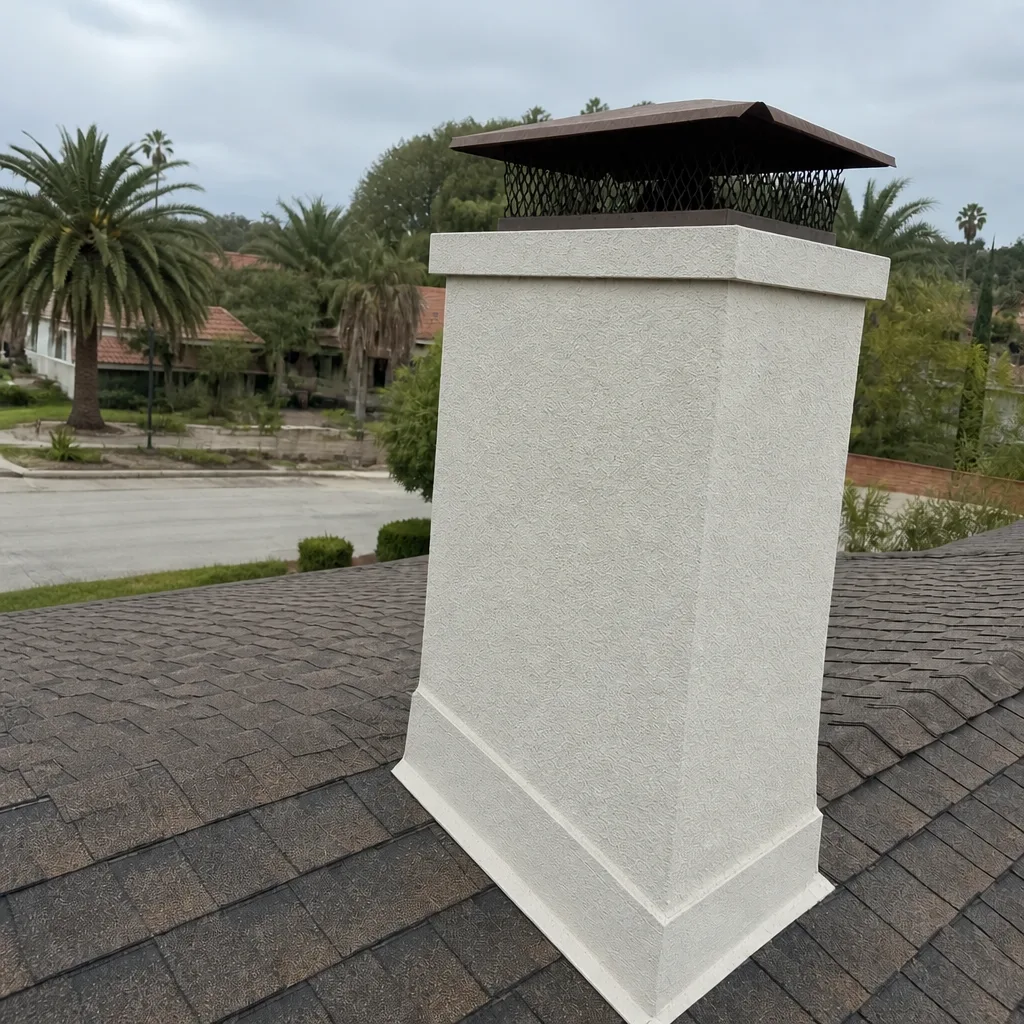
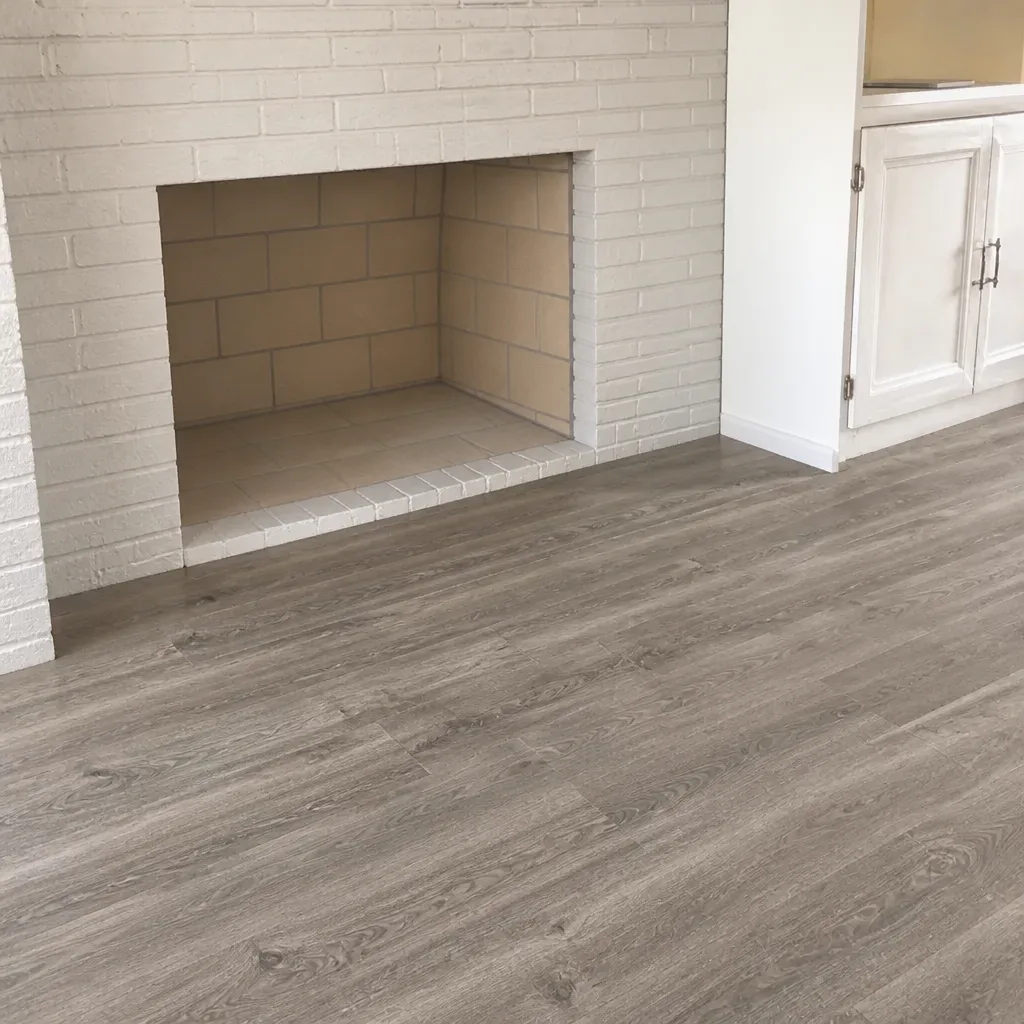 After
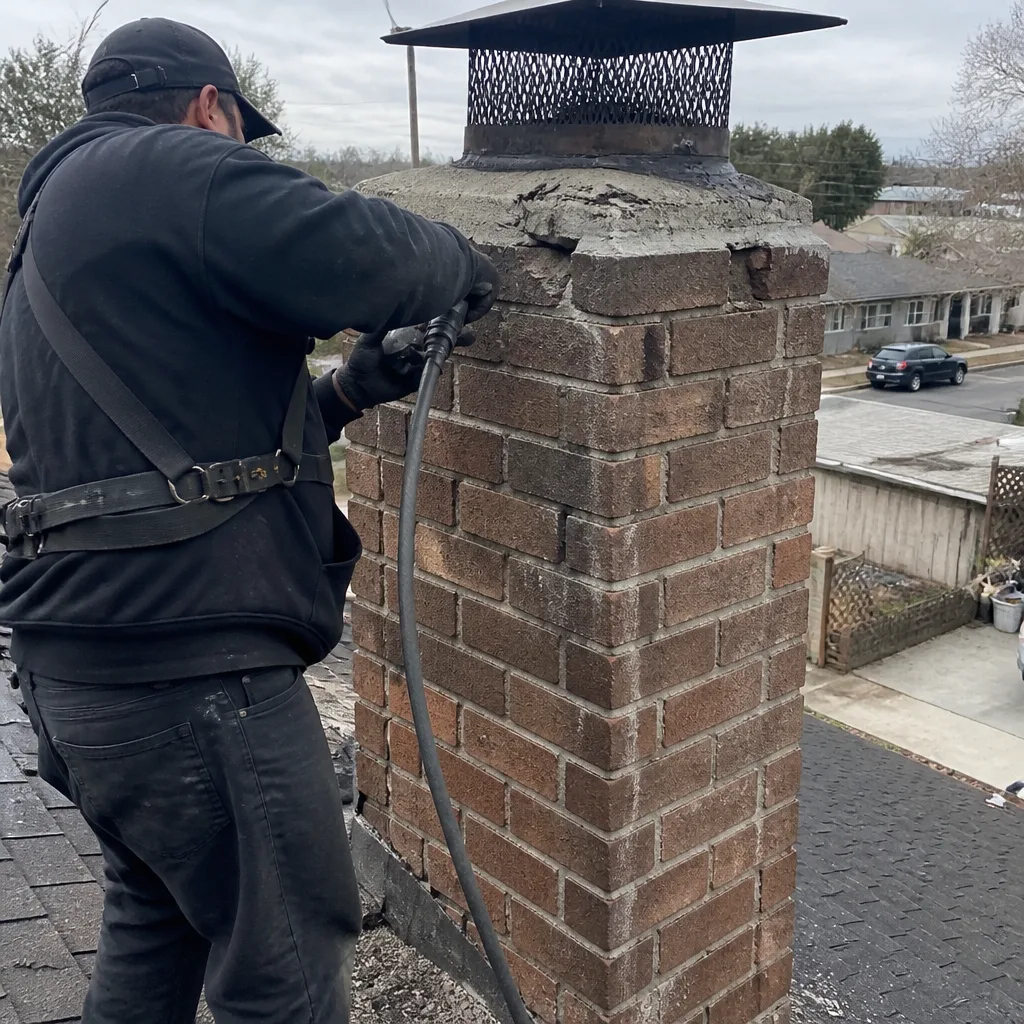 Before
 After
 Before
 After